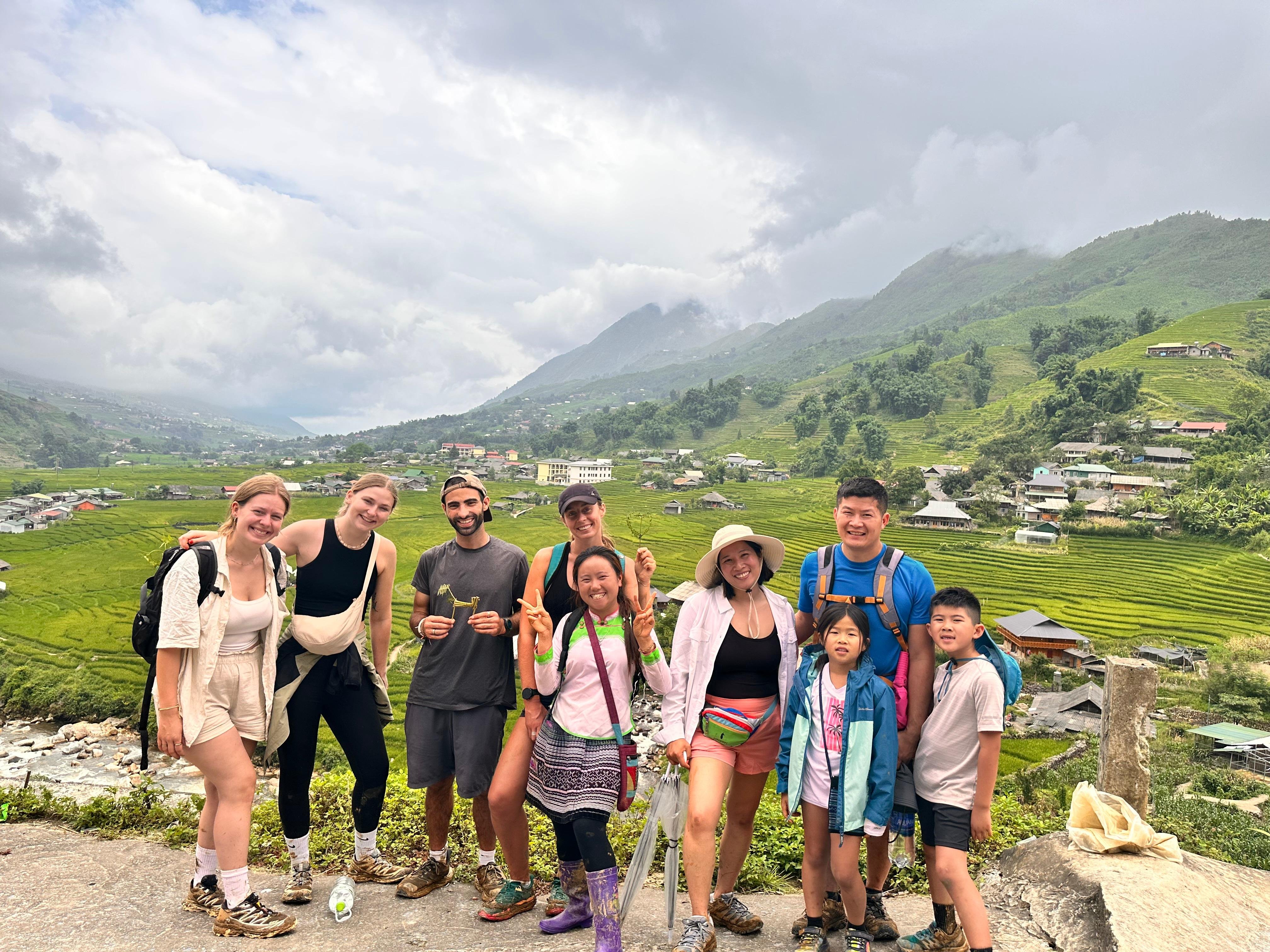
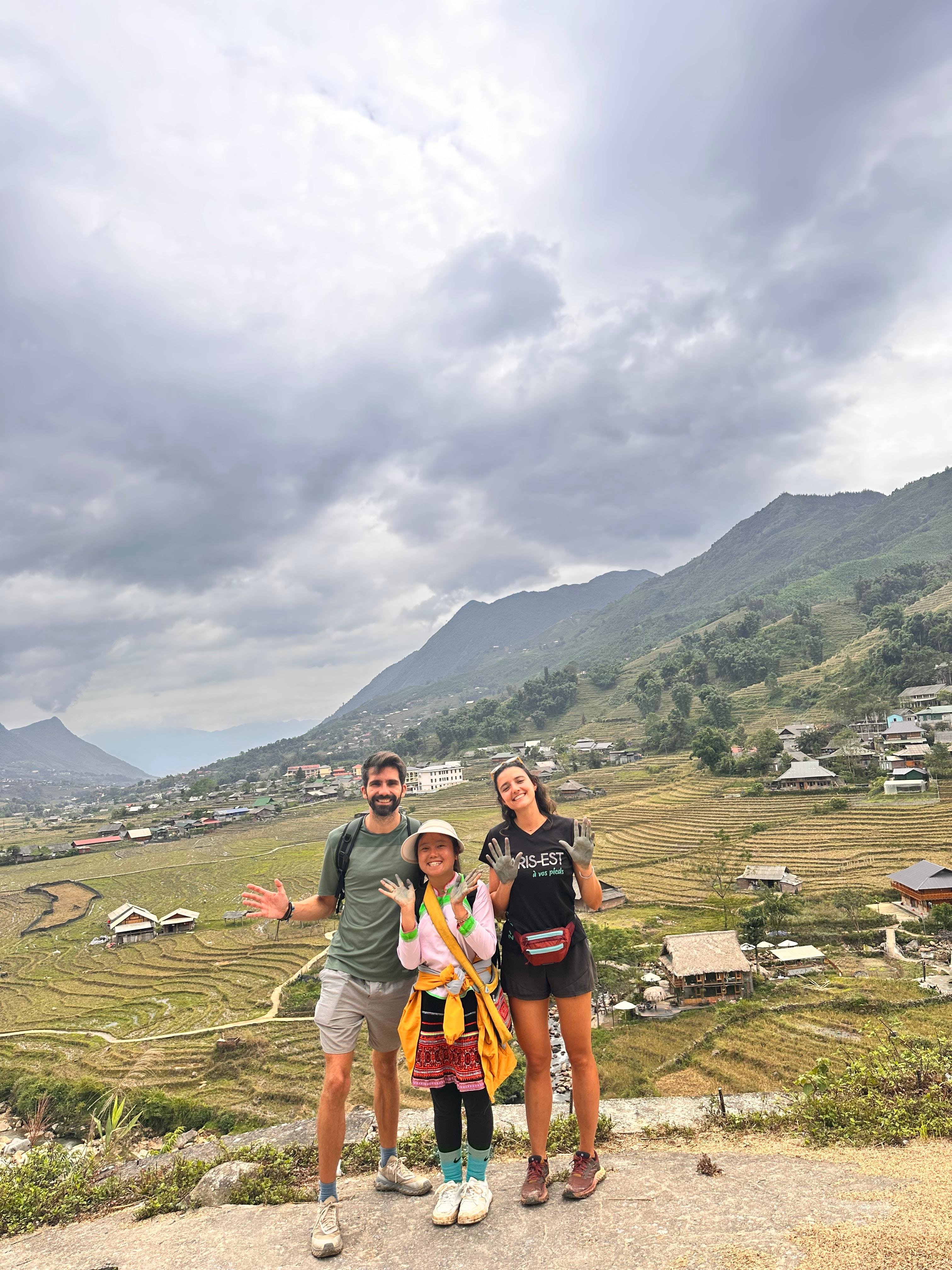
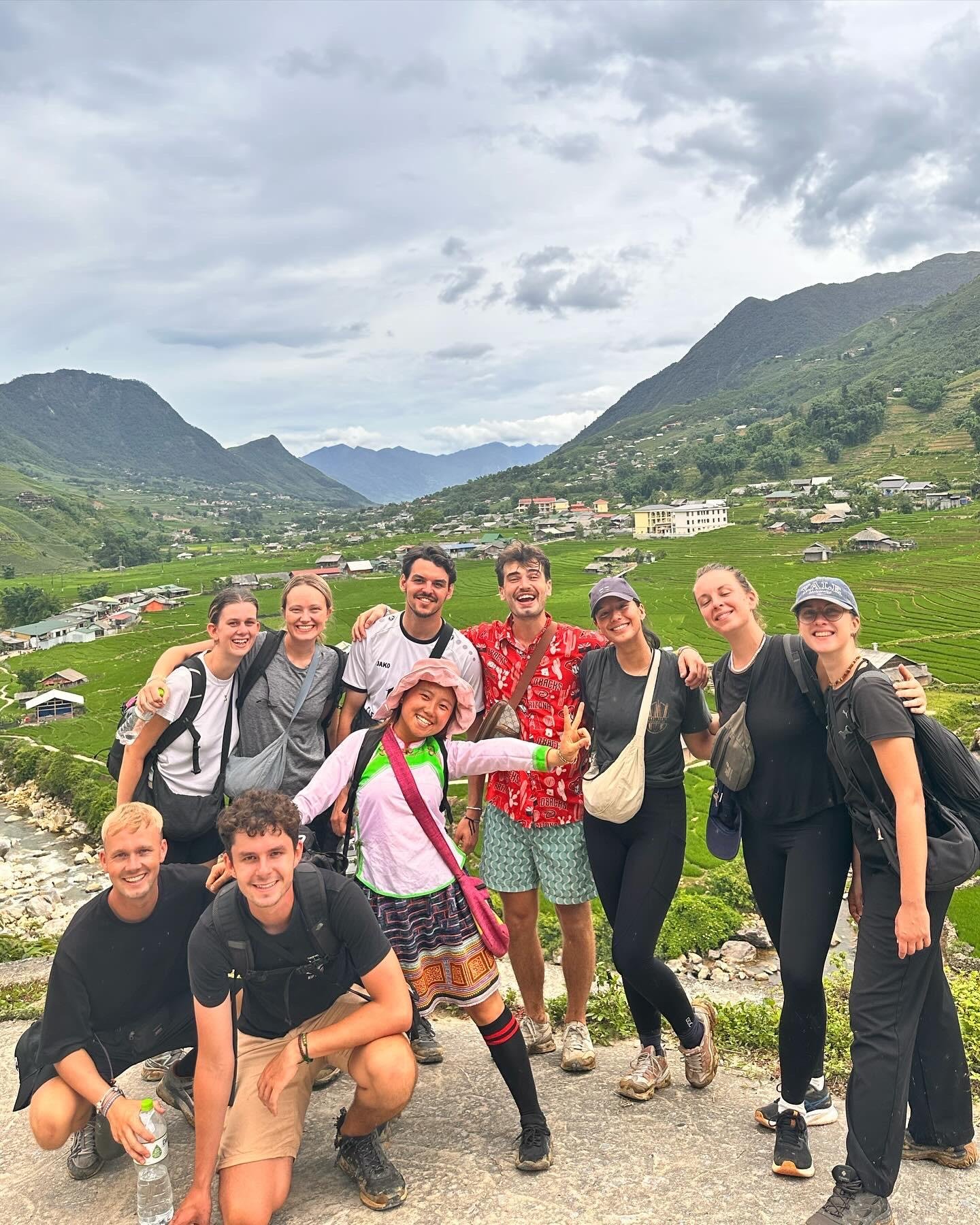
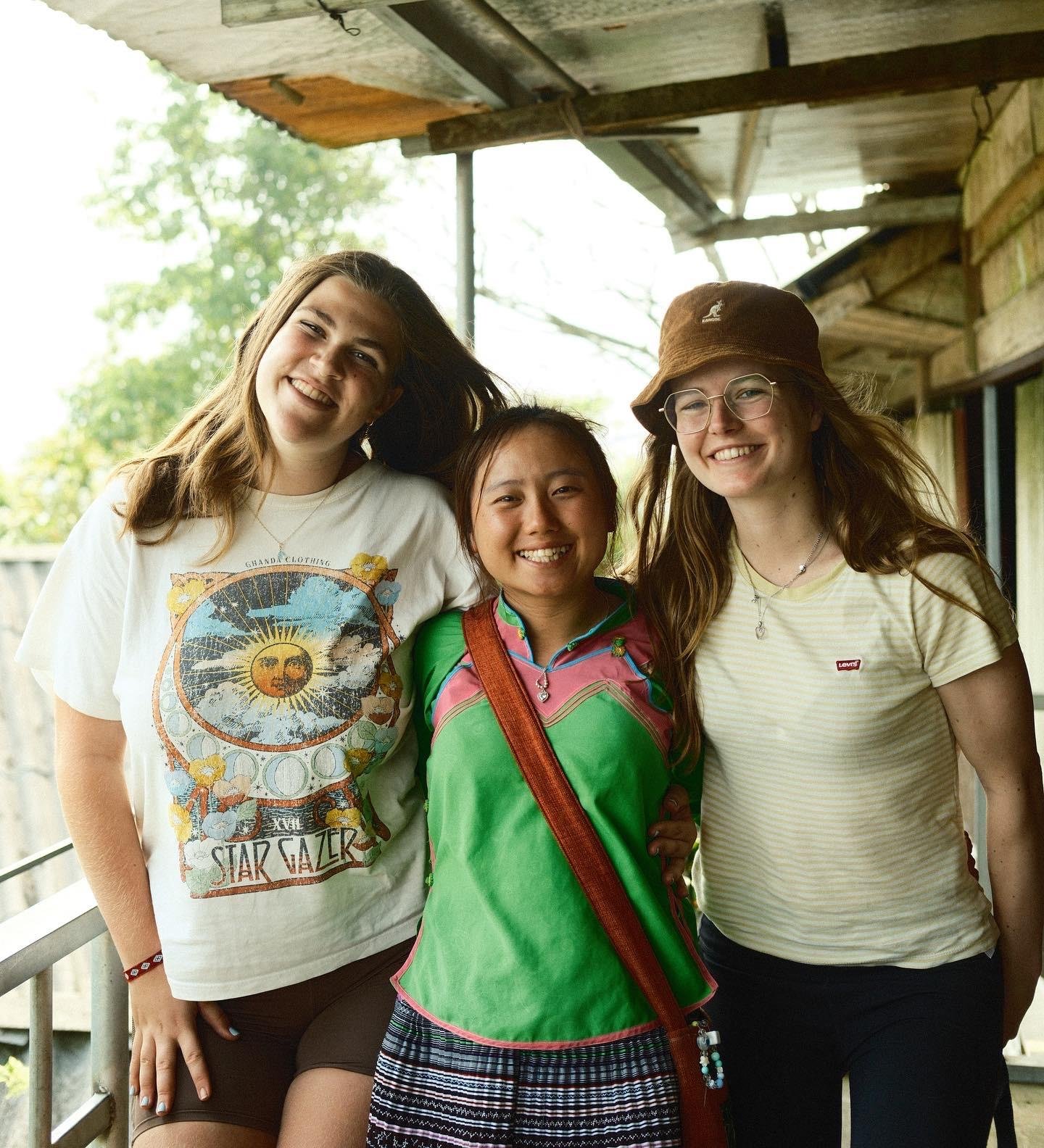
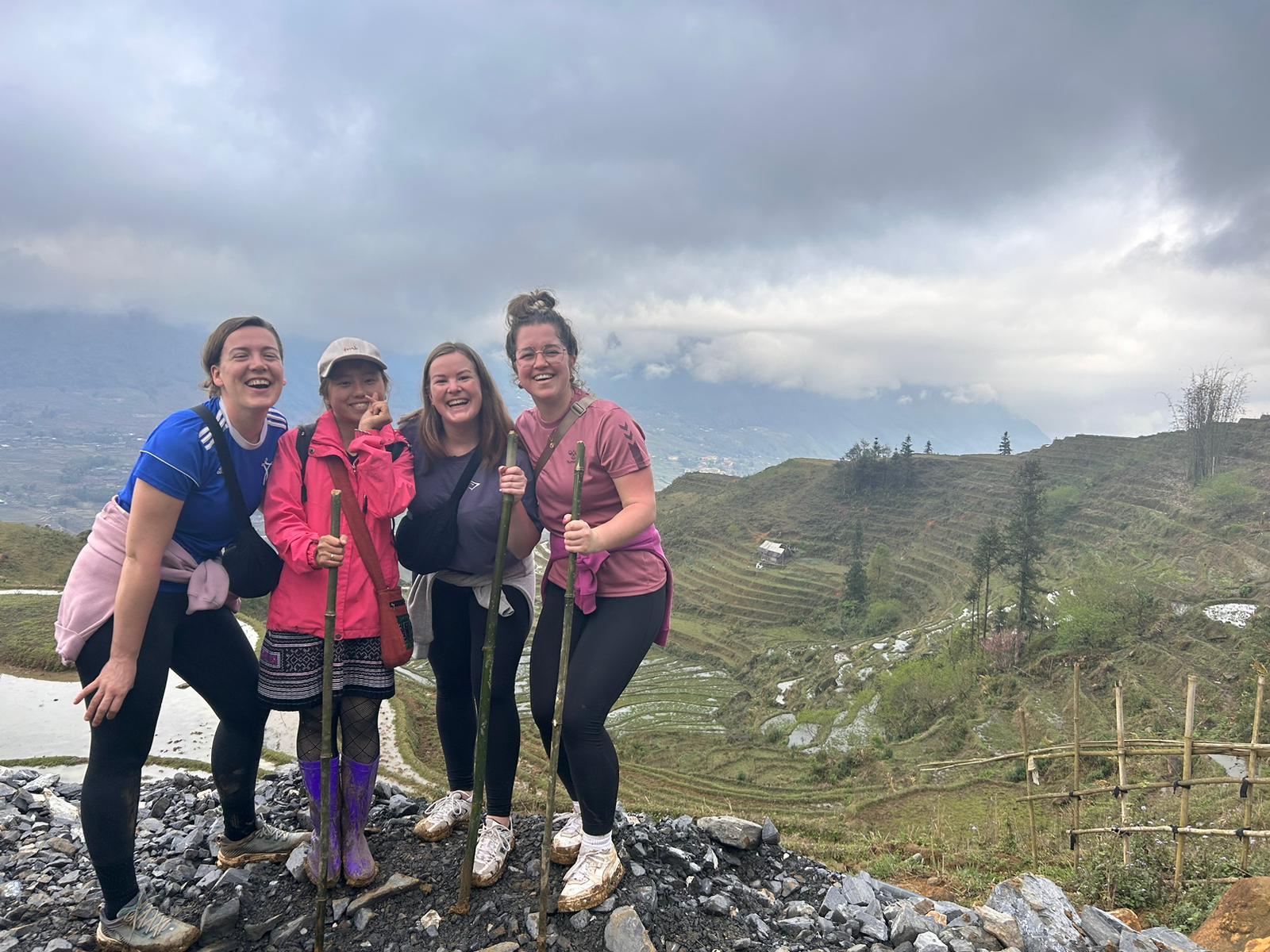
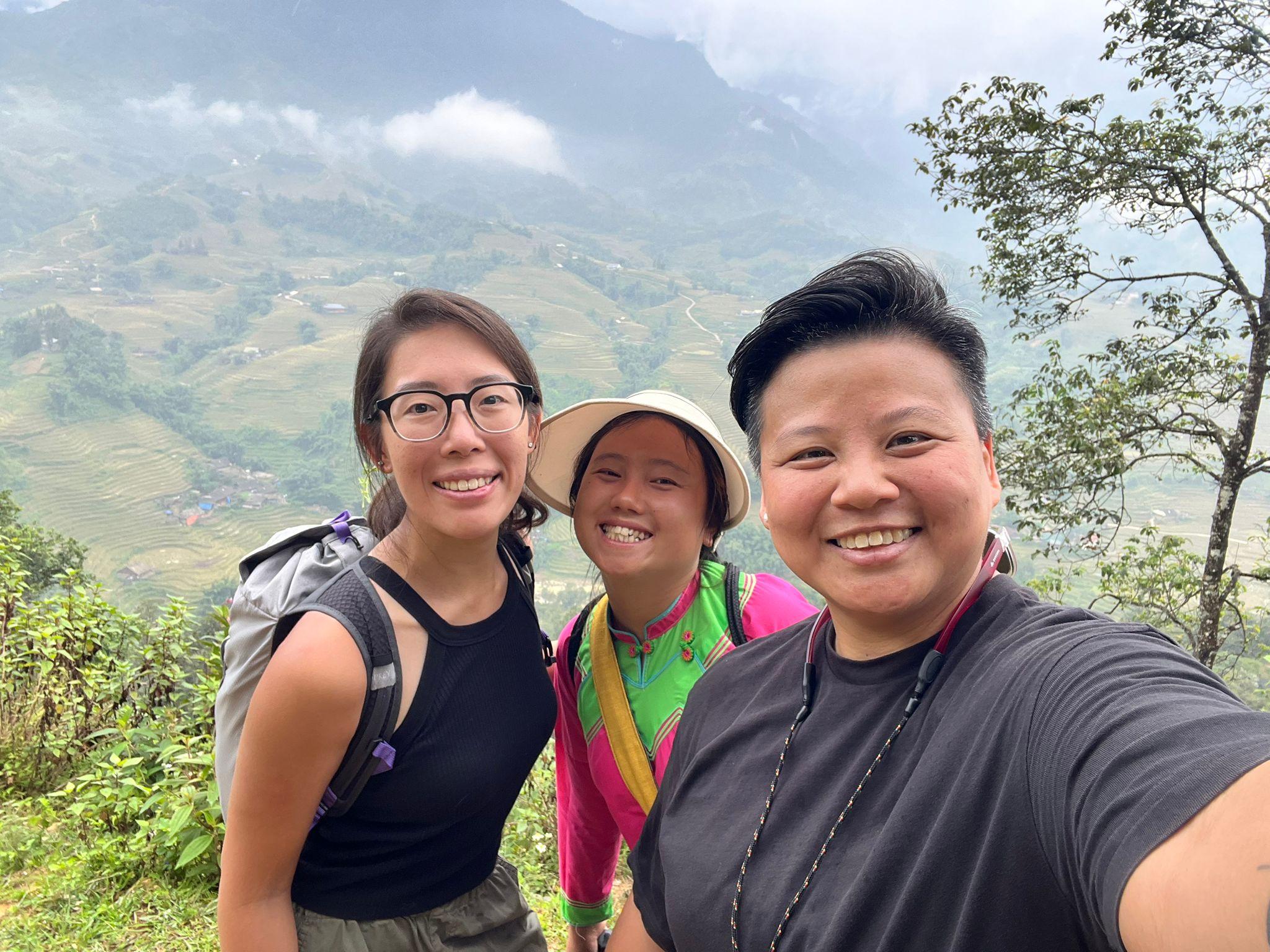
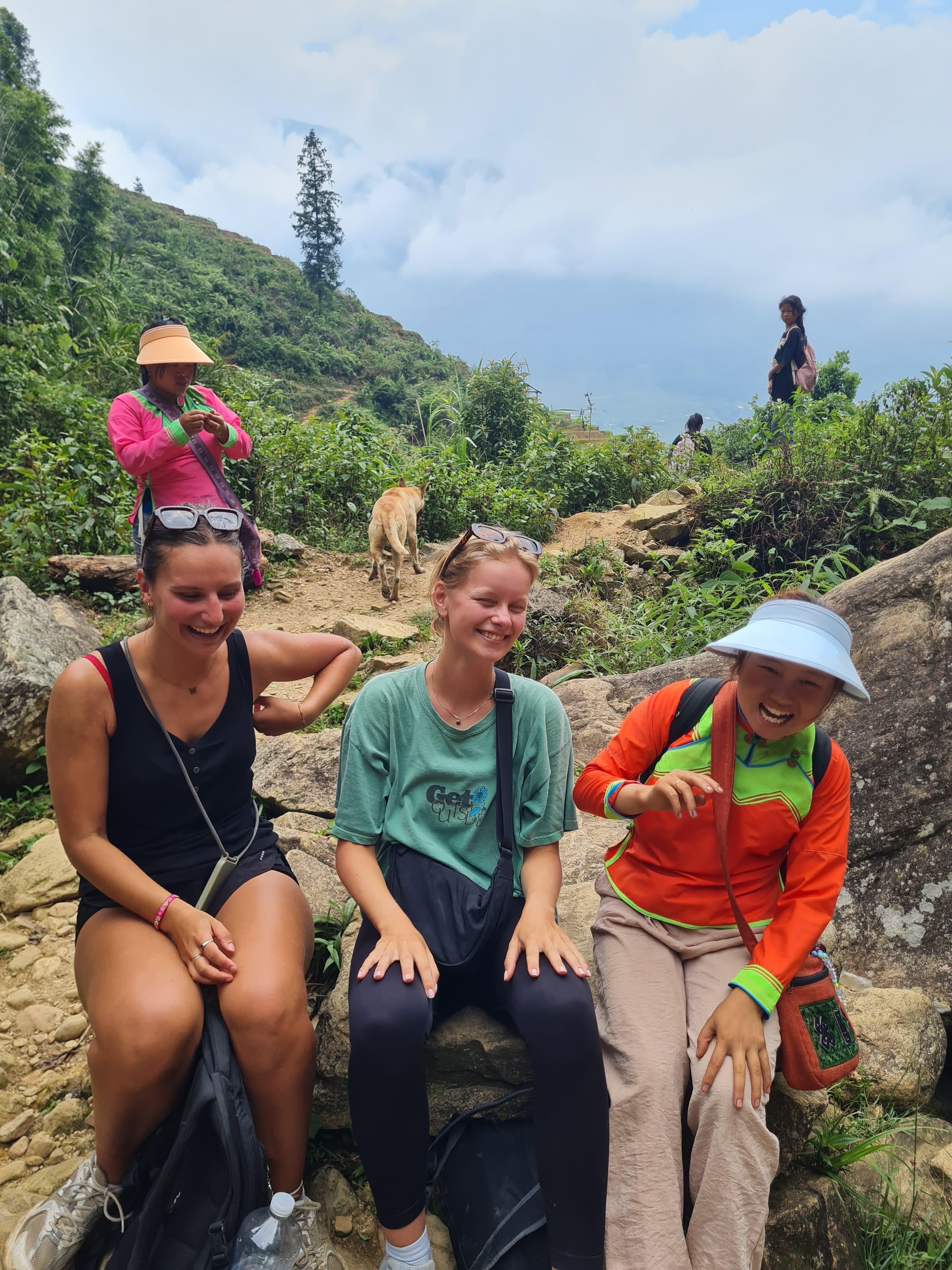
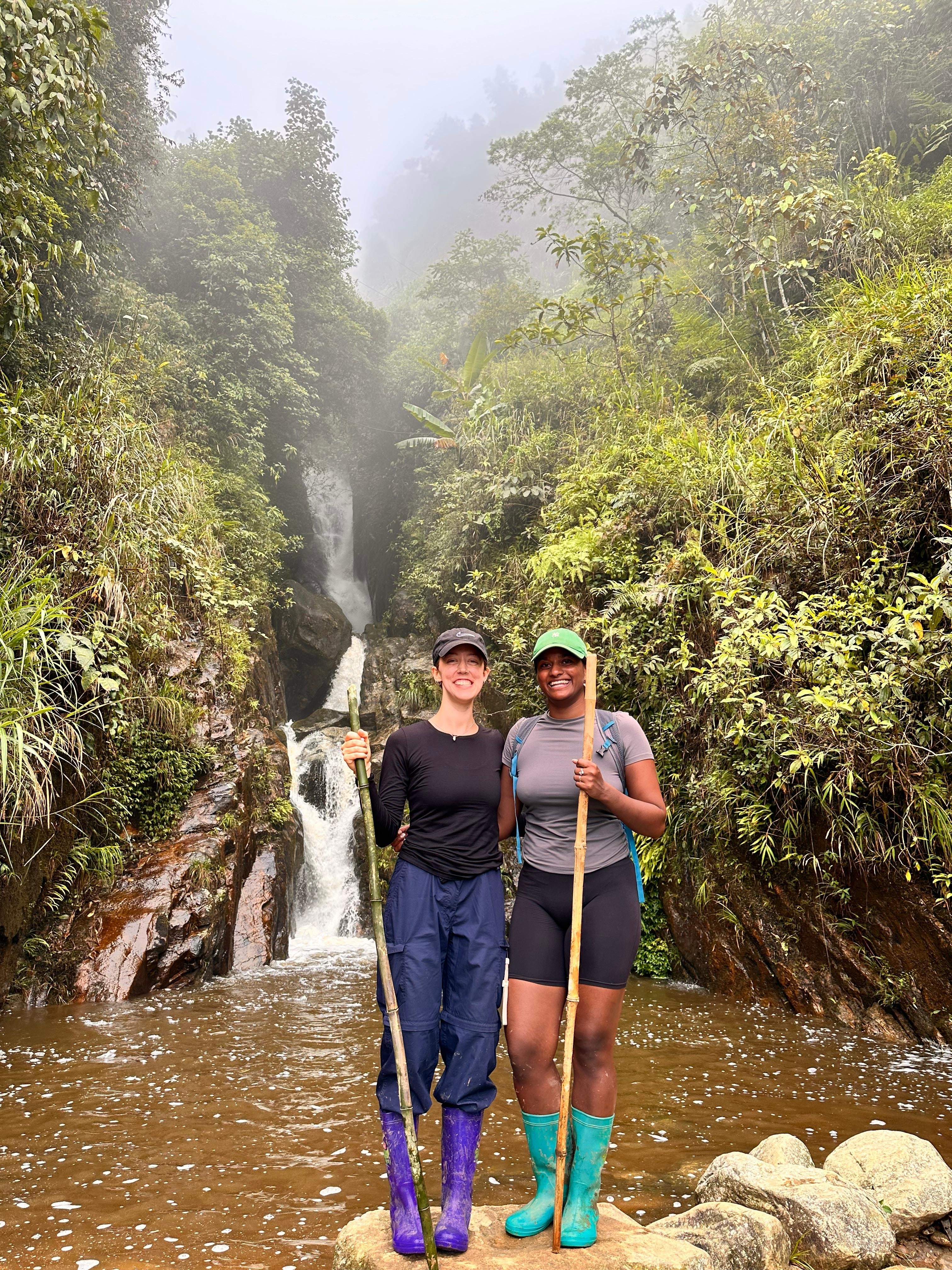
"This was an amazing trek! our guide Cha Cha was so much fun to be around and also knew so much about the villages and sapa. Cha Cha catered the tour to match what we wanted to see and made the walk “harder” or “easier” depending on how we felt. We had the best time! the trek was definitely challenging but so rewarding and worth every minute."
Muong Hoa Valley · Sa Pa · Northern Vietnam
Sapa 2-Day Tour: Muong Hoa Valley Trek with a Village Homestay
A guided two-day, one-night trek through the Muong Hoa Valley — walk between terraced rice fields and ethnic-minority villages with a local guide, then spend the night in a family homestay.
From
$45
per person
Free cancellation
- 4.9 / 5 1096+ Reviews
- 2 days Duration
- Muong Hoa Valley Trek
- Homestay Village Family Stay
- Free Cancellation
The Experience
What Makes This Sapa 2-Day Trek Special
Everything that makes the Muong Hoa Valley trek worth the two days on the trail.
Highlights
- Explore stunning rice terraces, bamboo forests, remote mountain villages in Sapa
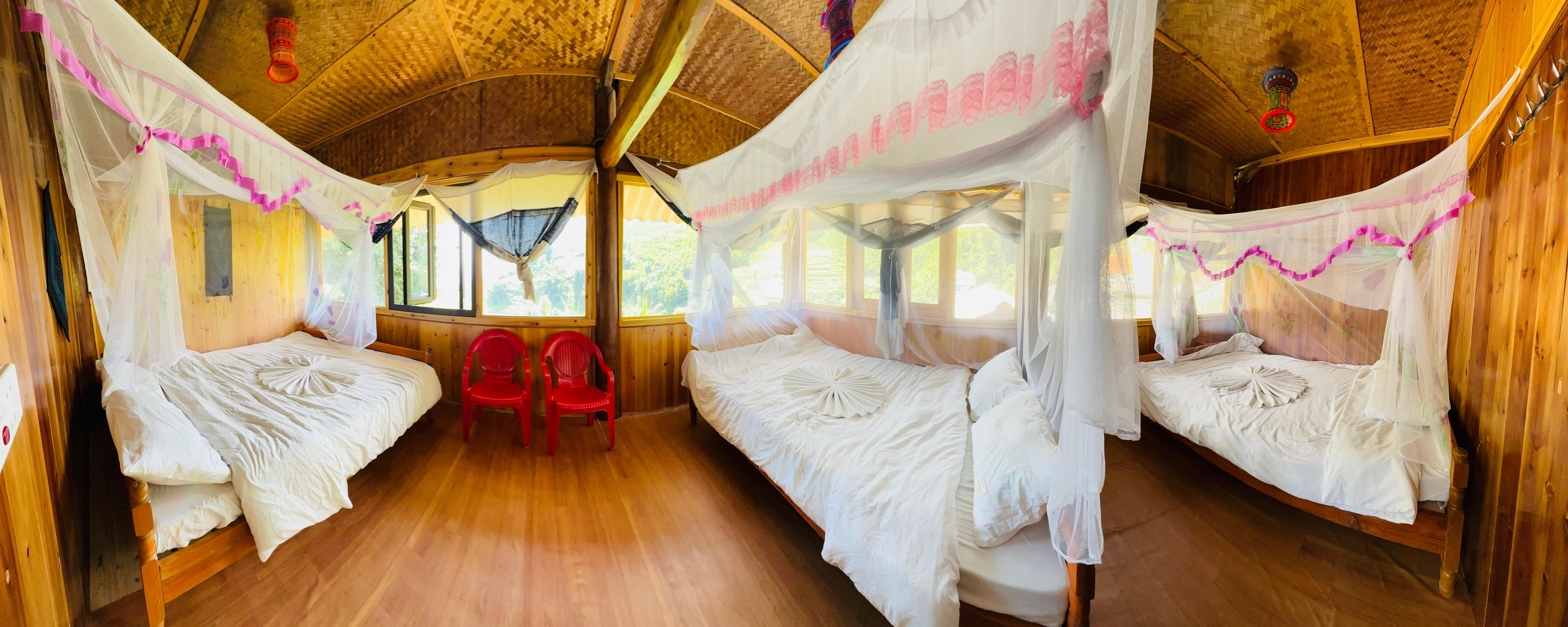
- Experience an authentic homestay stay, with options shared private room bungalow
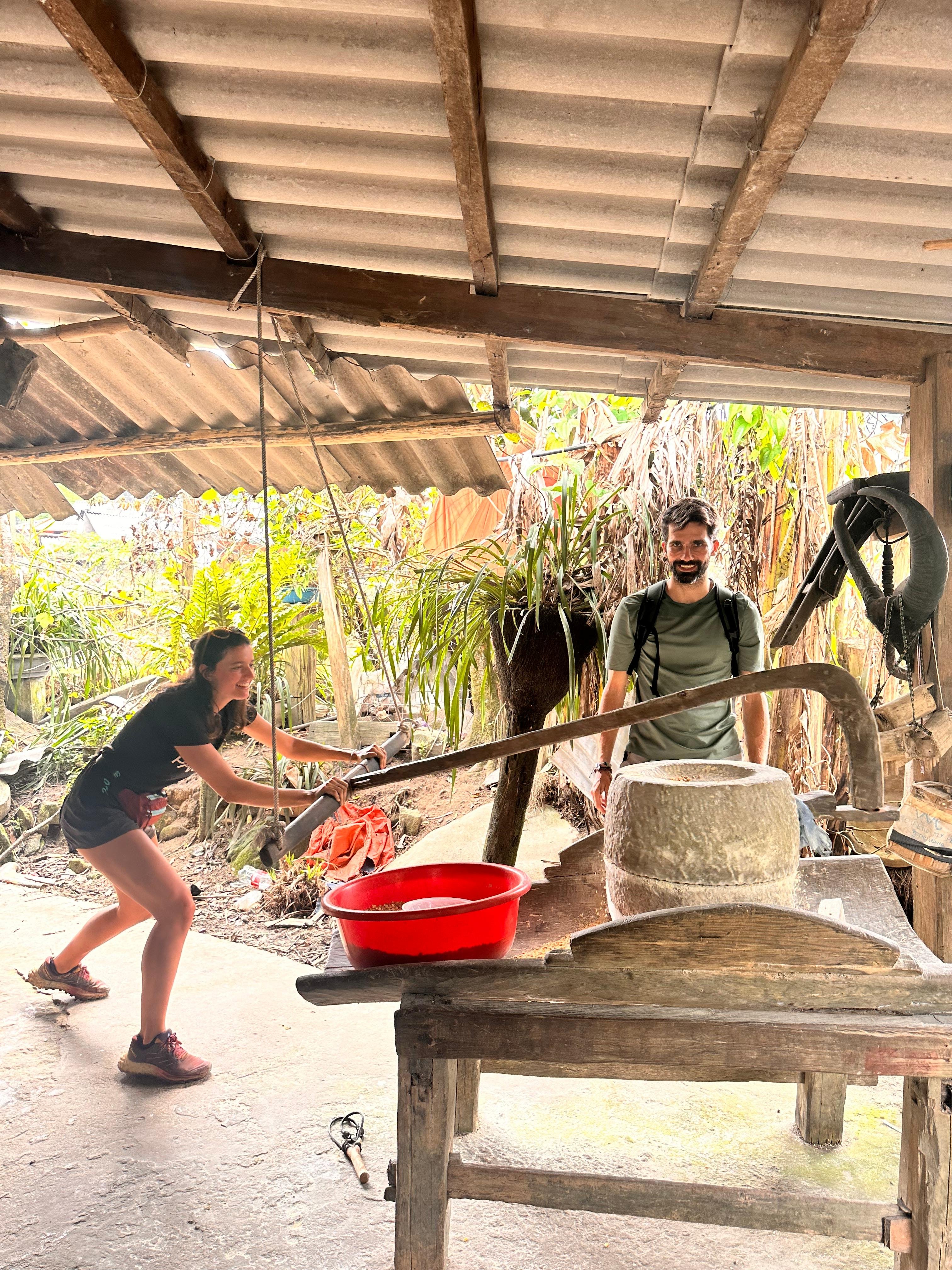
- Learn about the rich cultures and traditions of ethnic minority groups.
- Enjoy delicious local meals made with fresh ingredients Perfect f nature lovers
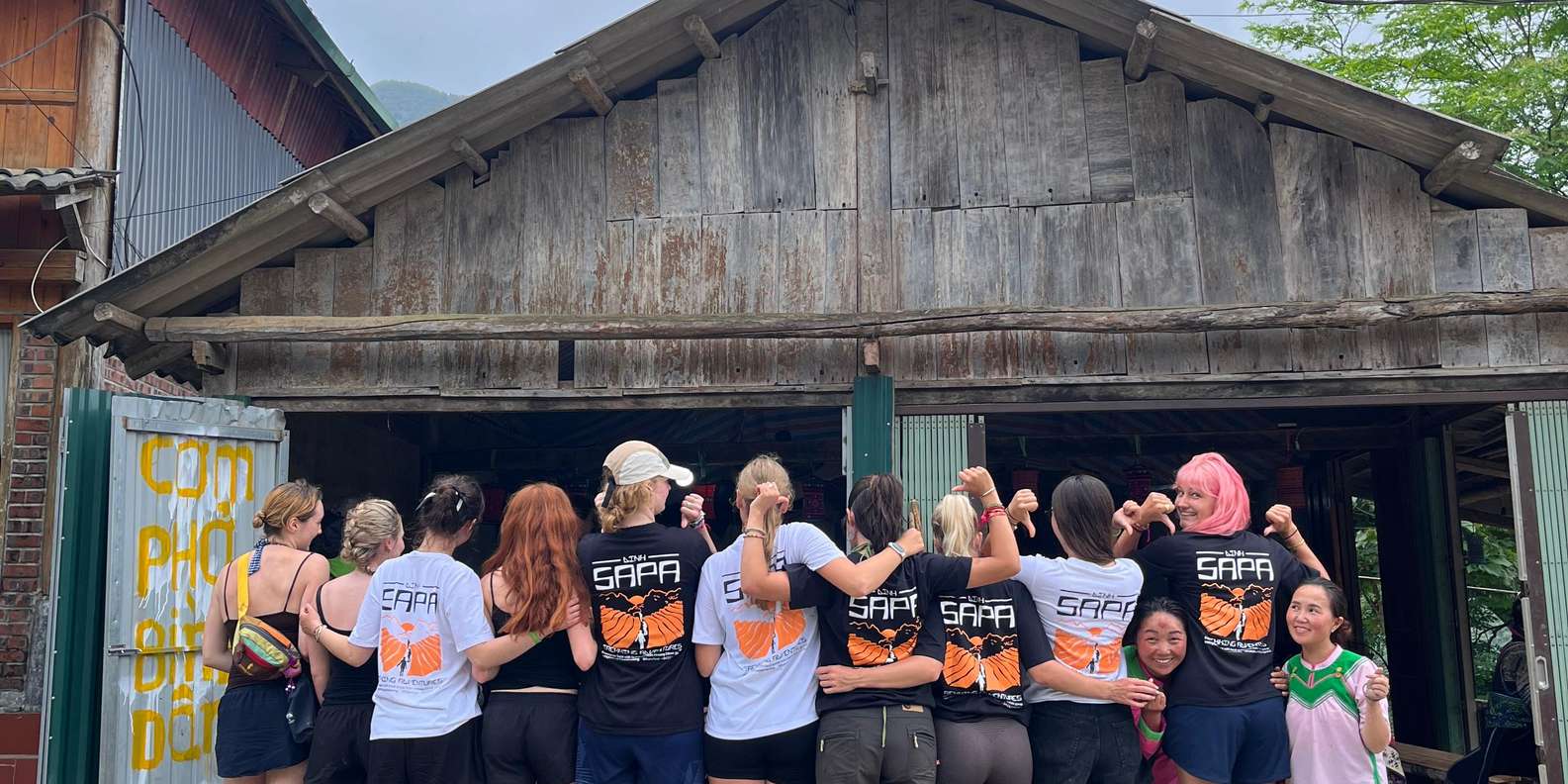
- Receive a free T-shirt as a gift at the end of your Sapa journey
What's Included
- Local guide ( 2 days)
- Village entry fees ( 4villages)
- 2 Lunches
- 1 Dinner
- 1 Breakfast
- 1-night homestay
- 1 big water for 1 person per day
- Transportation back to Sapa after ending the tour in the village
How the Sapa 2-Day Tour Works
Four steps from Sapa town to a homestay night in the rice terraces.
Meet in Sapa Town
Your English-speaking local guide meets you in Sapa town in the morning. Most 2-day treks depart from here; some packages bundle the overnight transfer from Hanoi so you arrive ready to walk.
Trek the Muong Hoa Valley
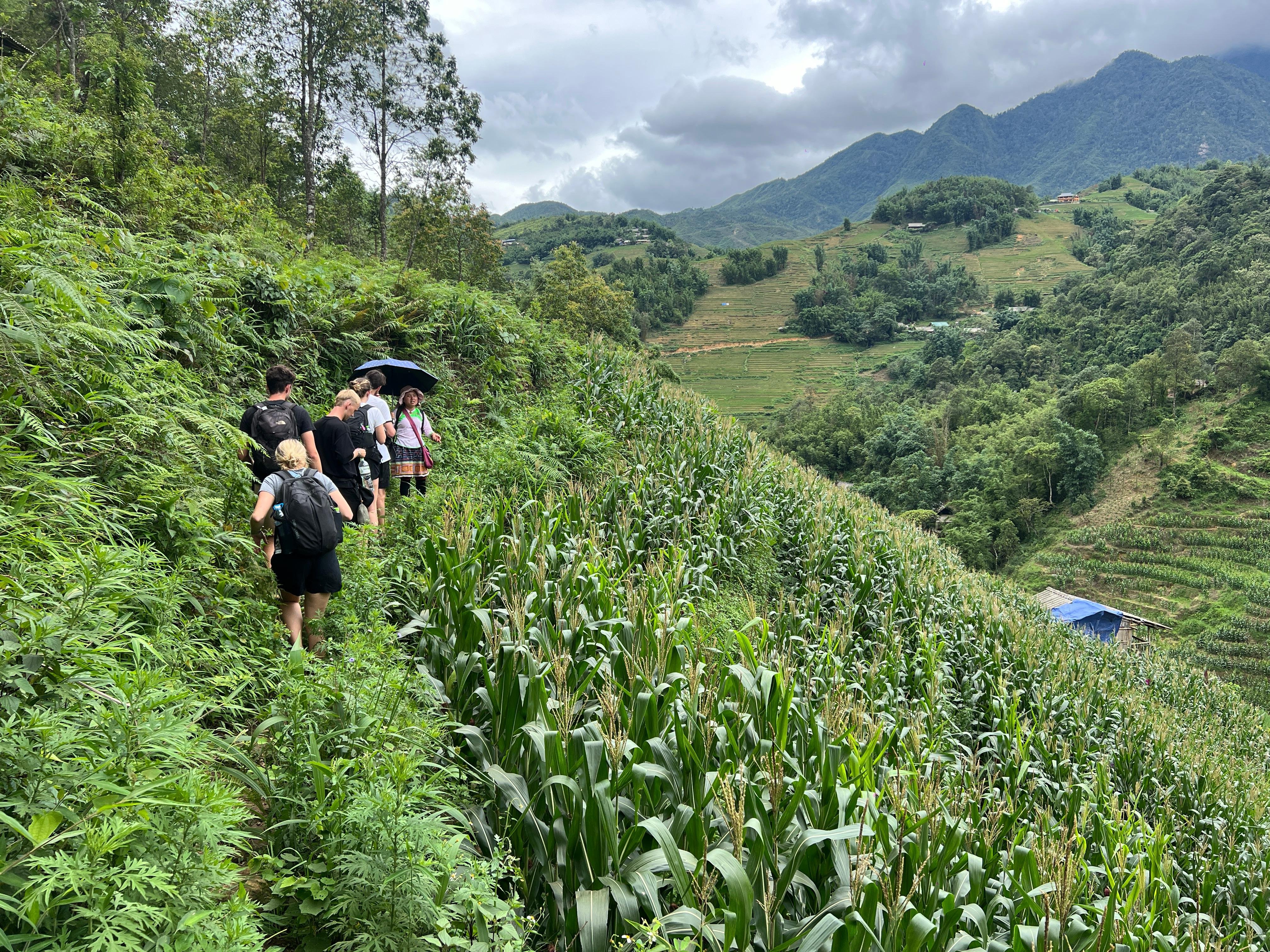
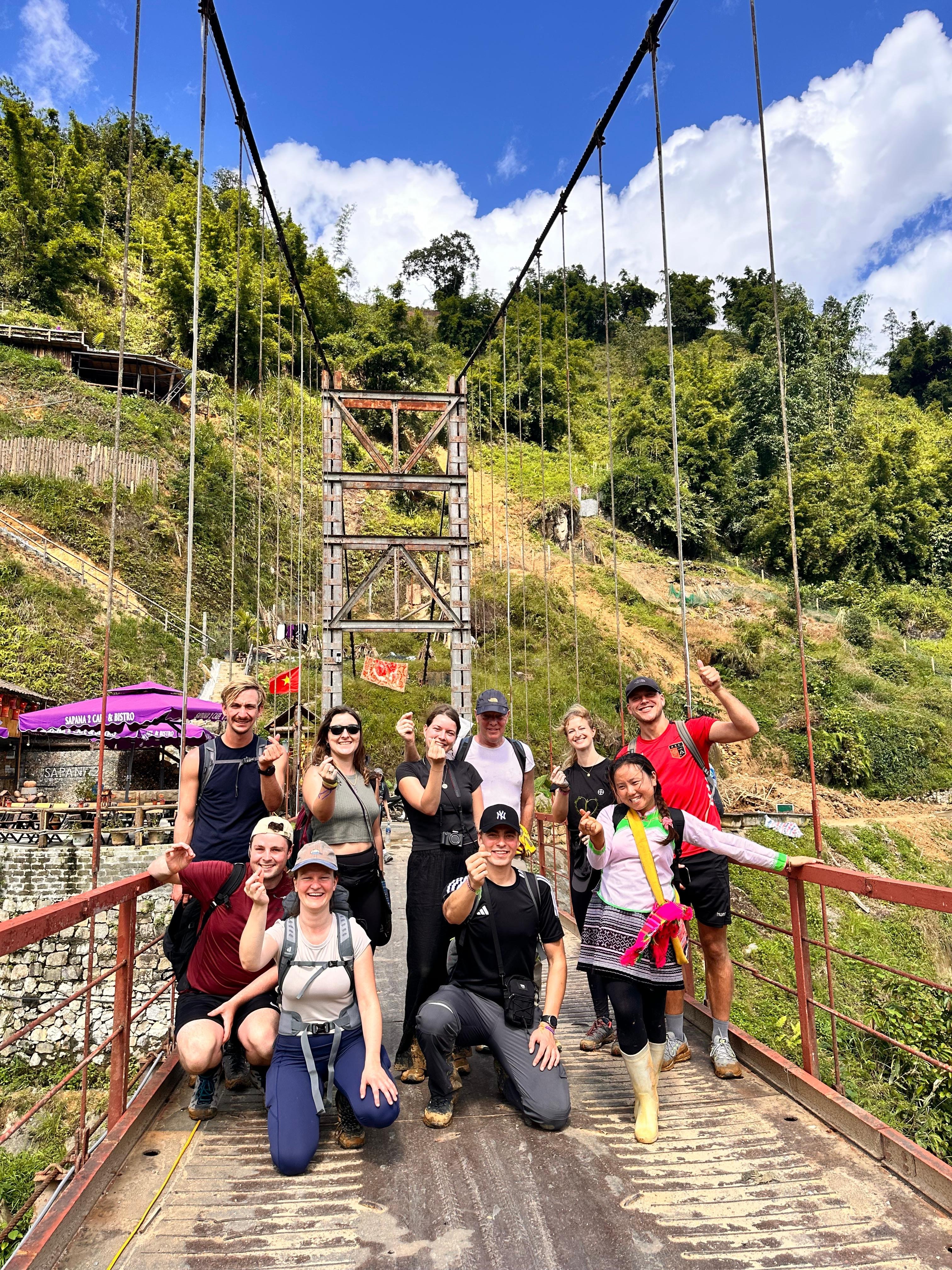
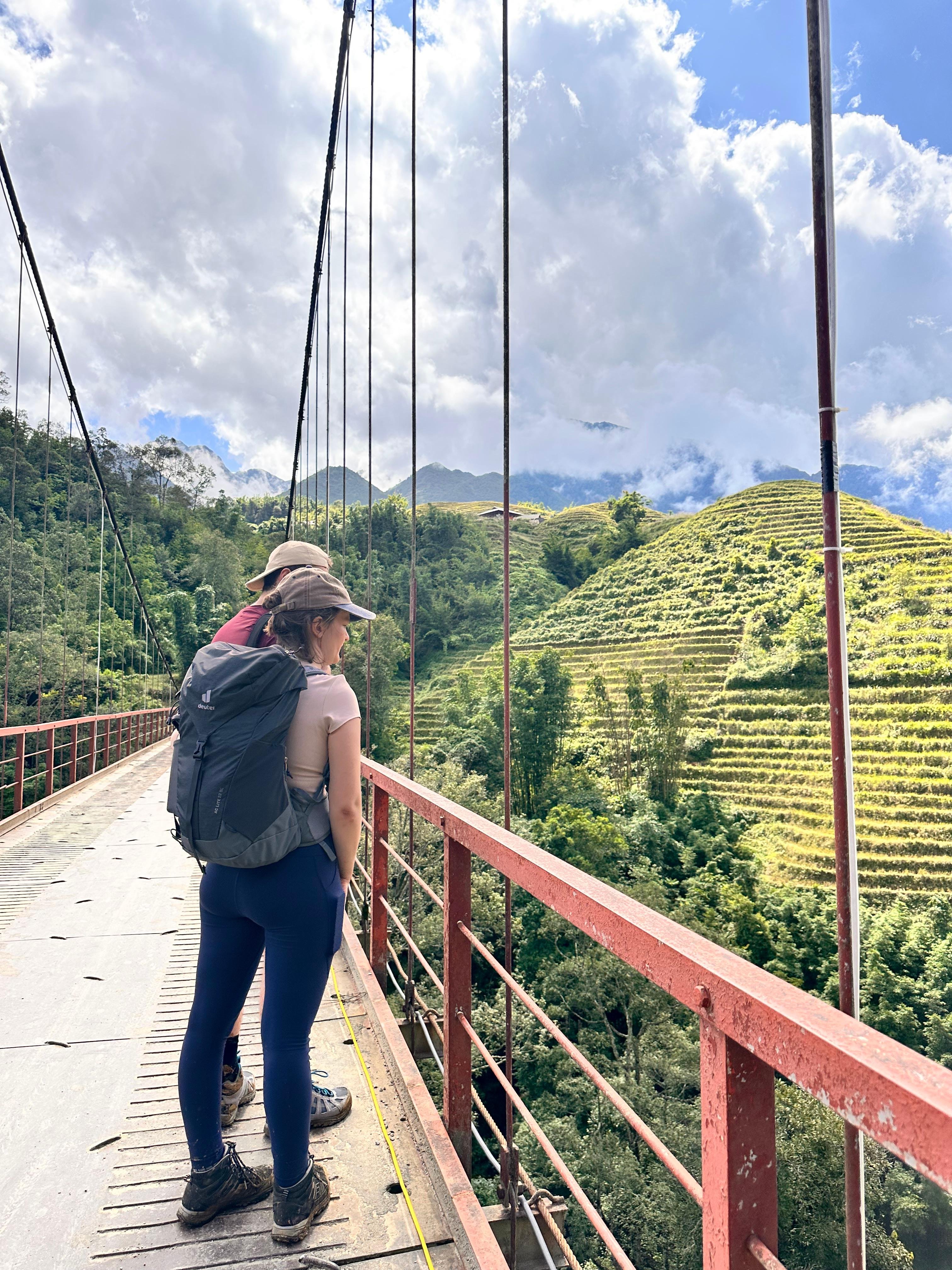
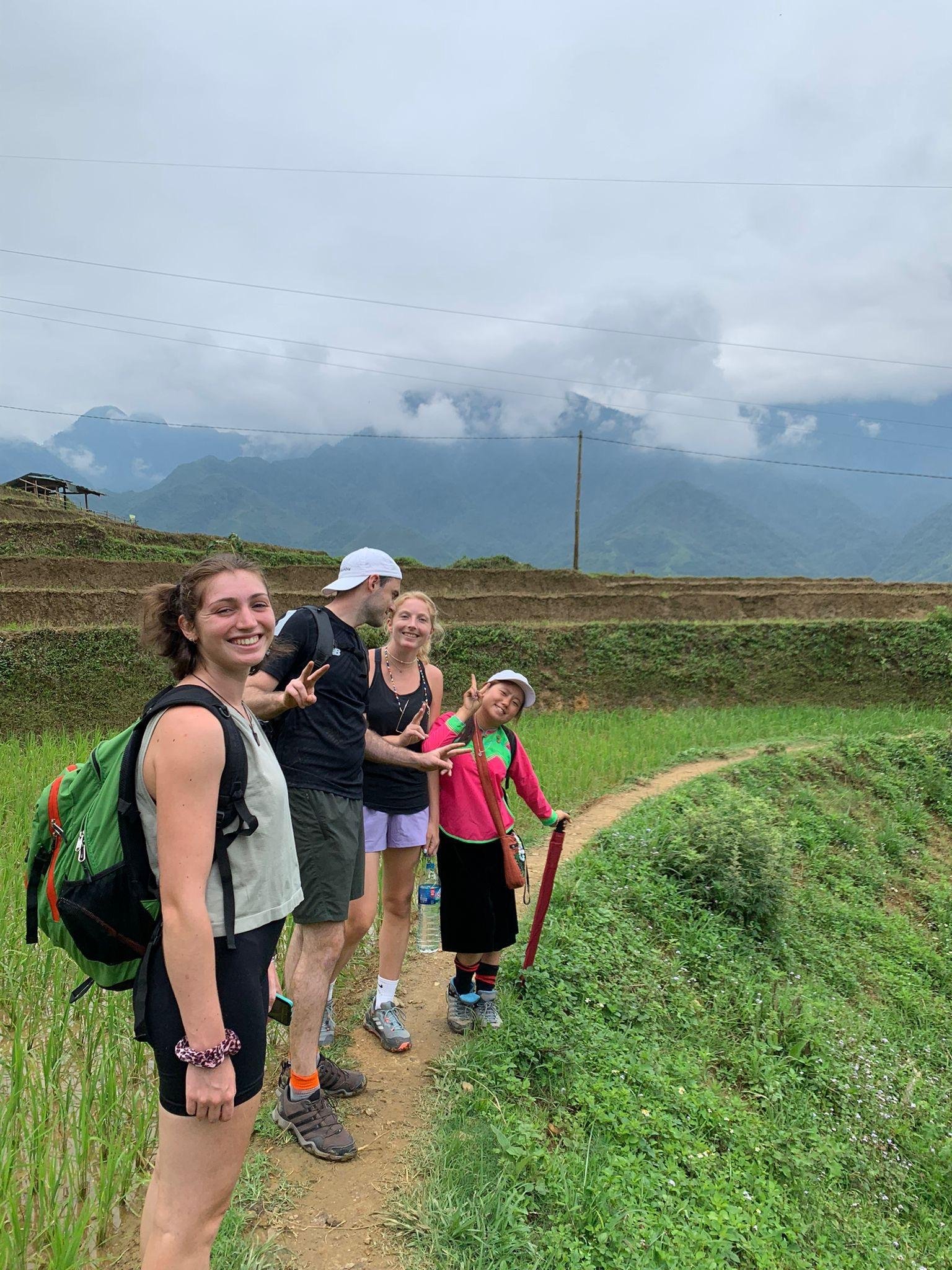
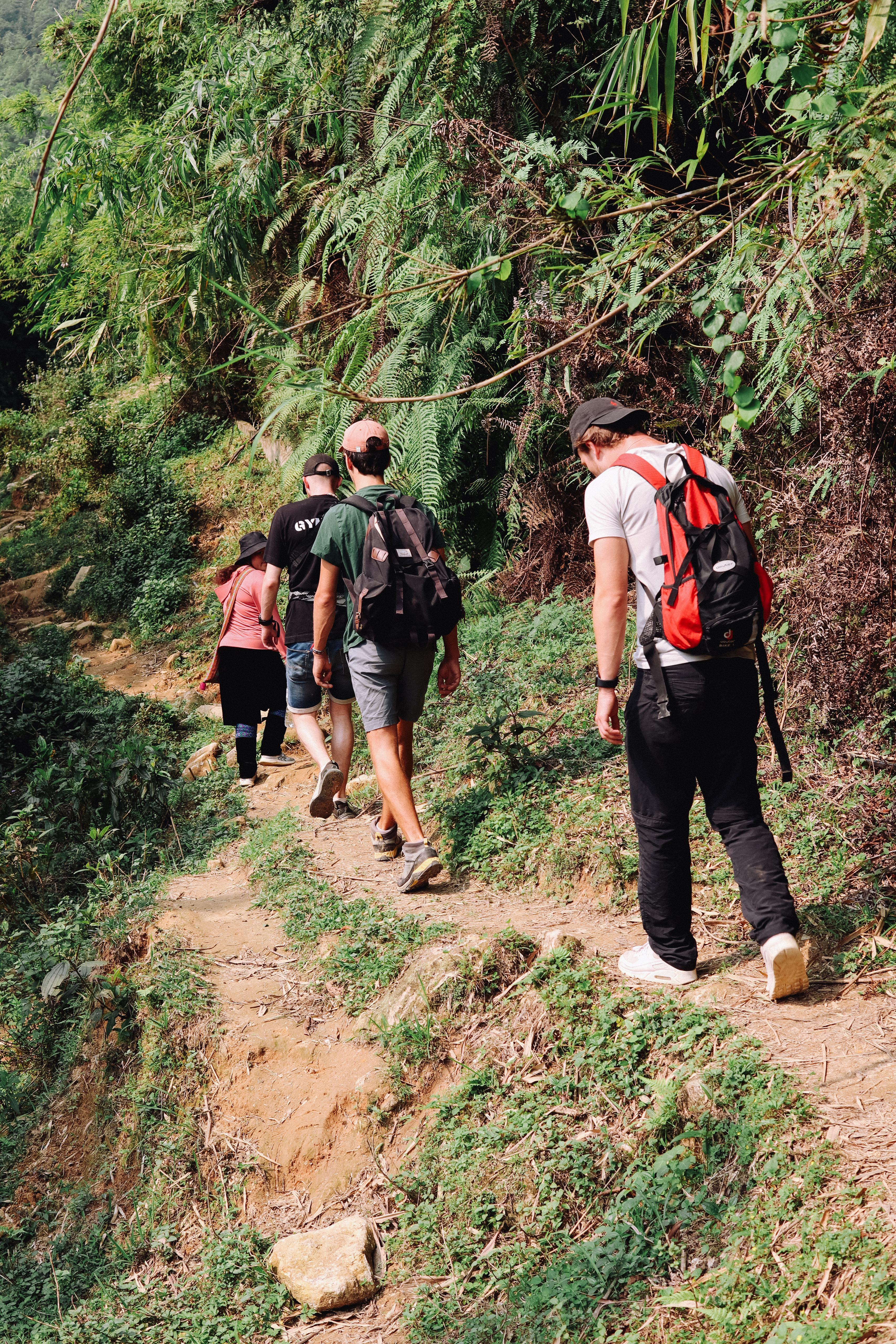
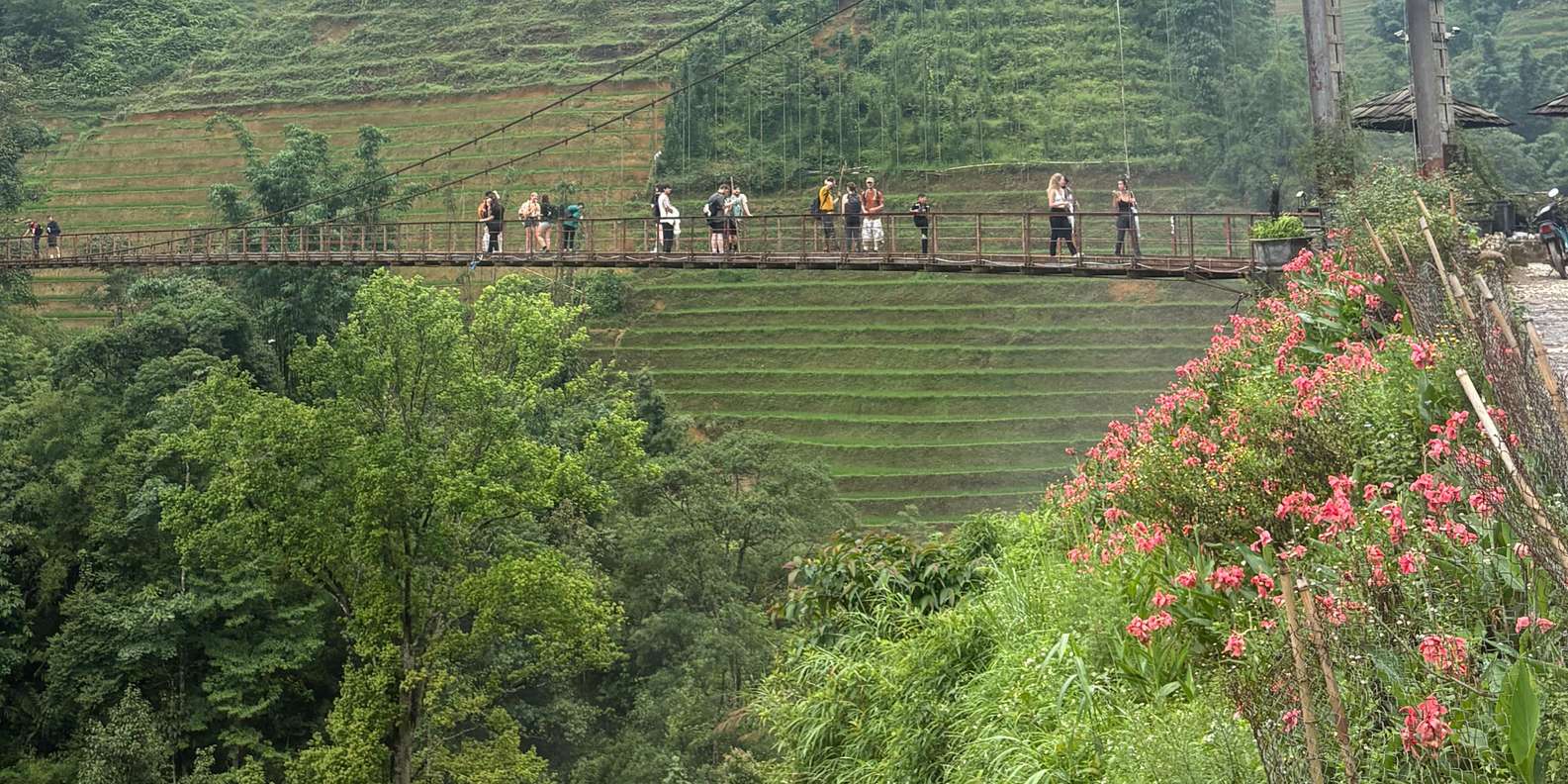
Walk down into the Muong Hoa Valley past terraced rice fields and through villages such as Lao Chai and Ta Van — roughly 8–10 km on day one, at a steady, photo-friendly pace.
Stay Overnight in a Homestay
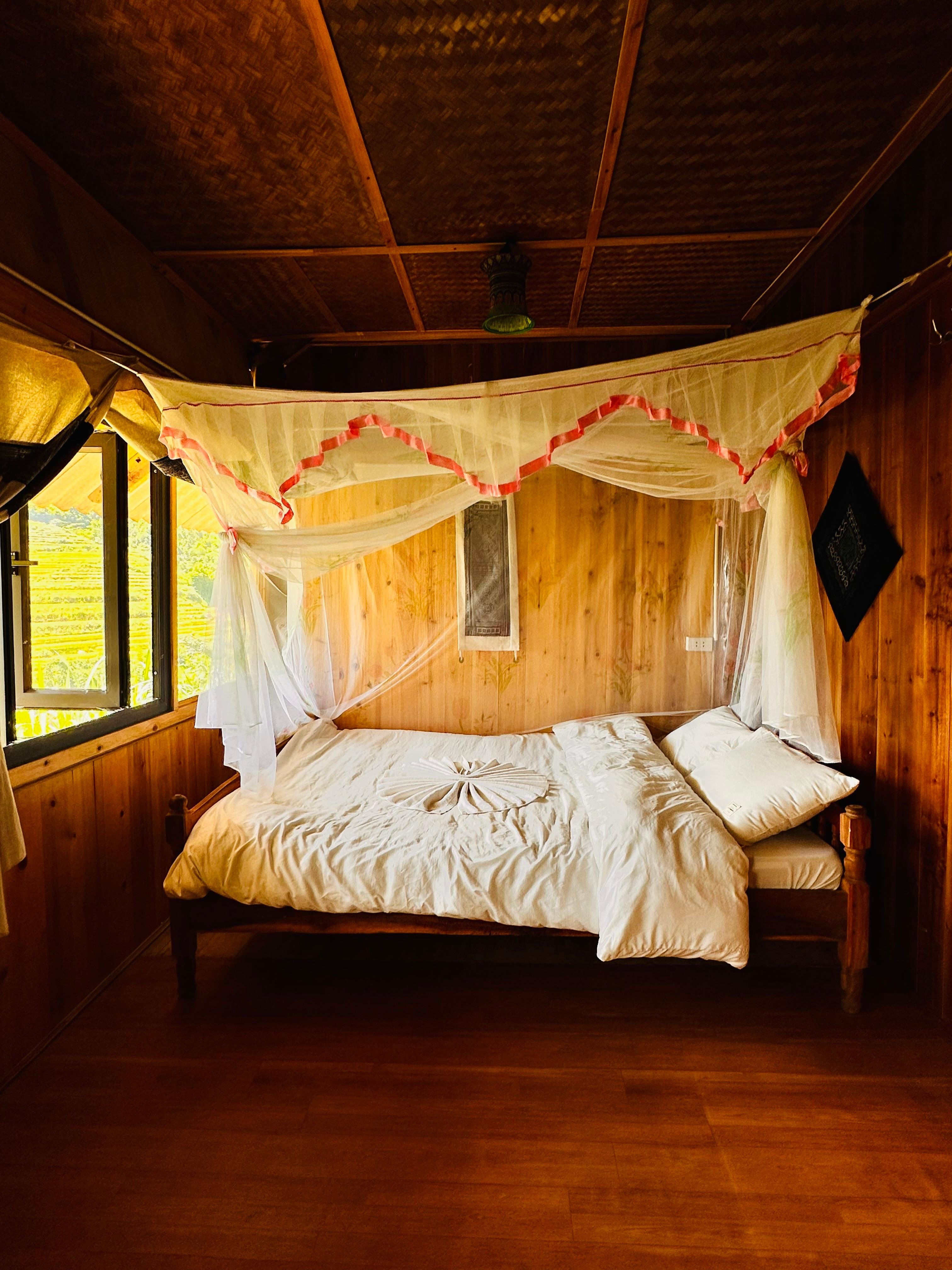
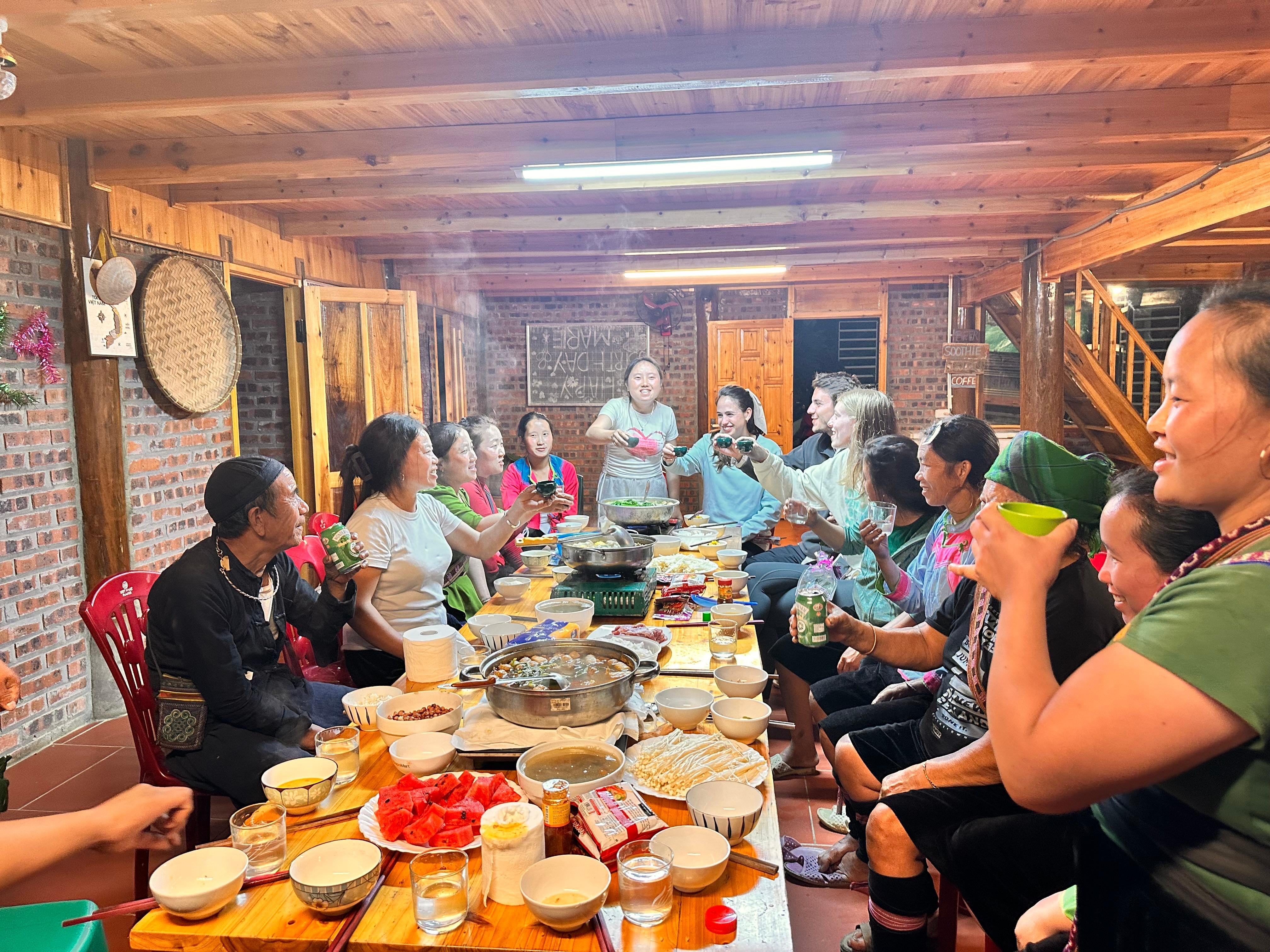
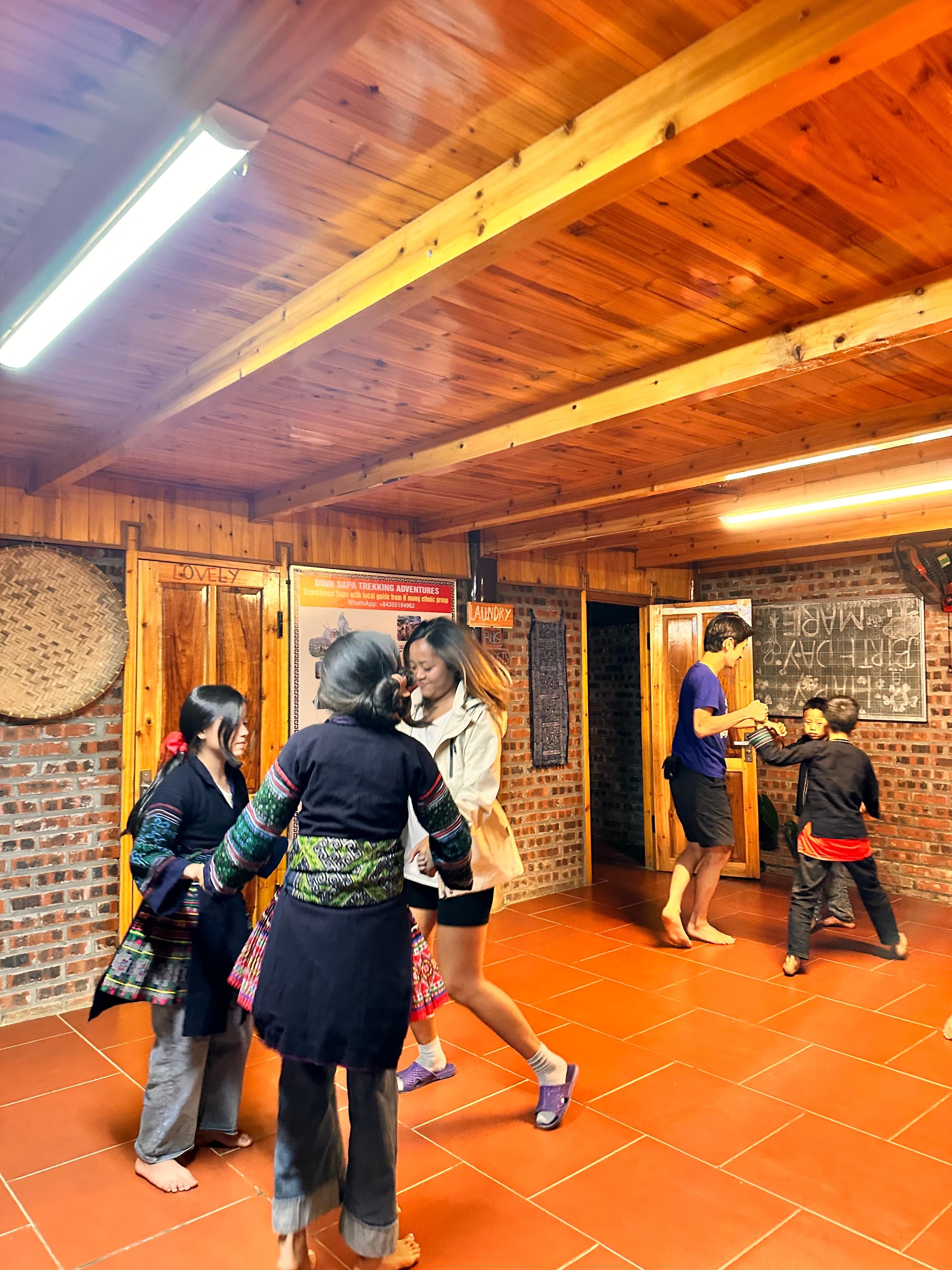
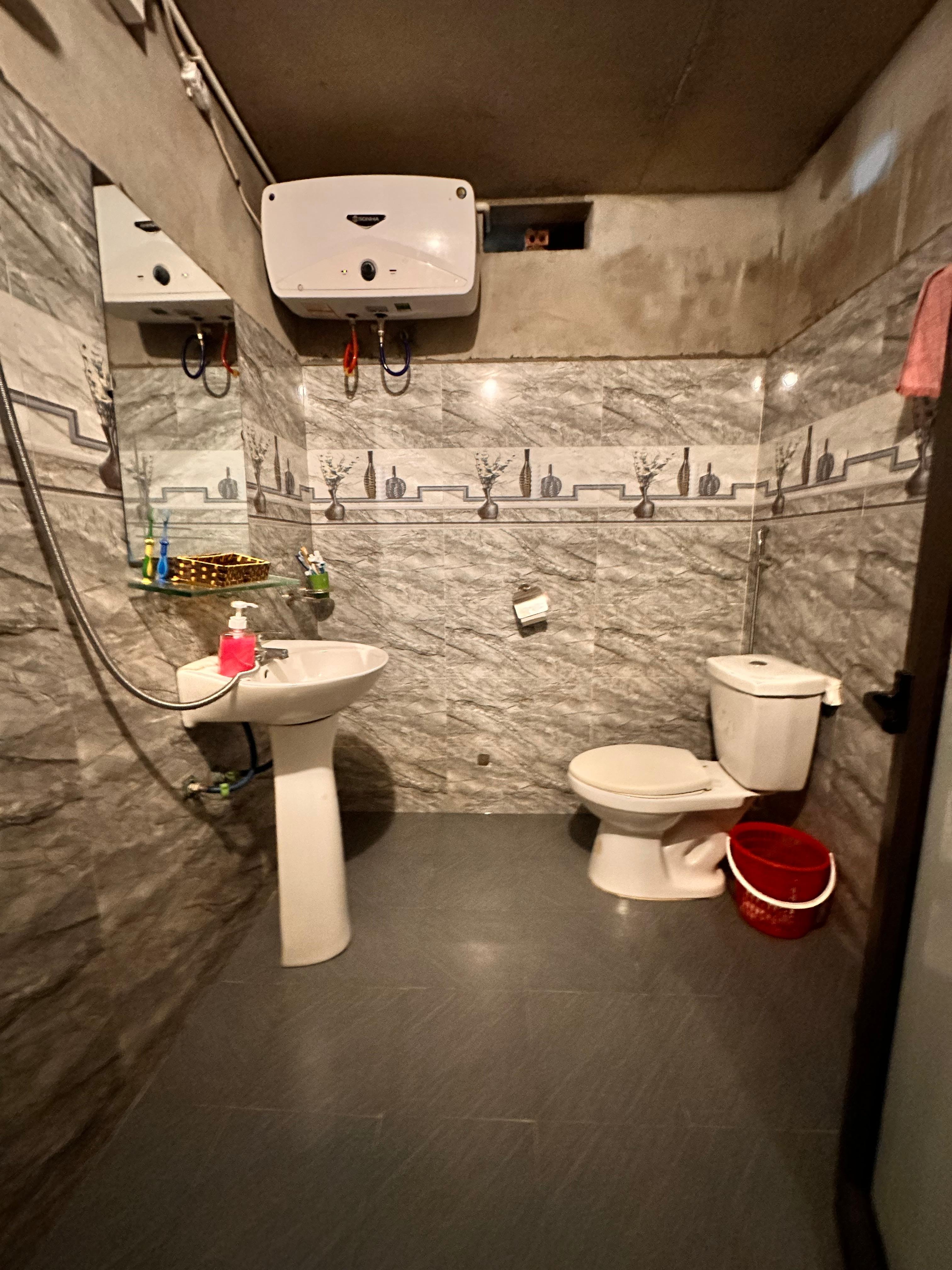
Spend the night in a family homestay in the valley — a simple, shared setup in a Hmong or Giáy household — with a home-cooked dinner and breakfast included.
Finish the Trail on Day Two
On day two you trek a shorter stretch — often via Giang Ta Chai — before transport back to Sapa town. Village entry fees, meals, guide, and the homestay night are all included.
Photo Gallery
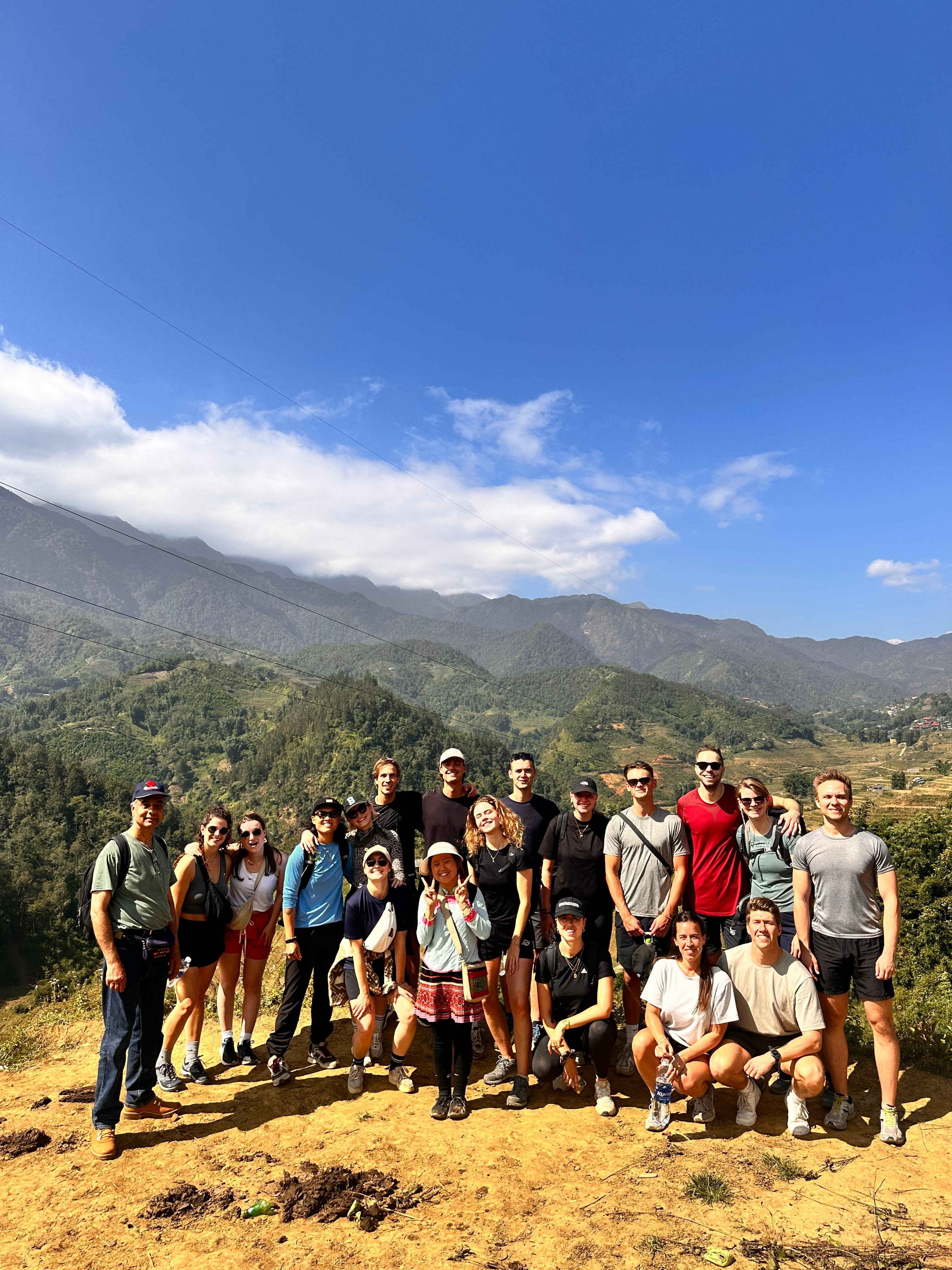
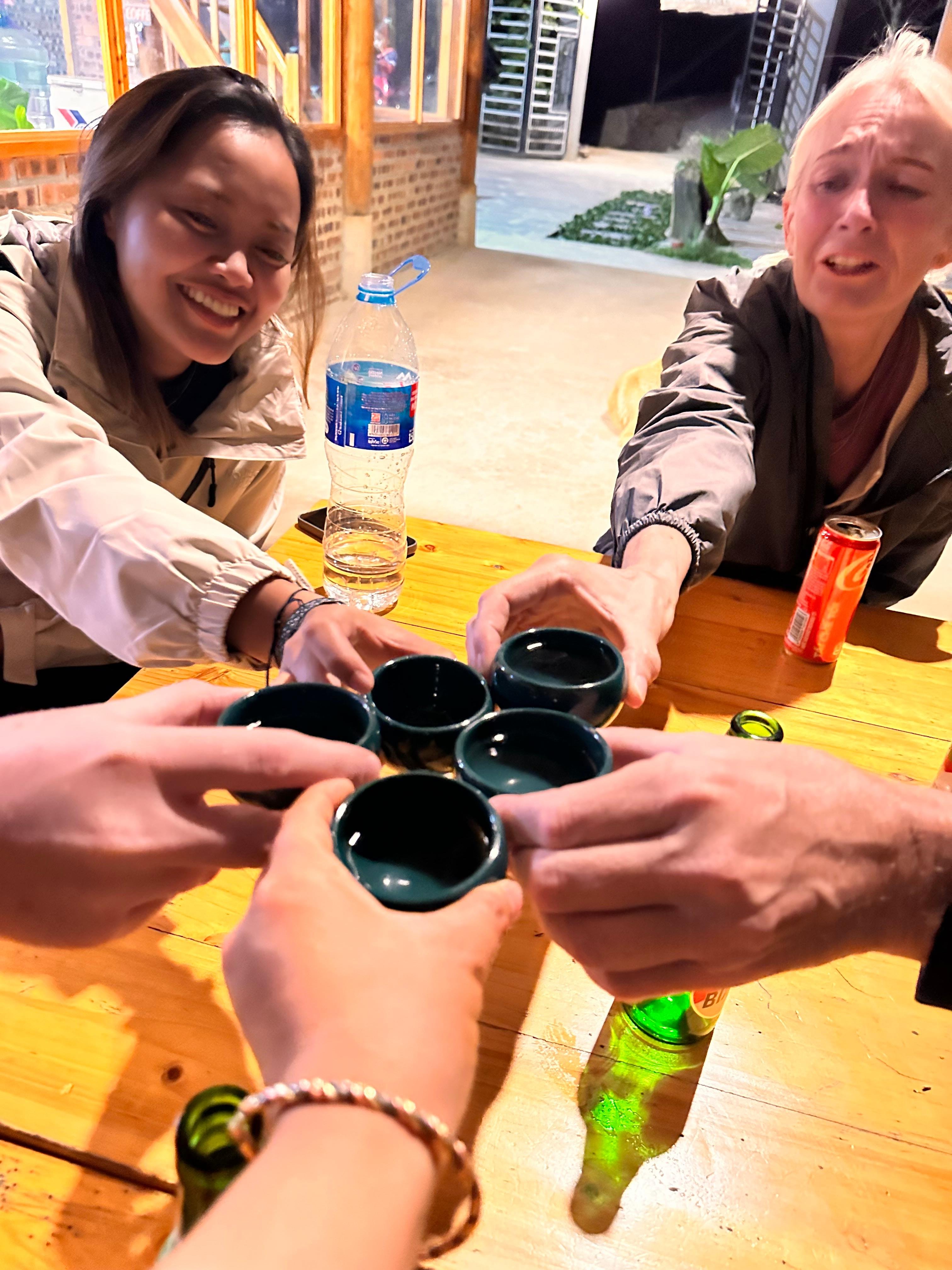
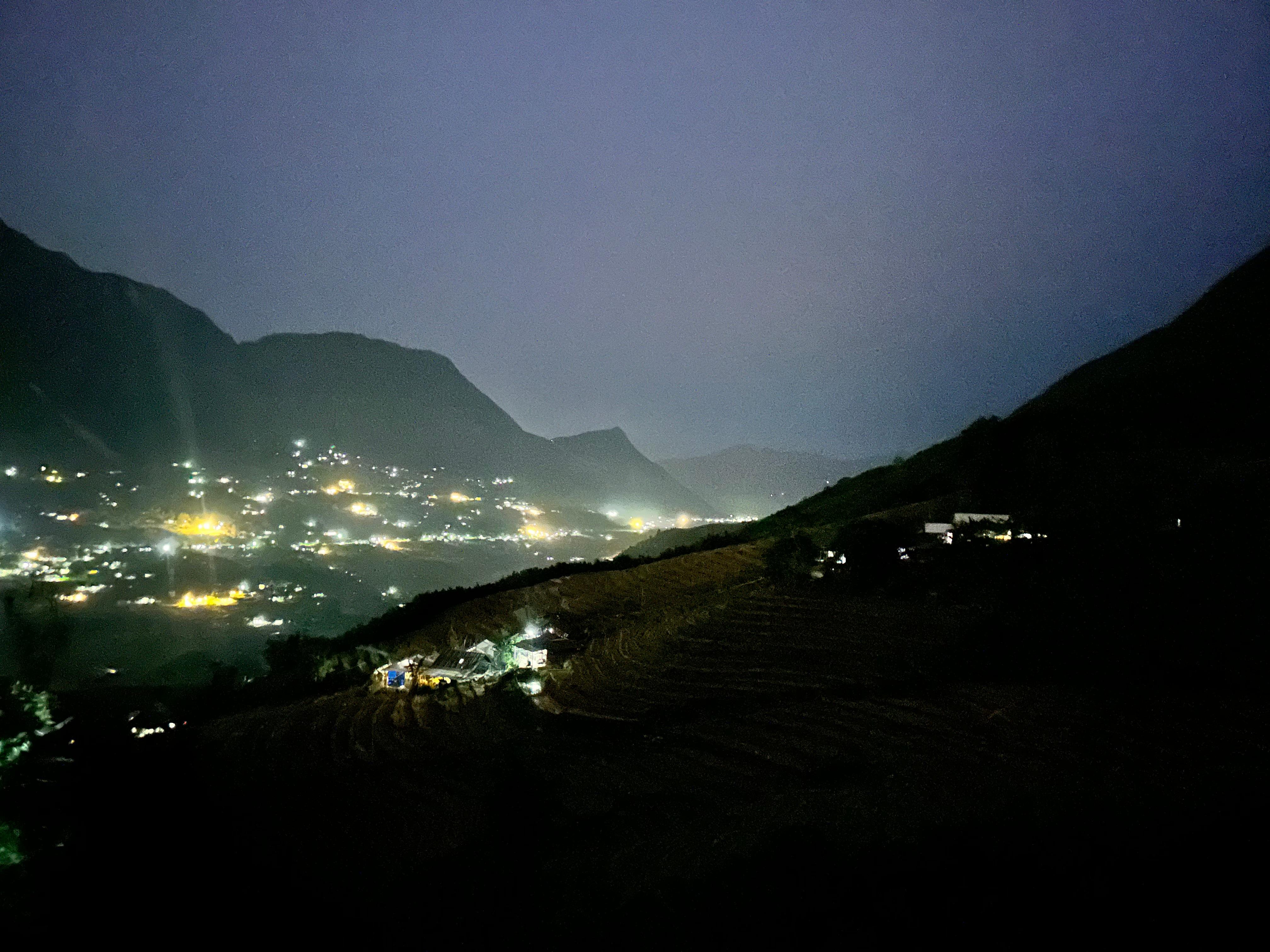
Sapa 2-Day Trek — Through the Lens
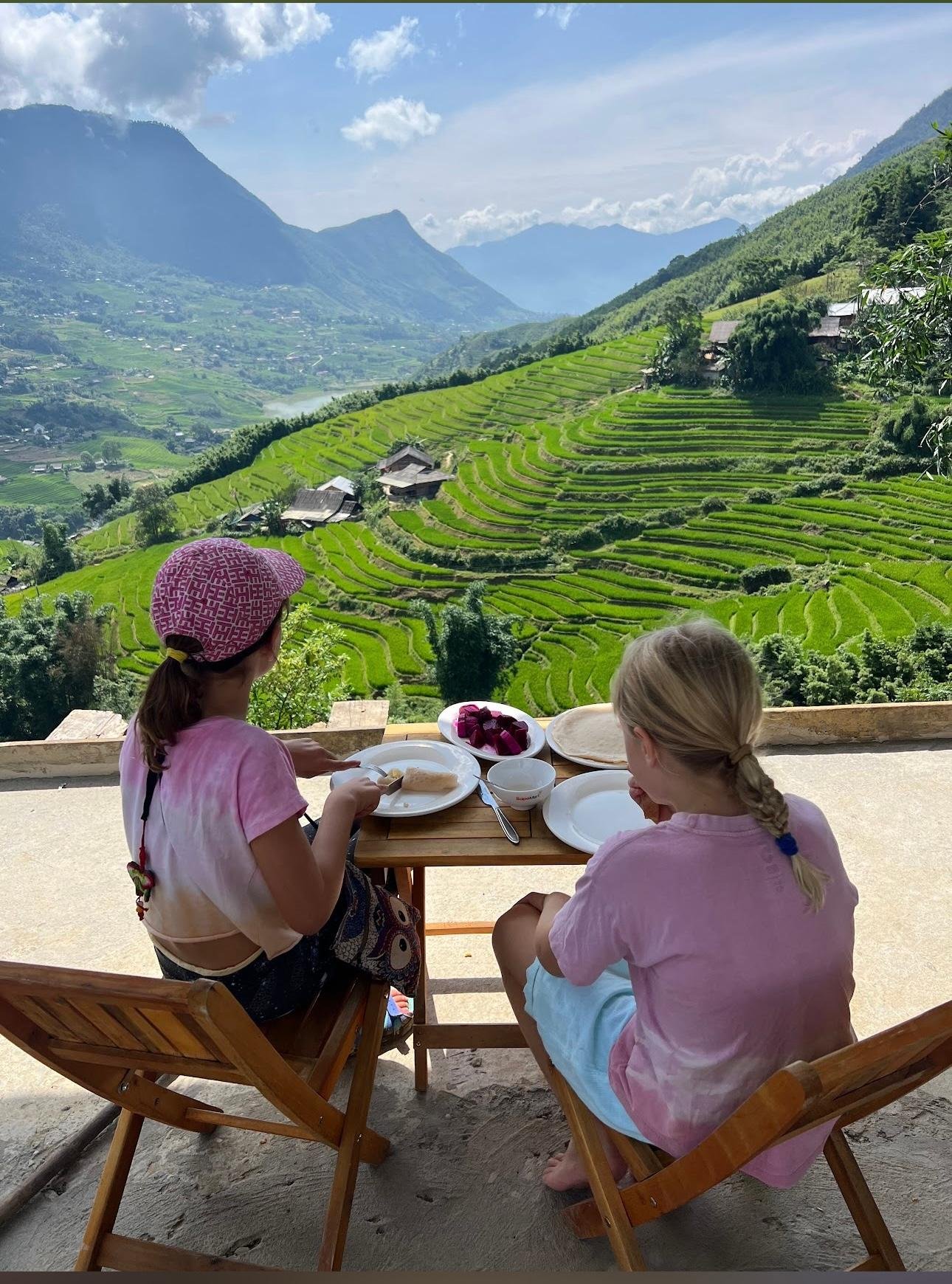
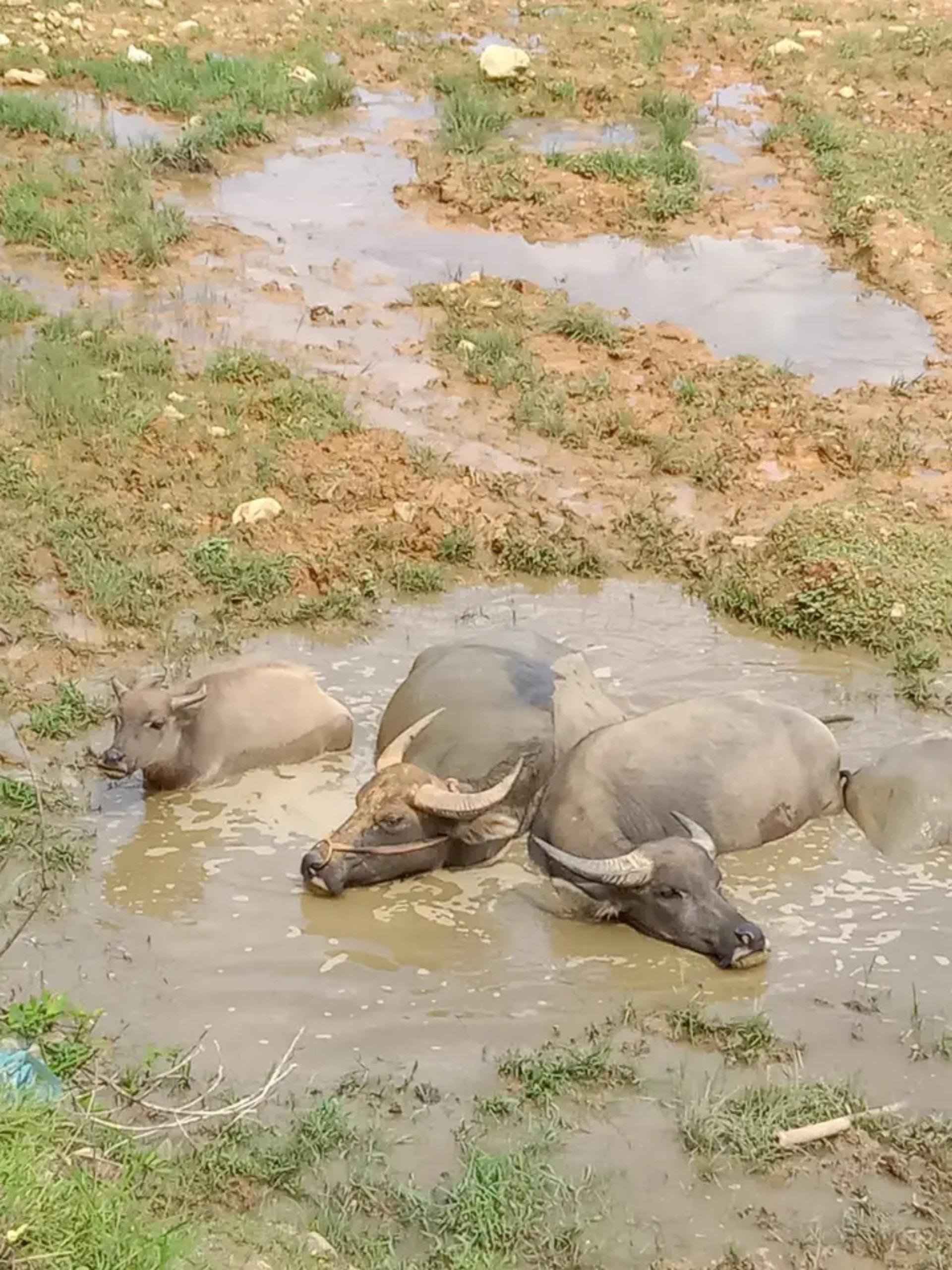
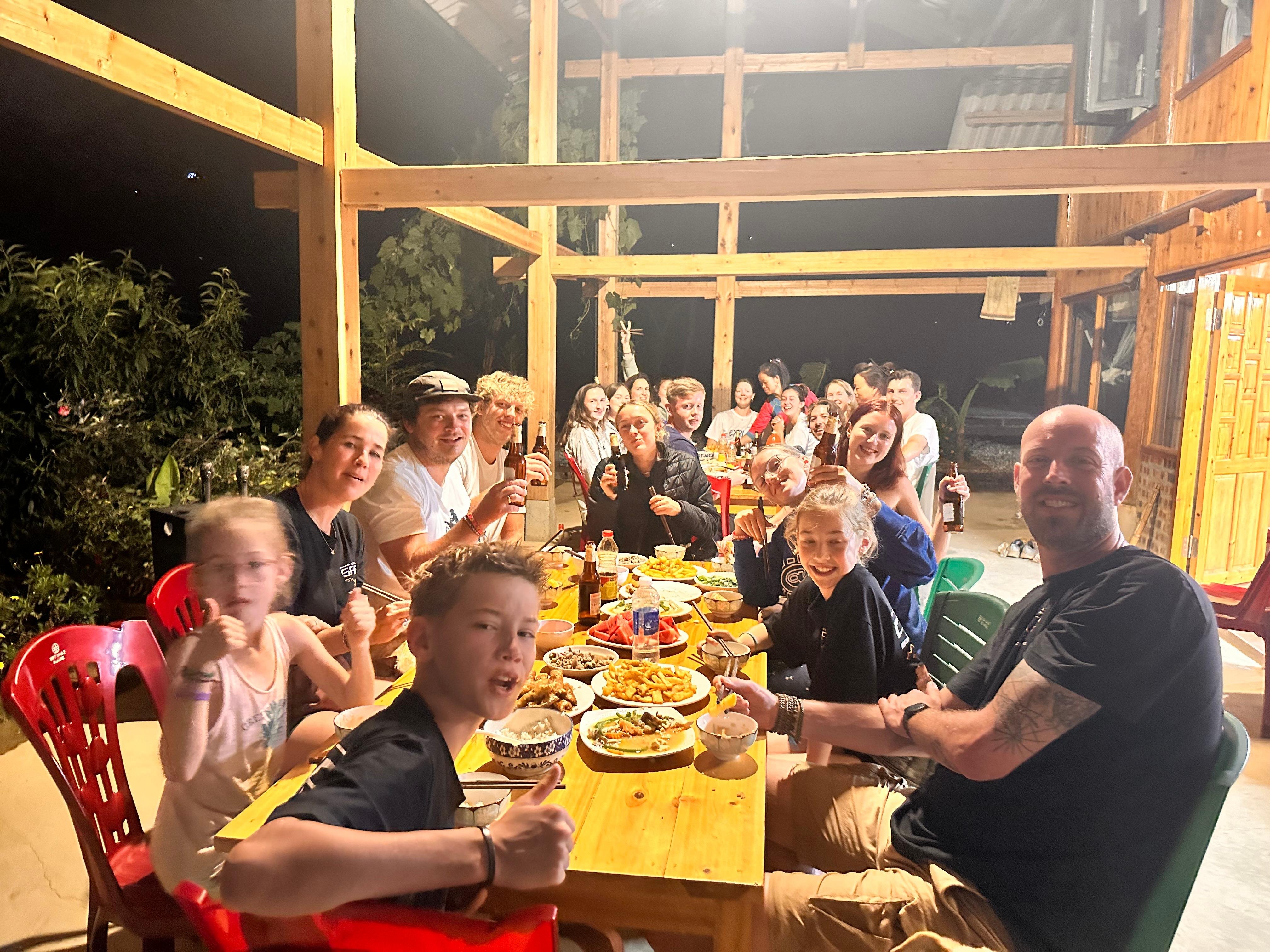
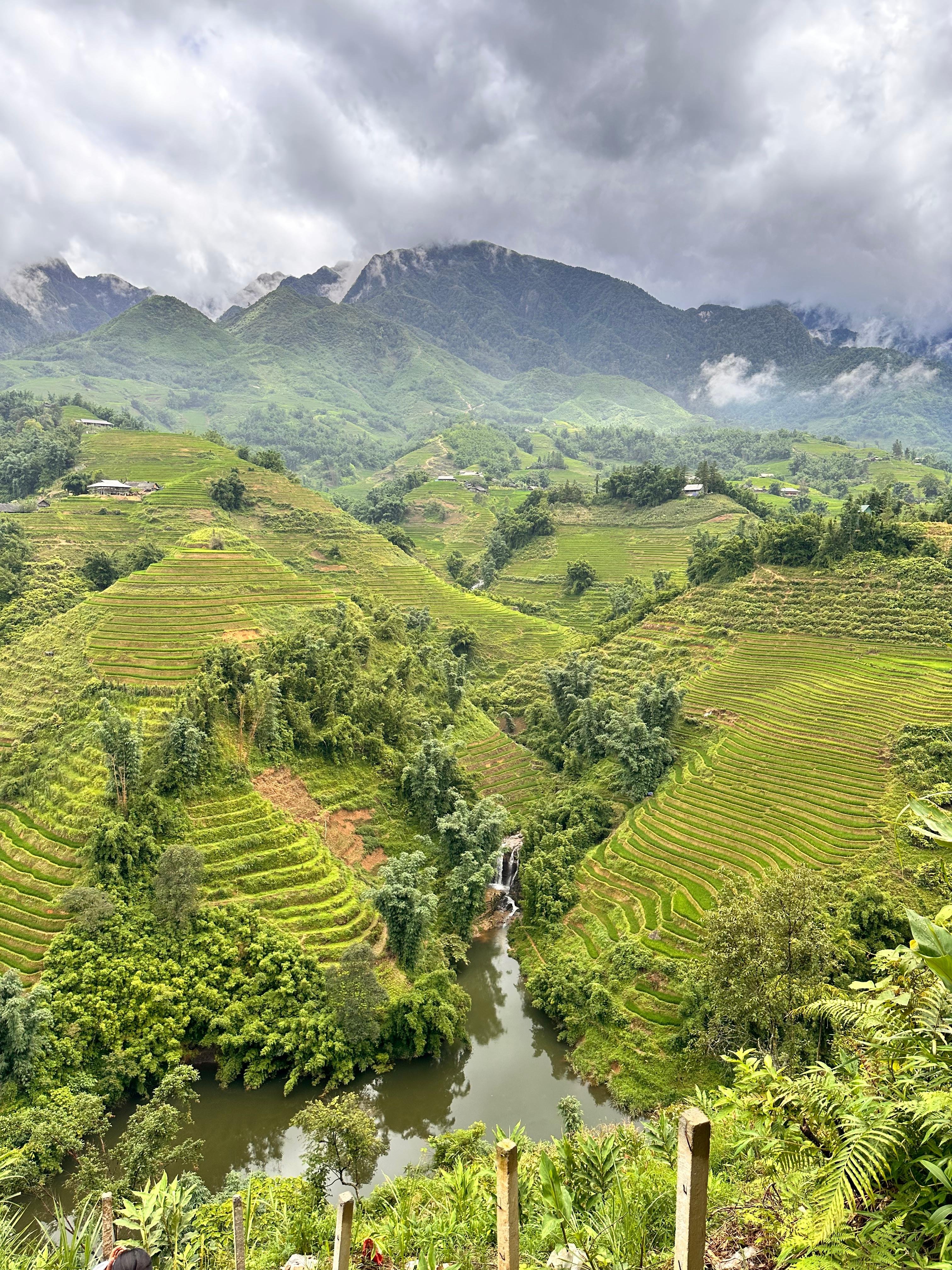
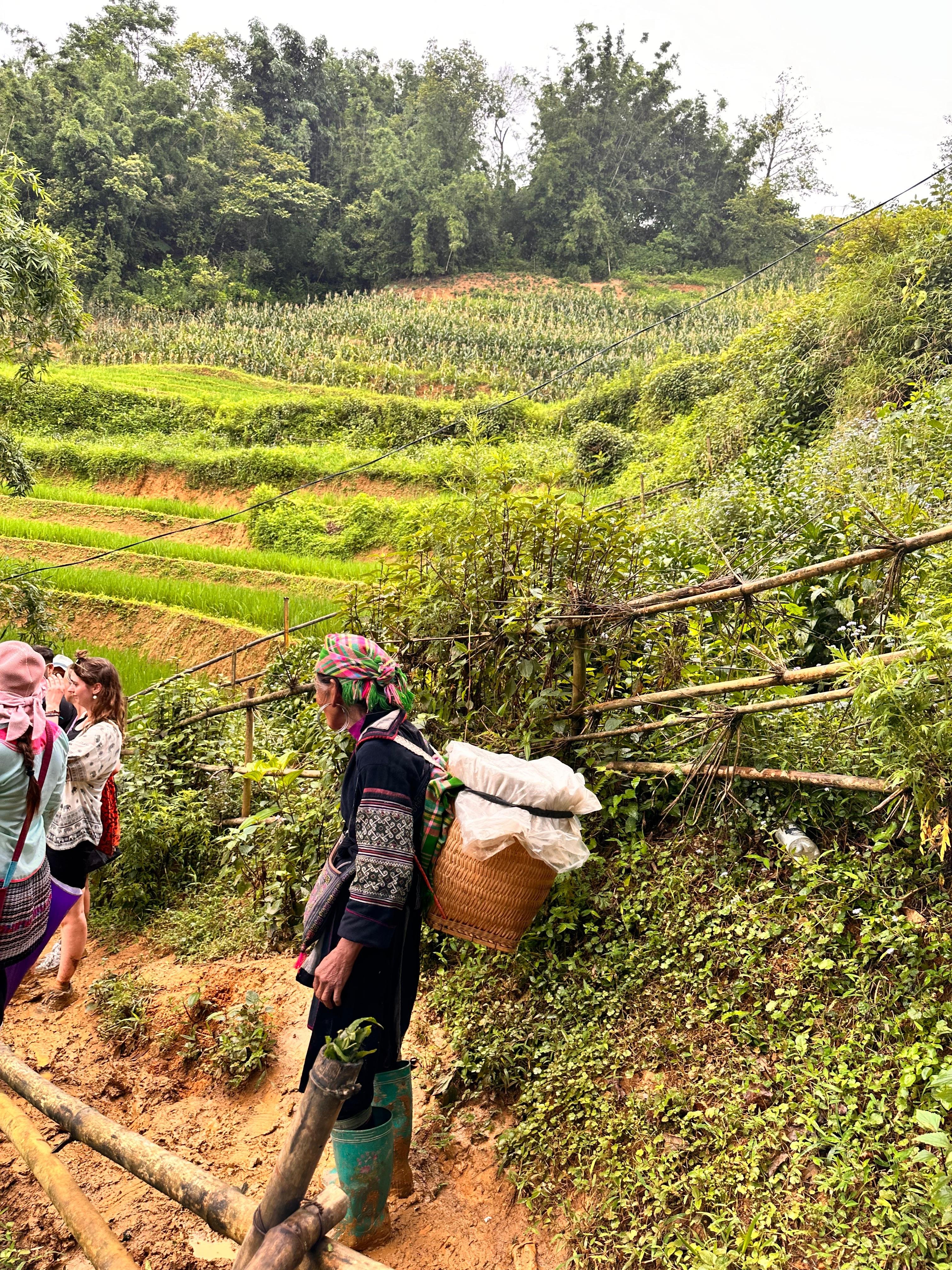
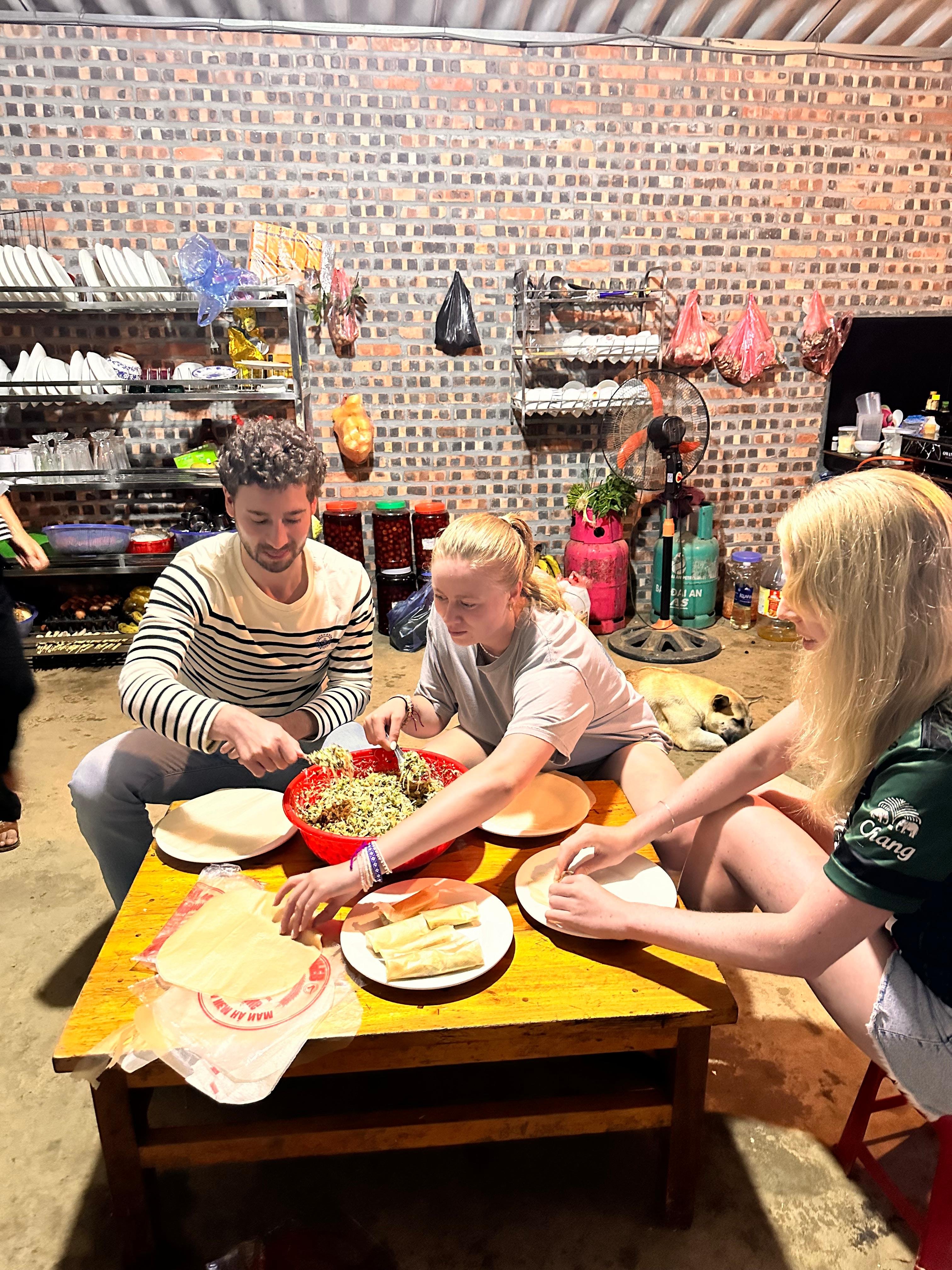
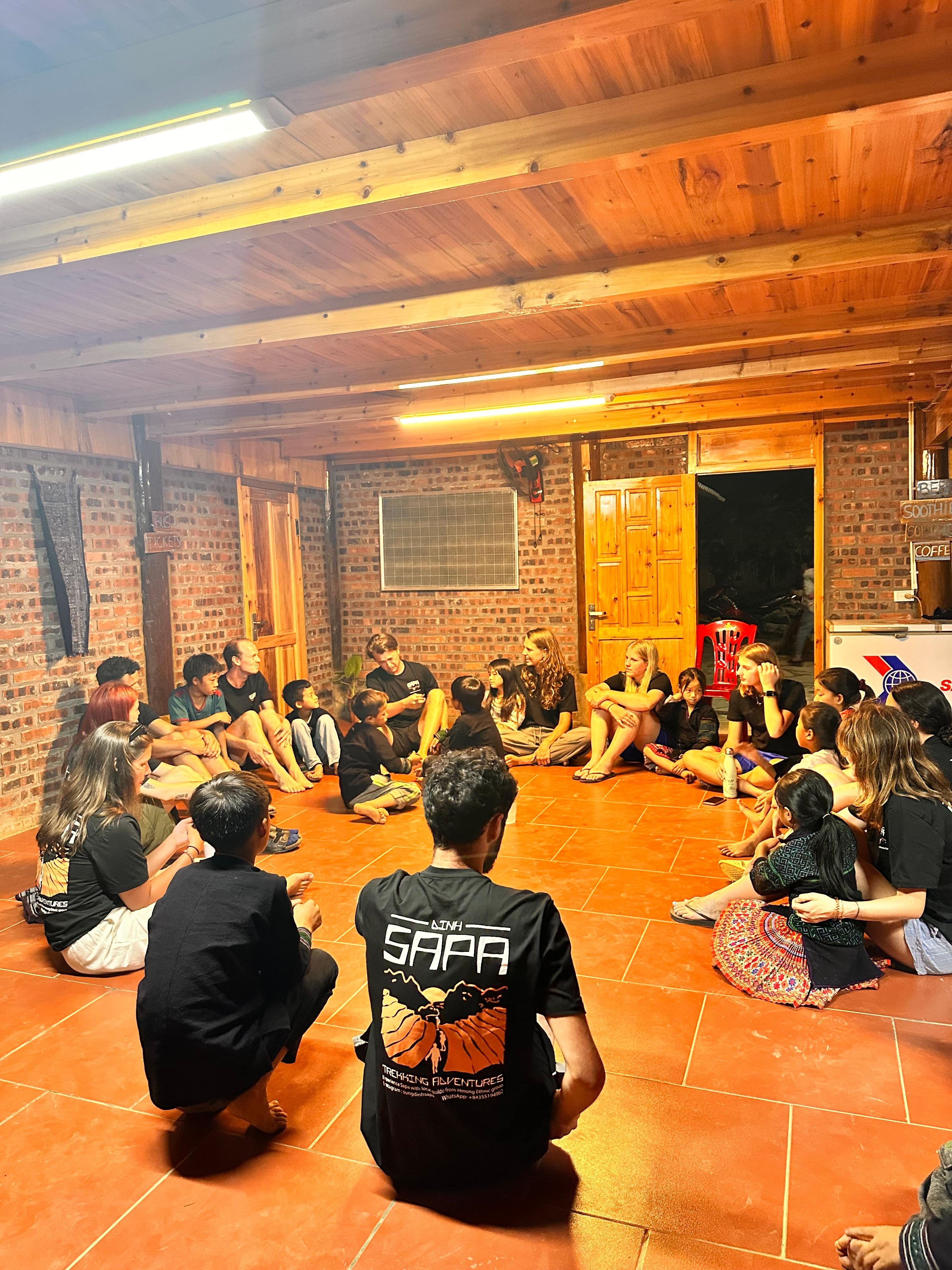
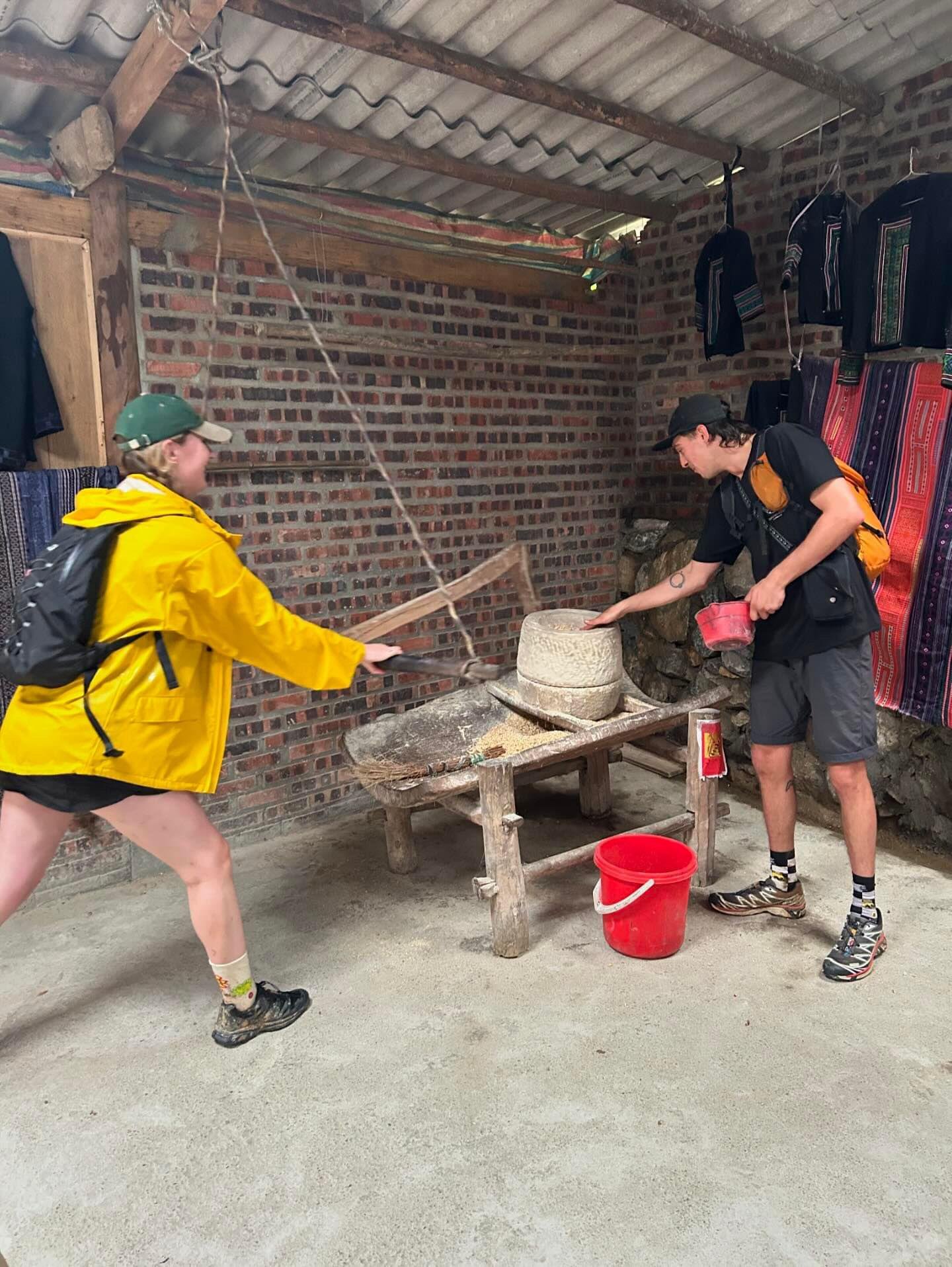
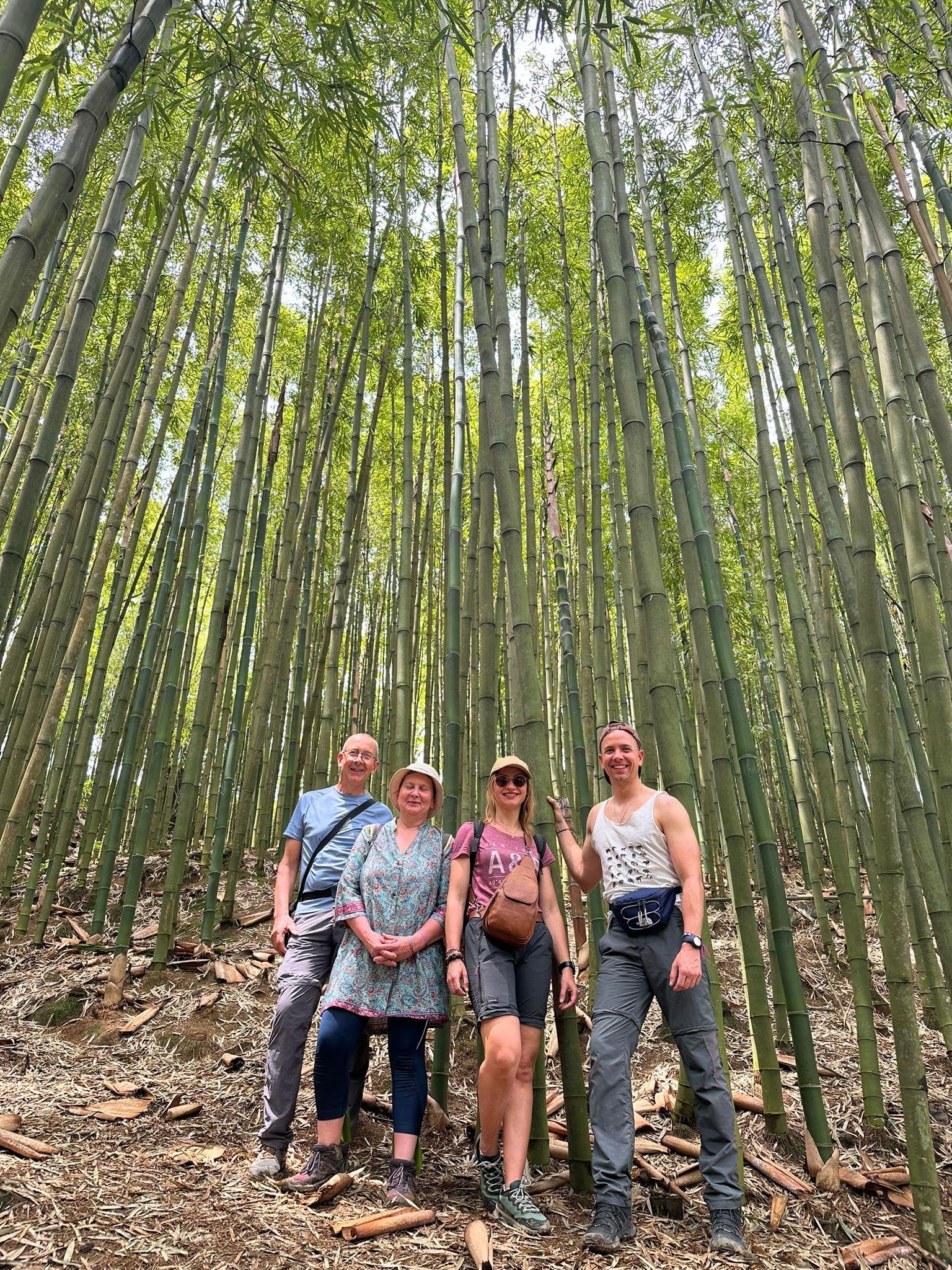
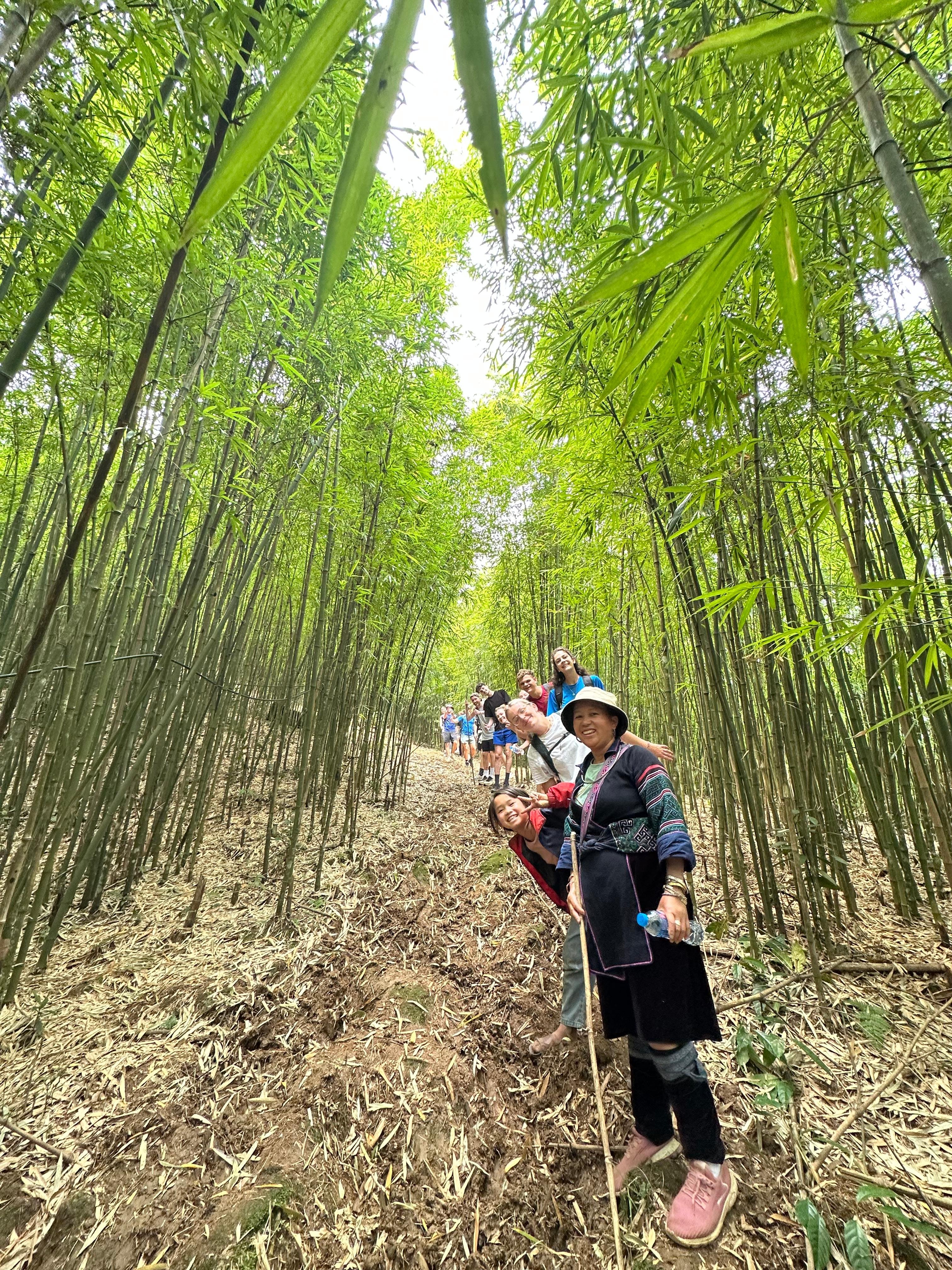
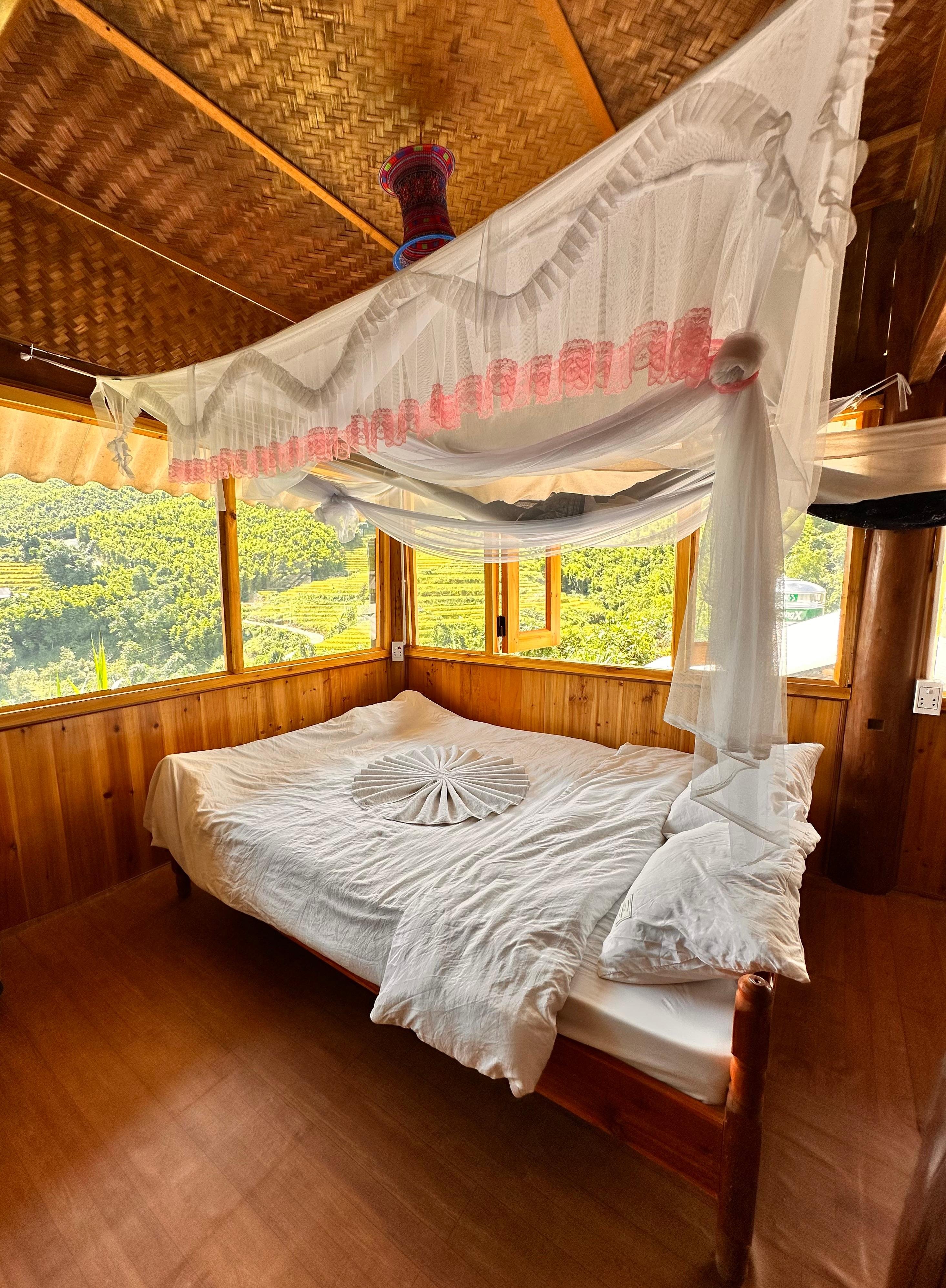
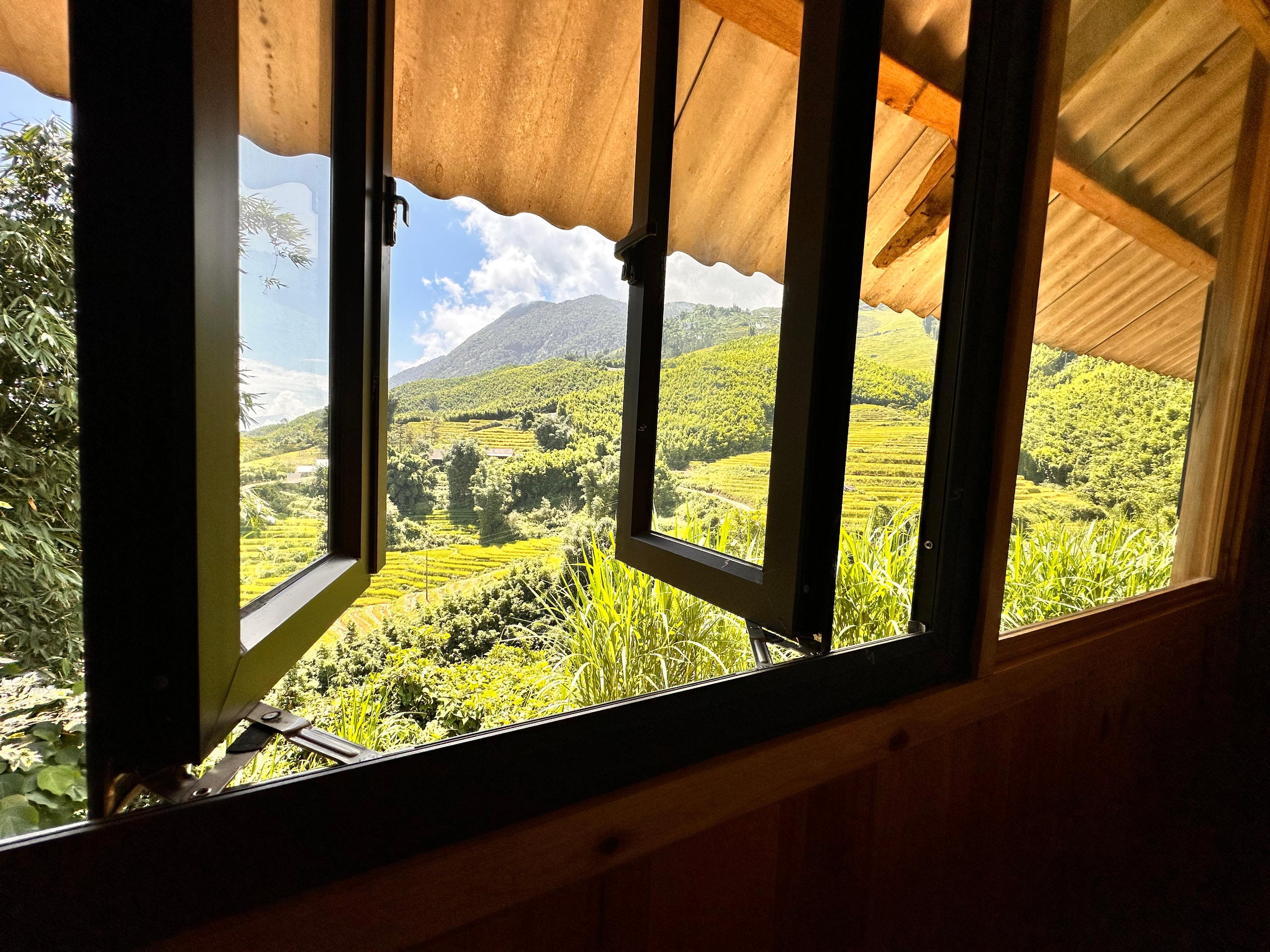
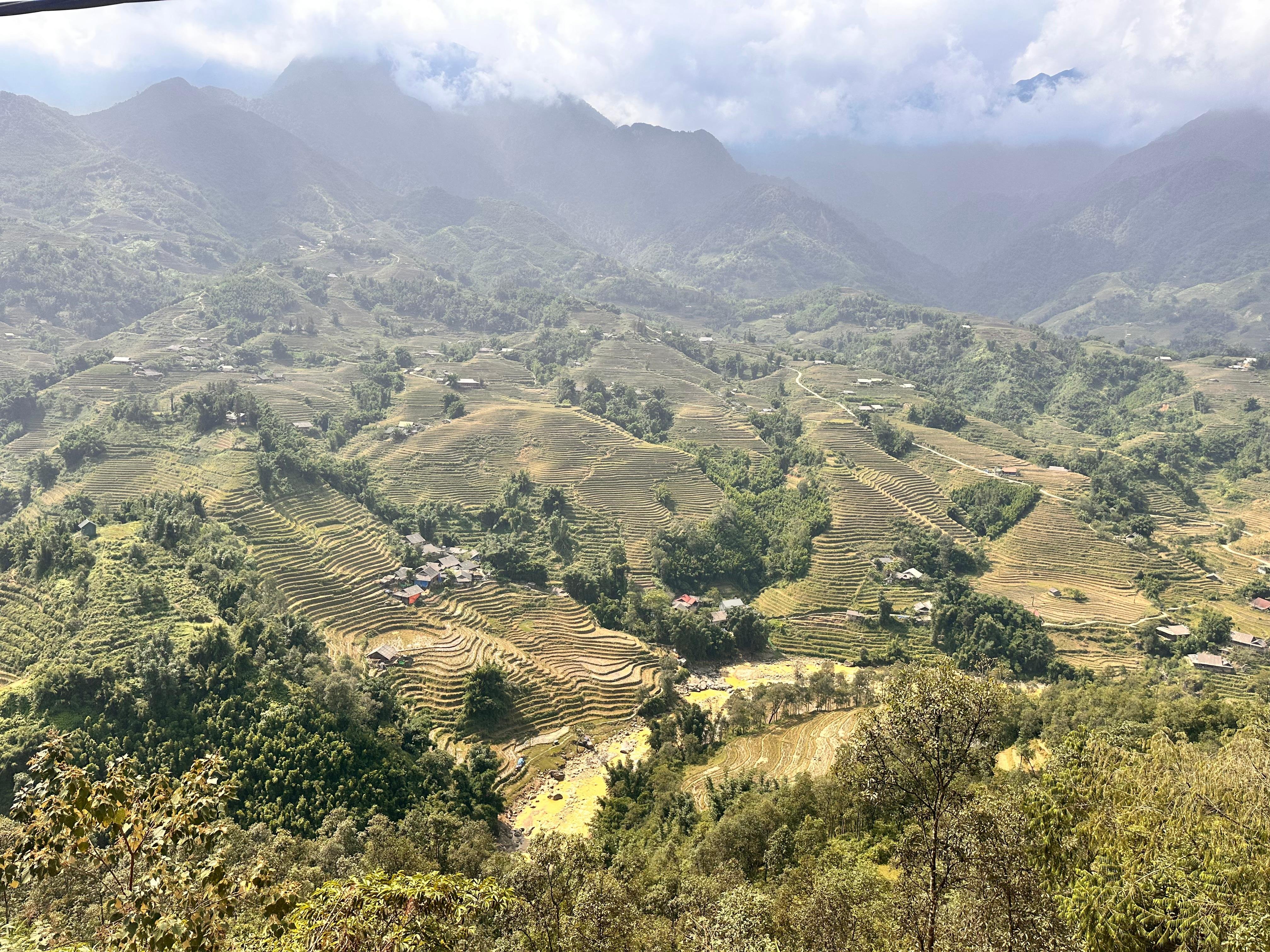
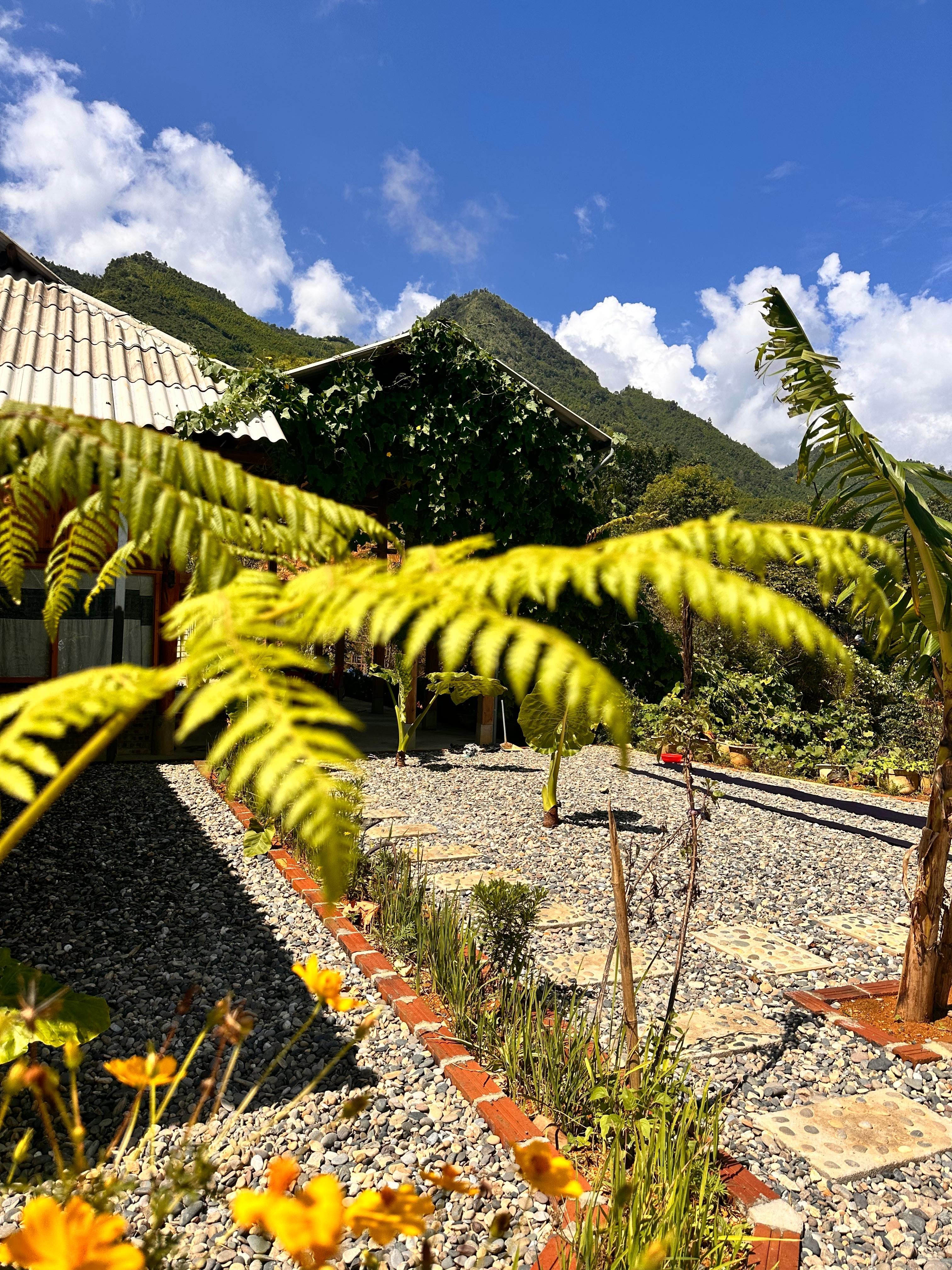
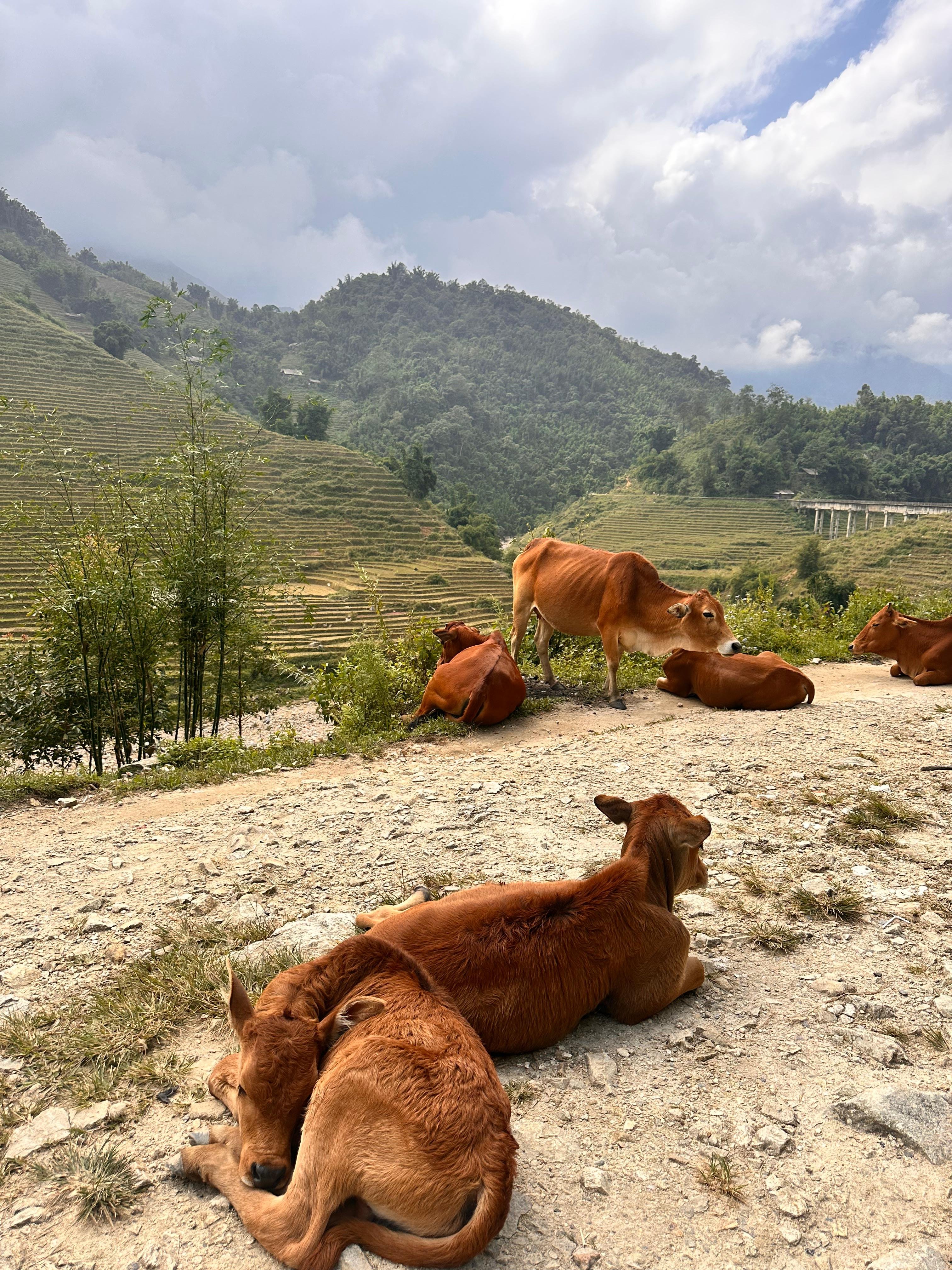
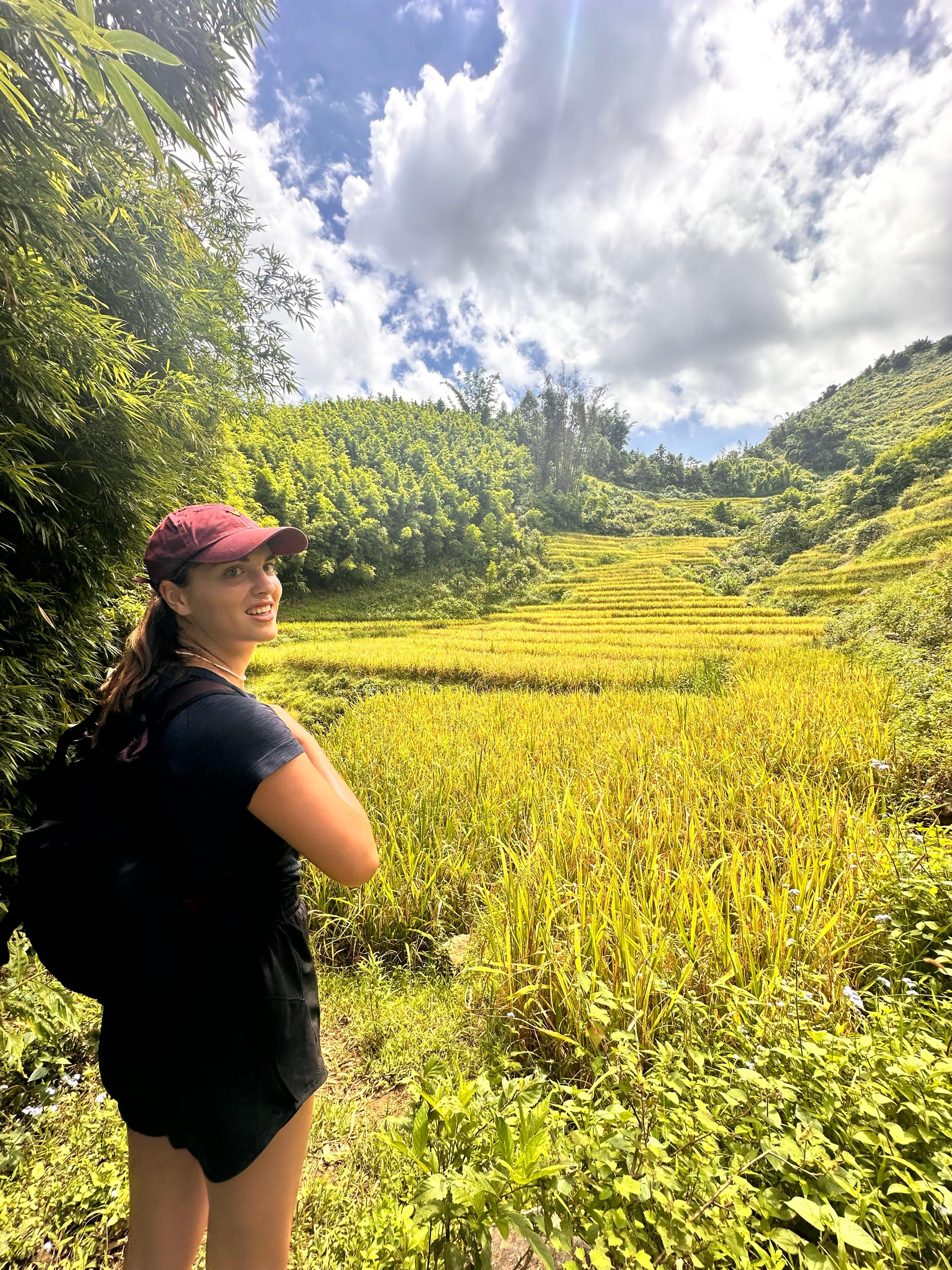
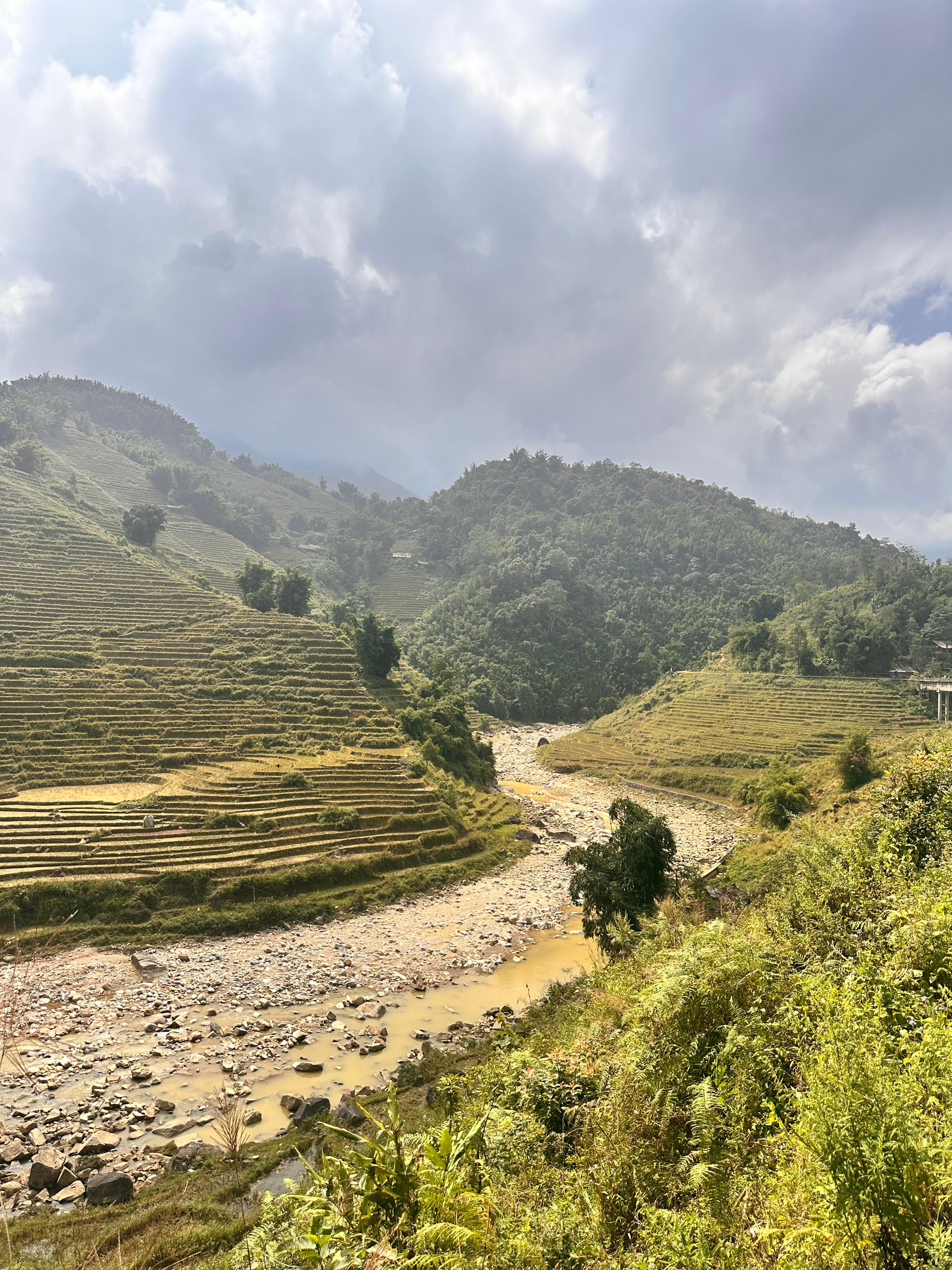
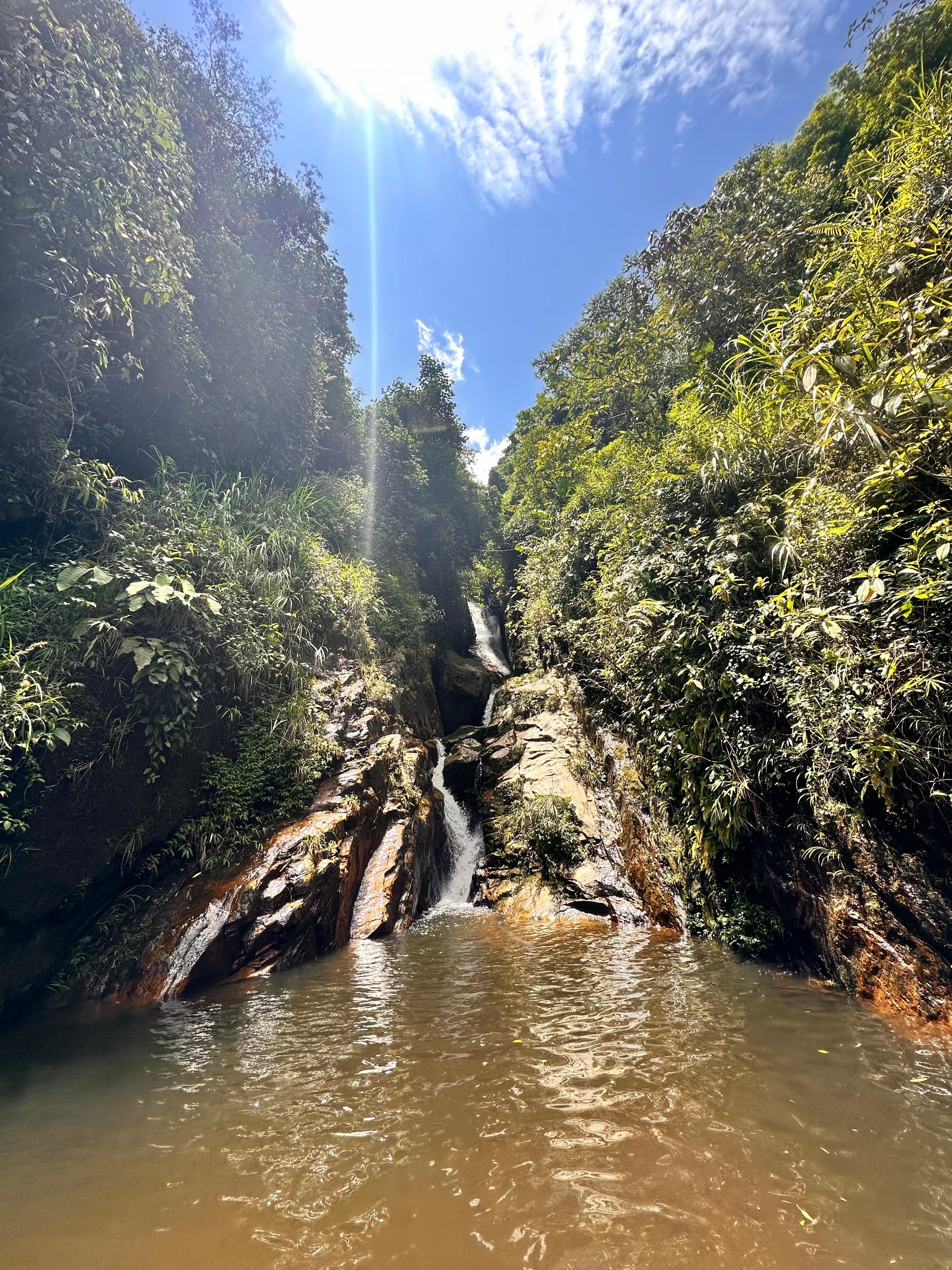
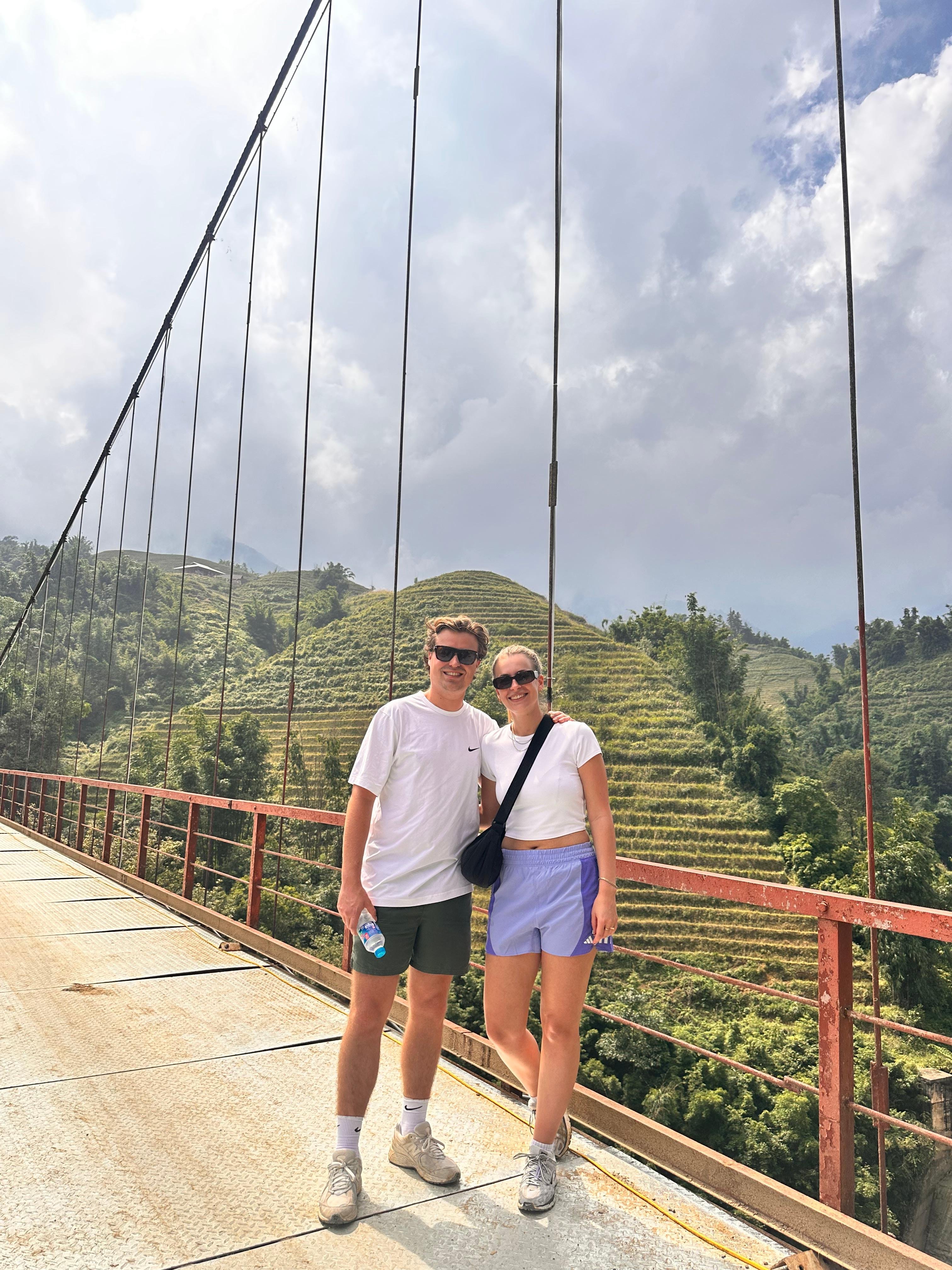
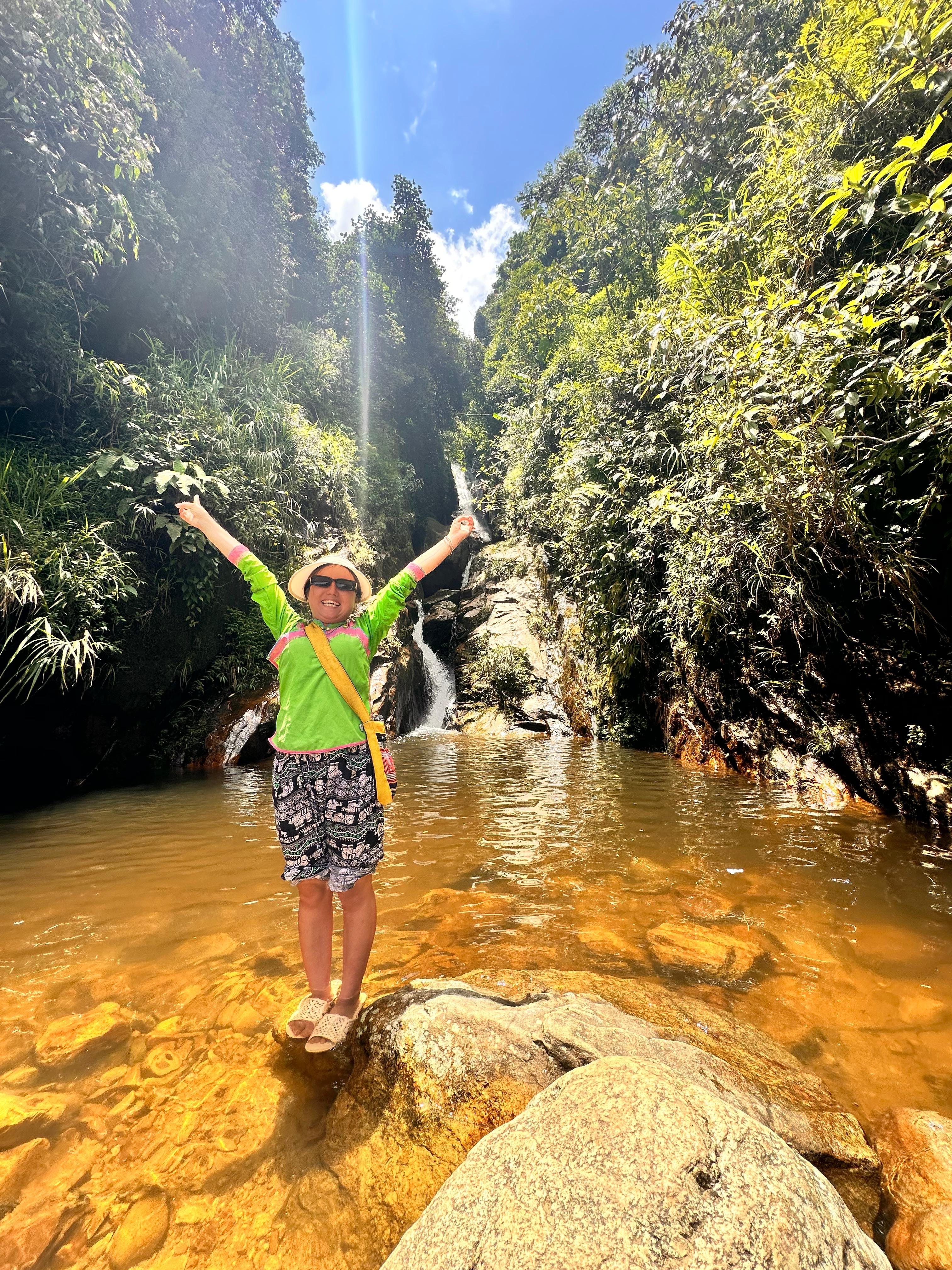
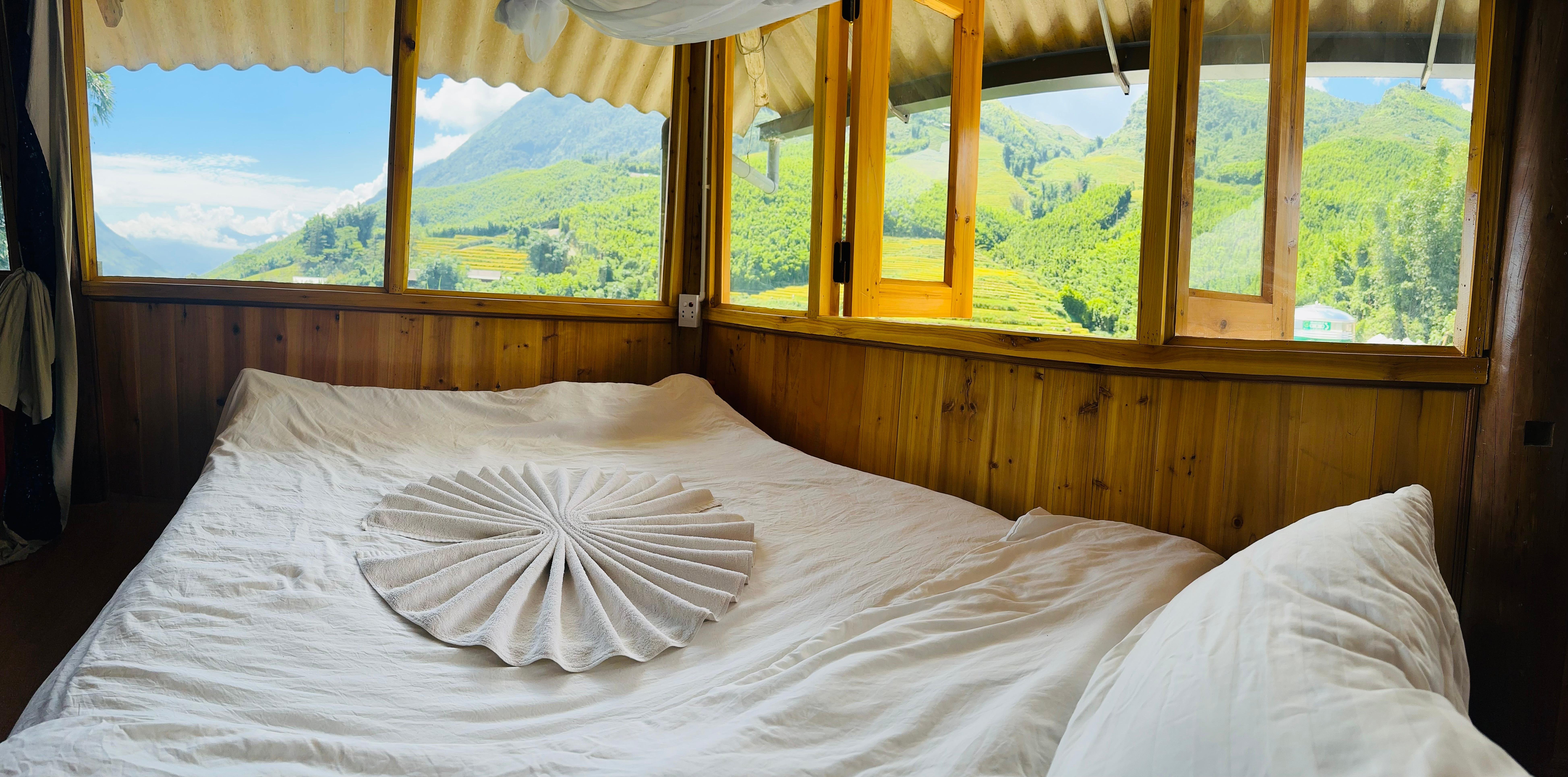
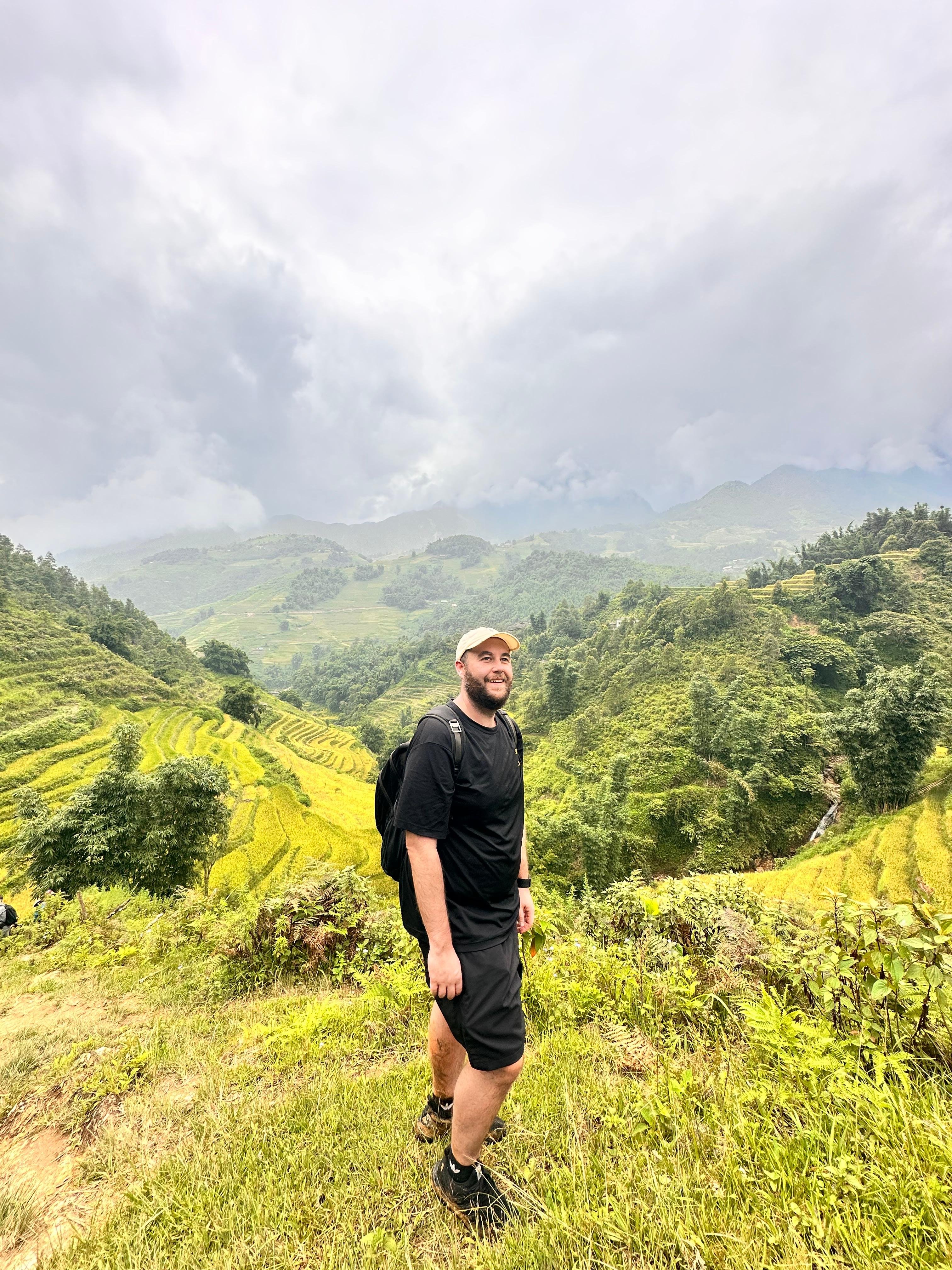
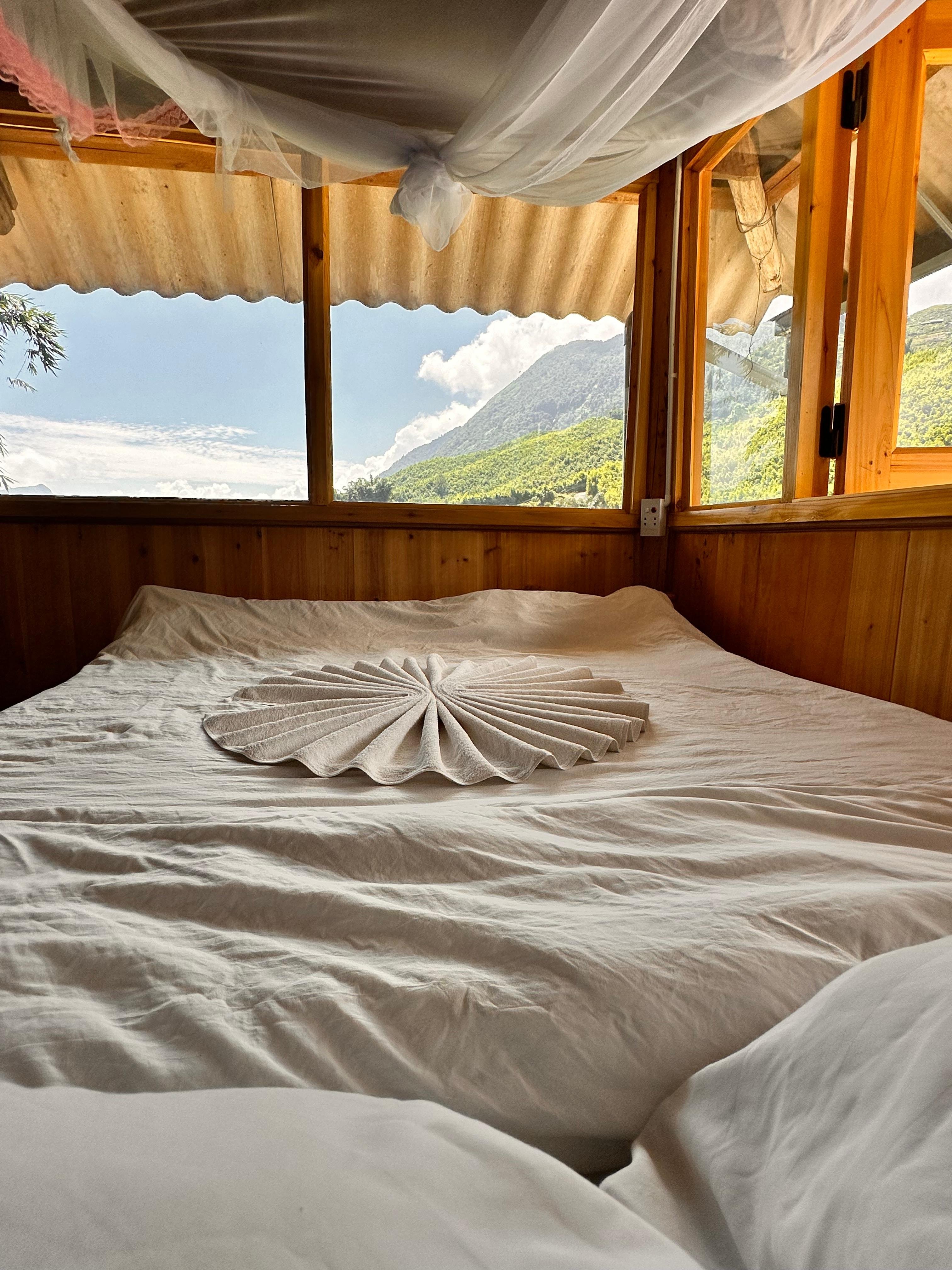
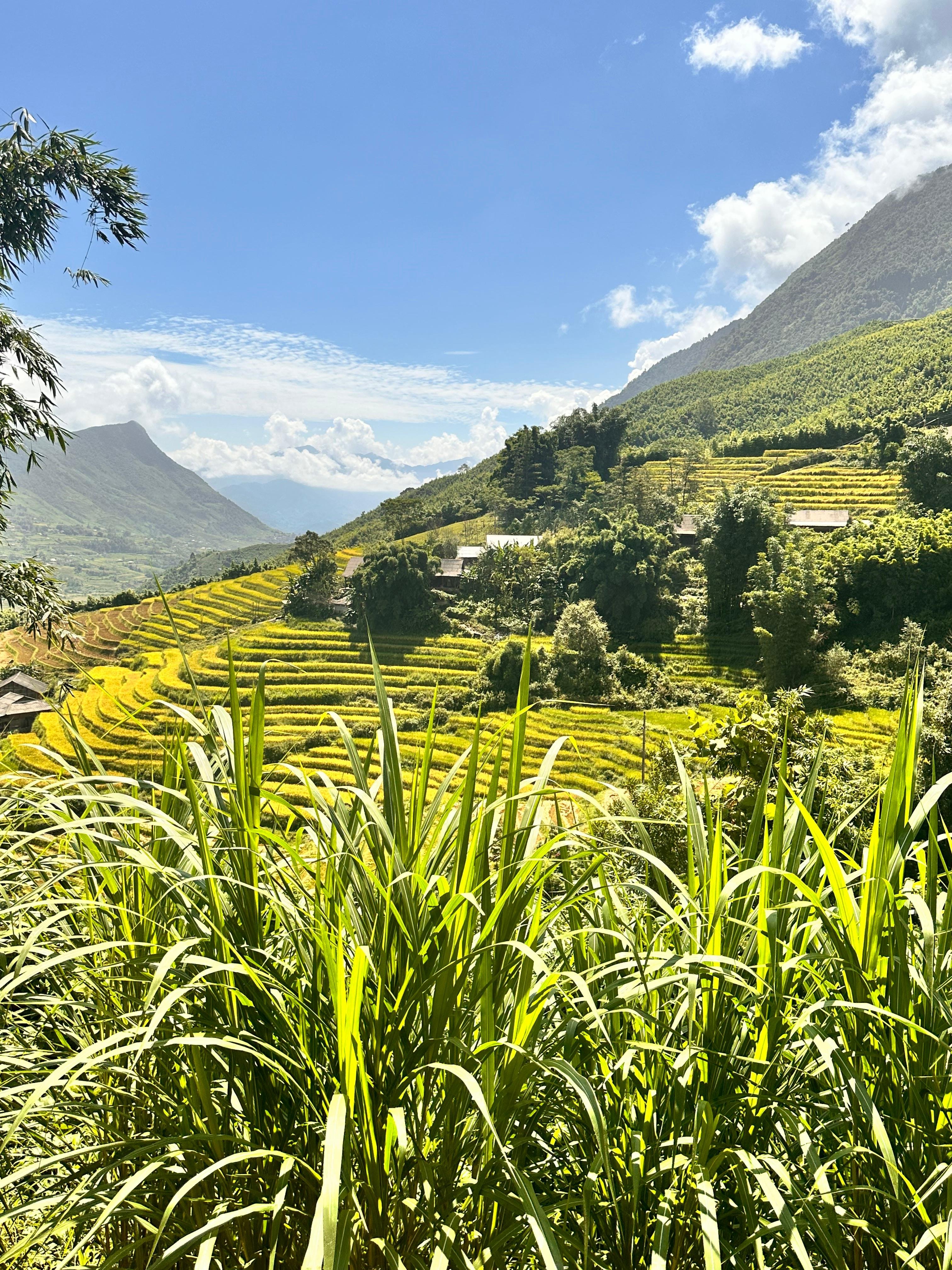
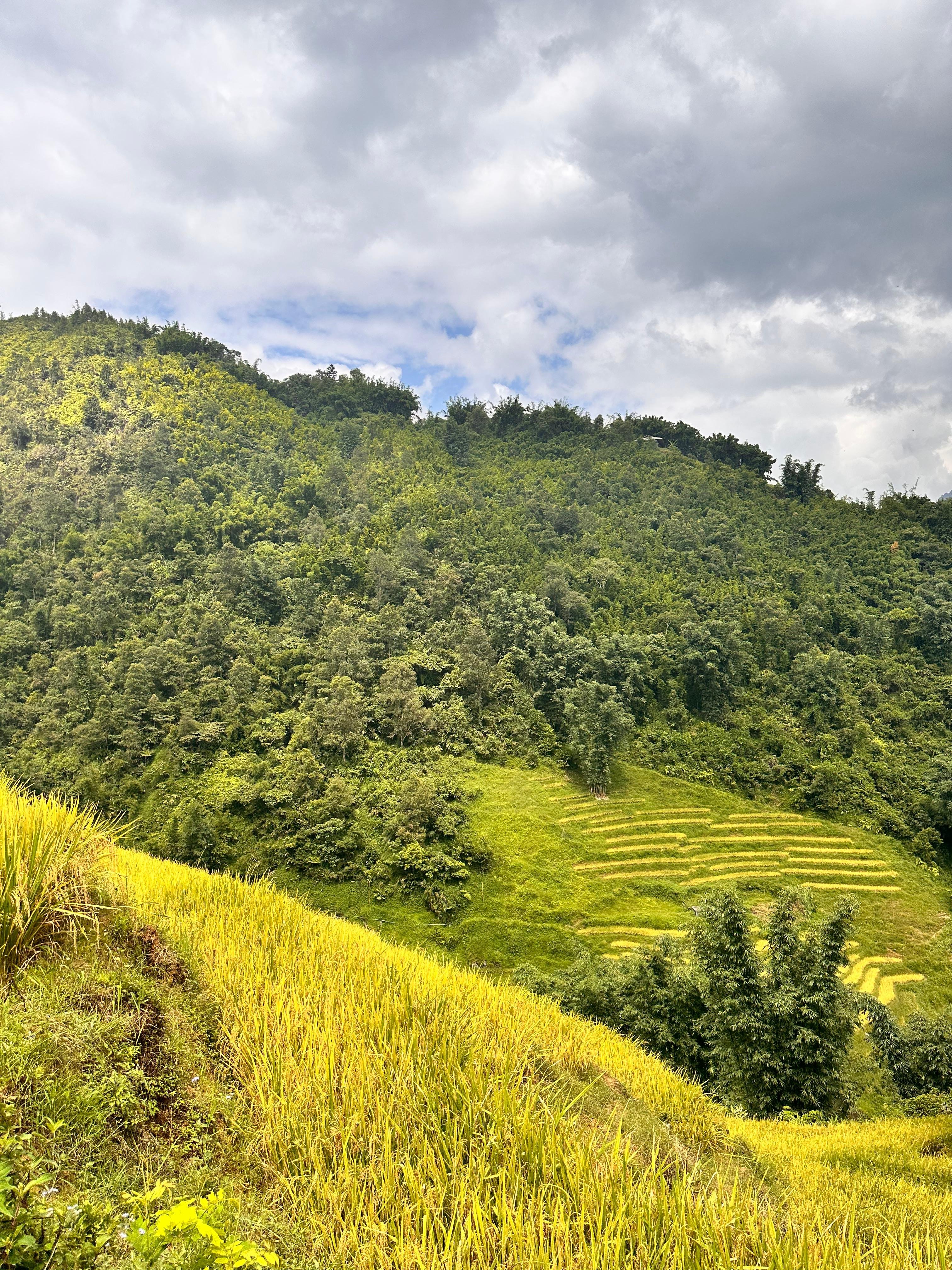
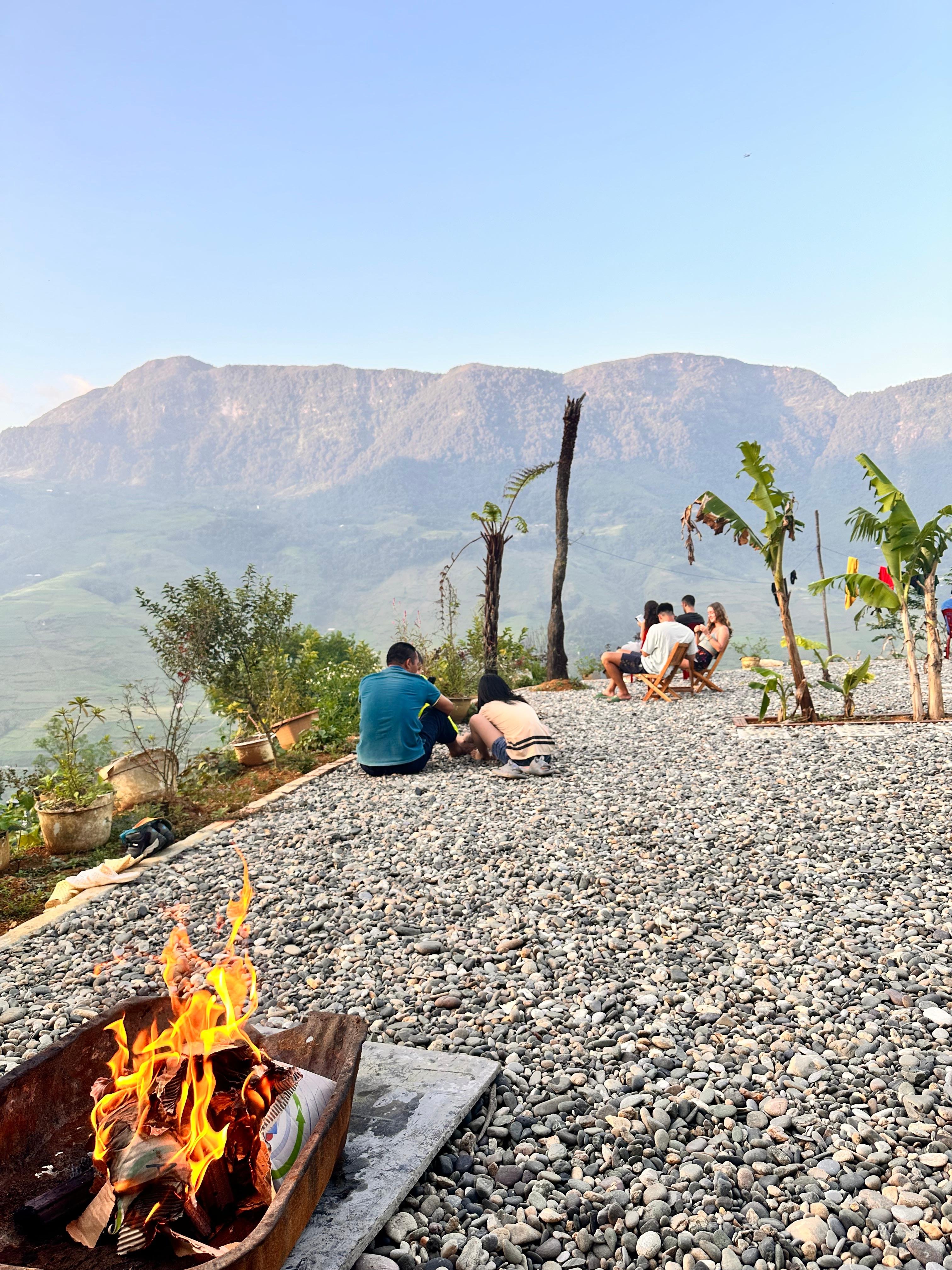
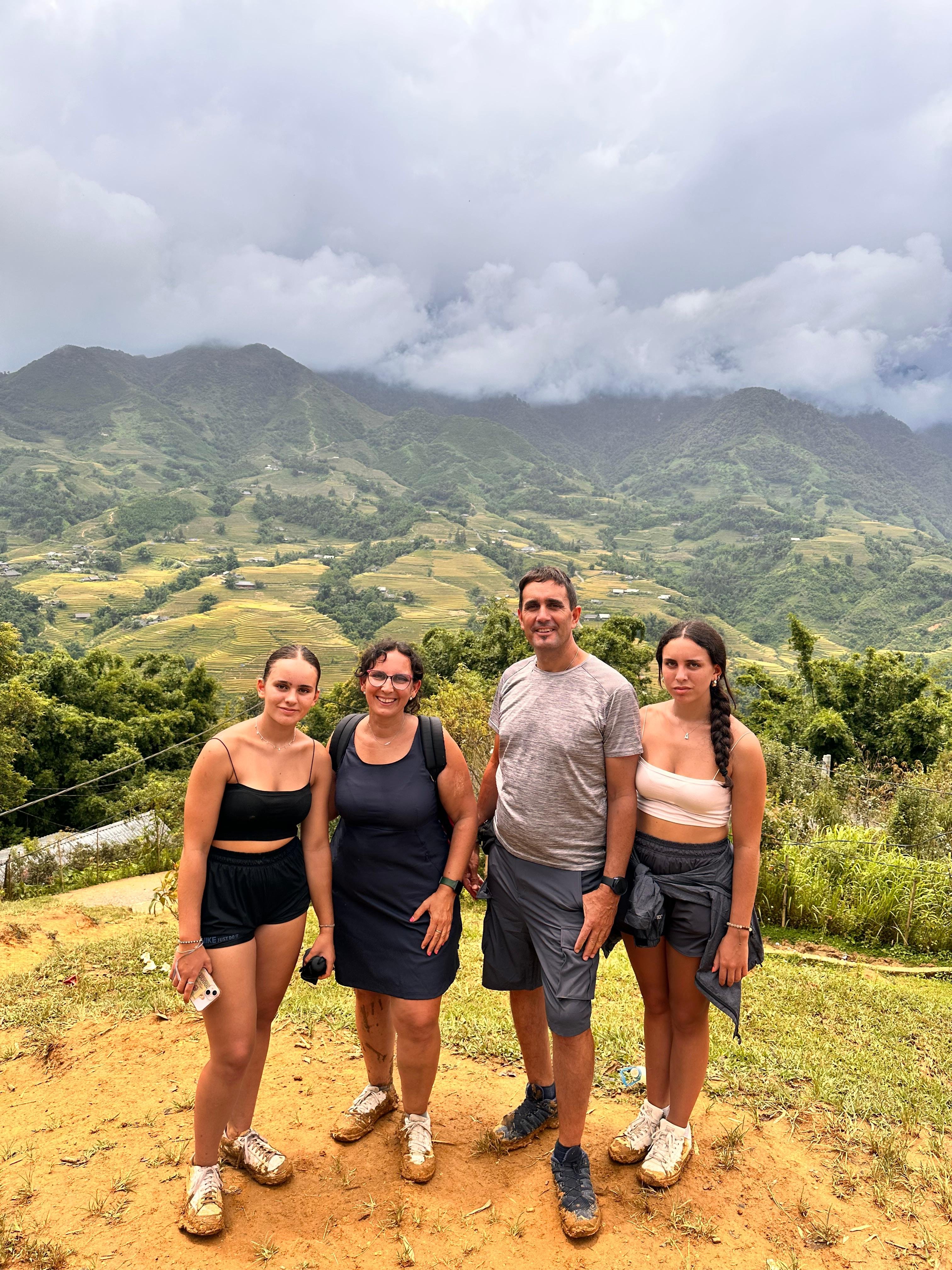
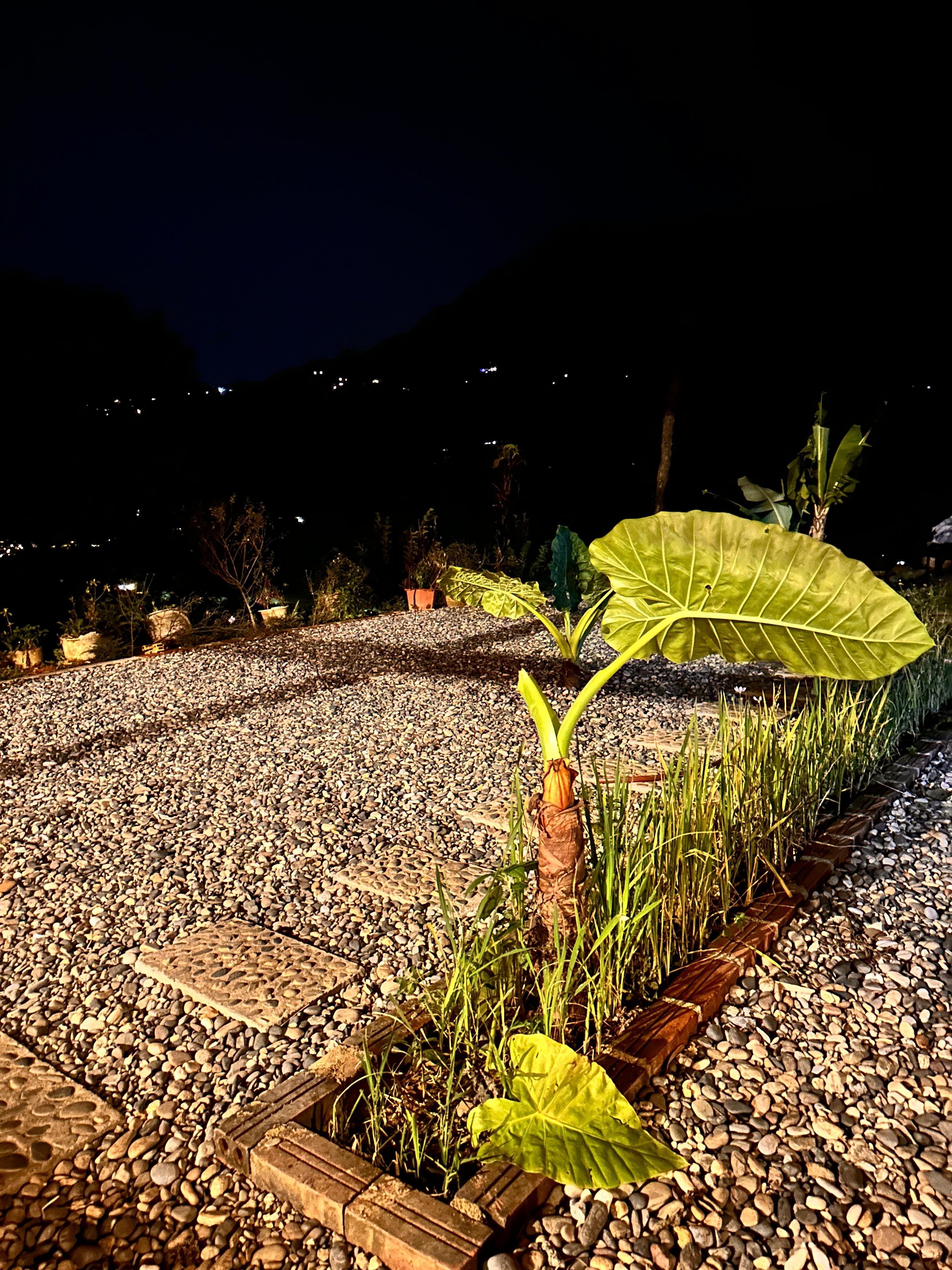
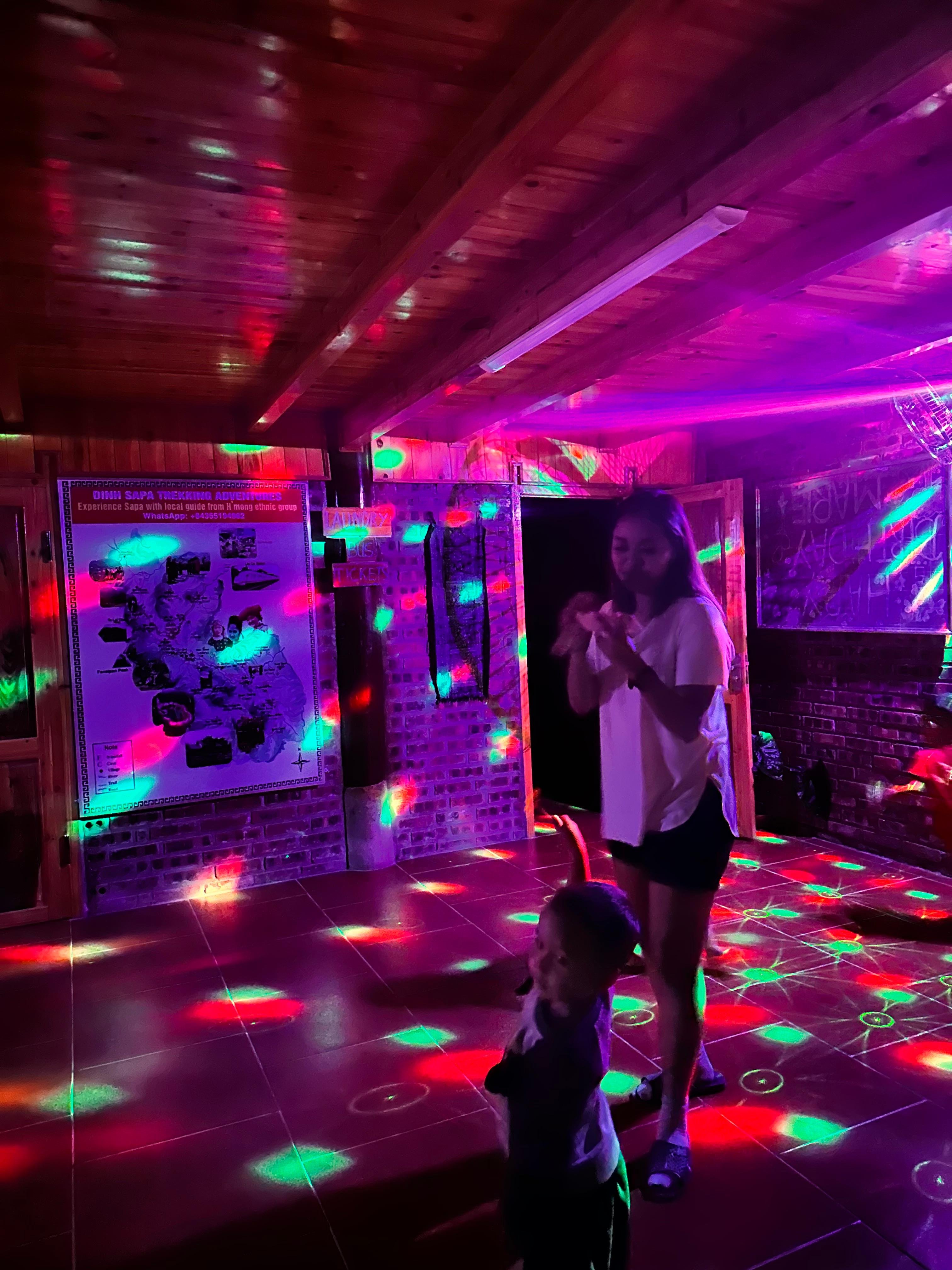
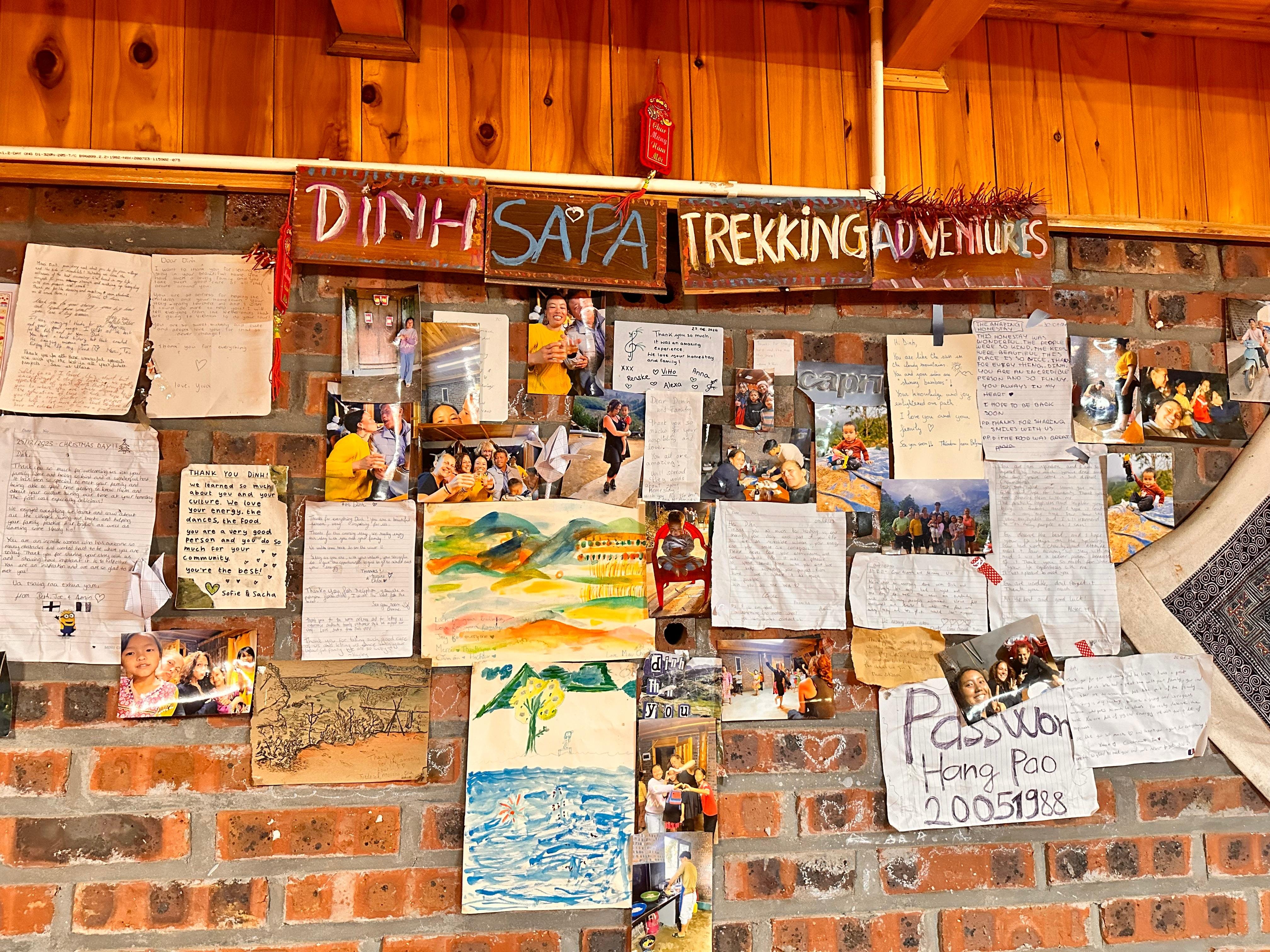
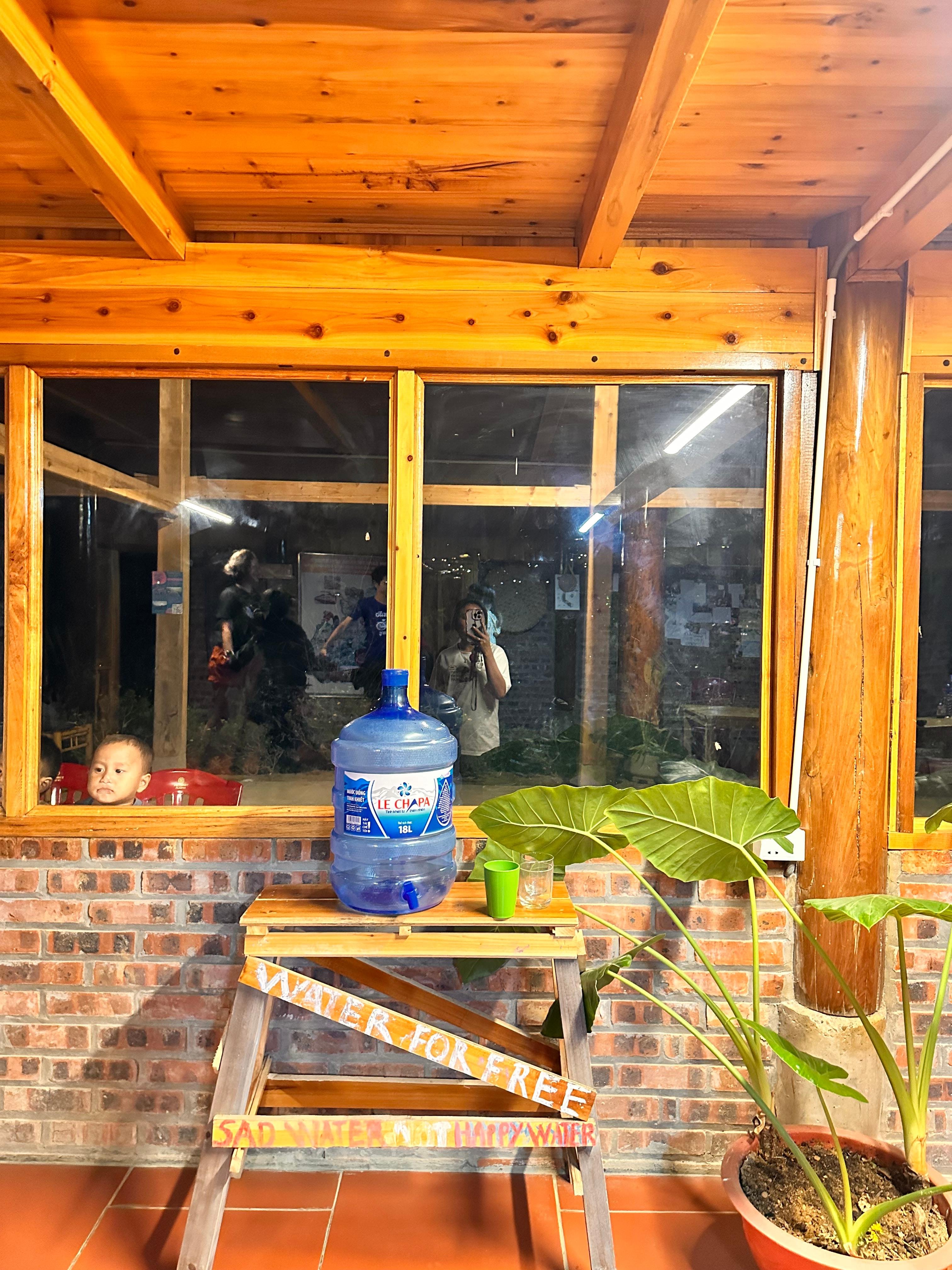
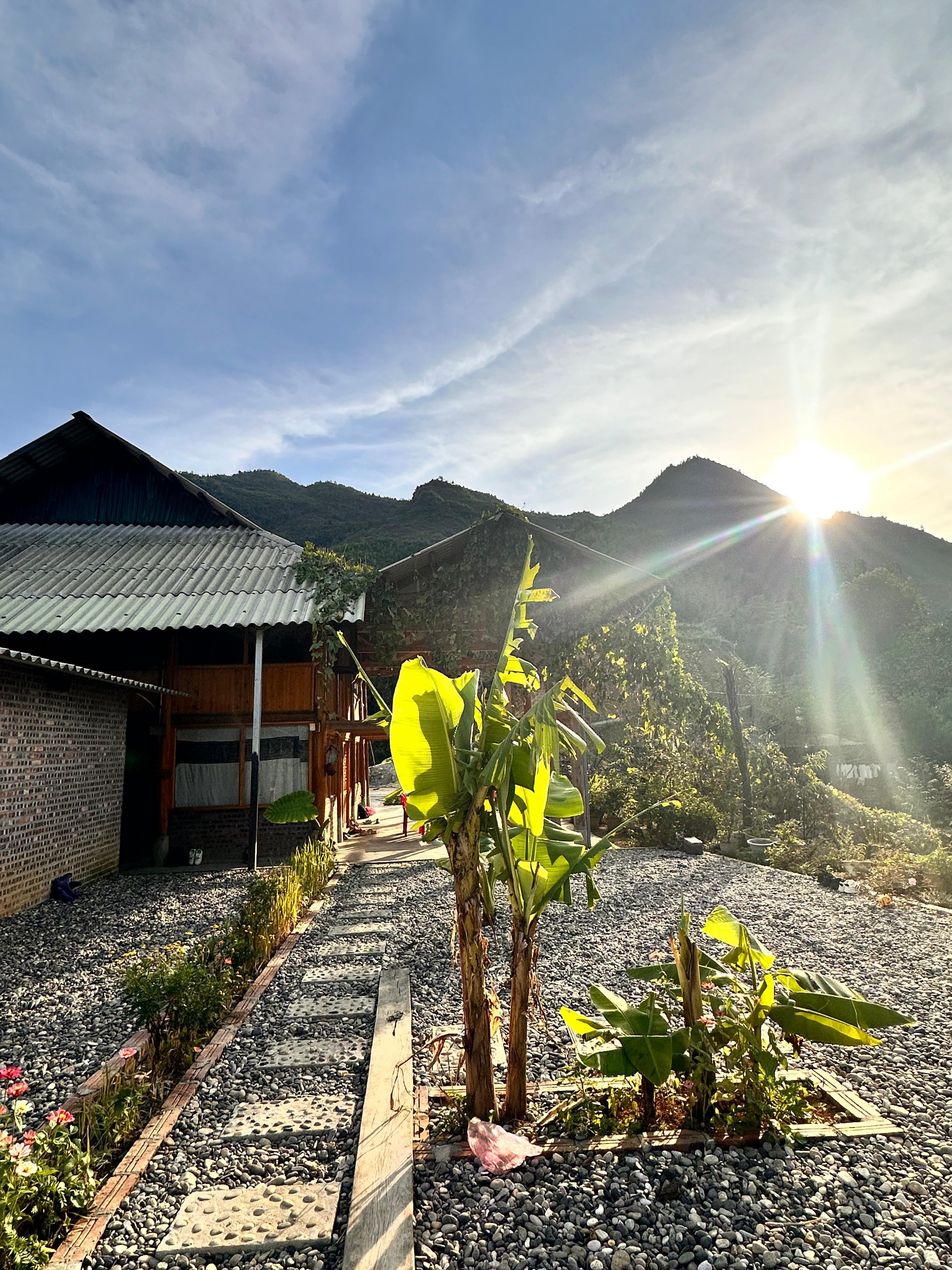
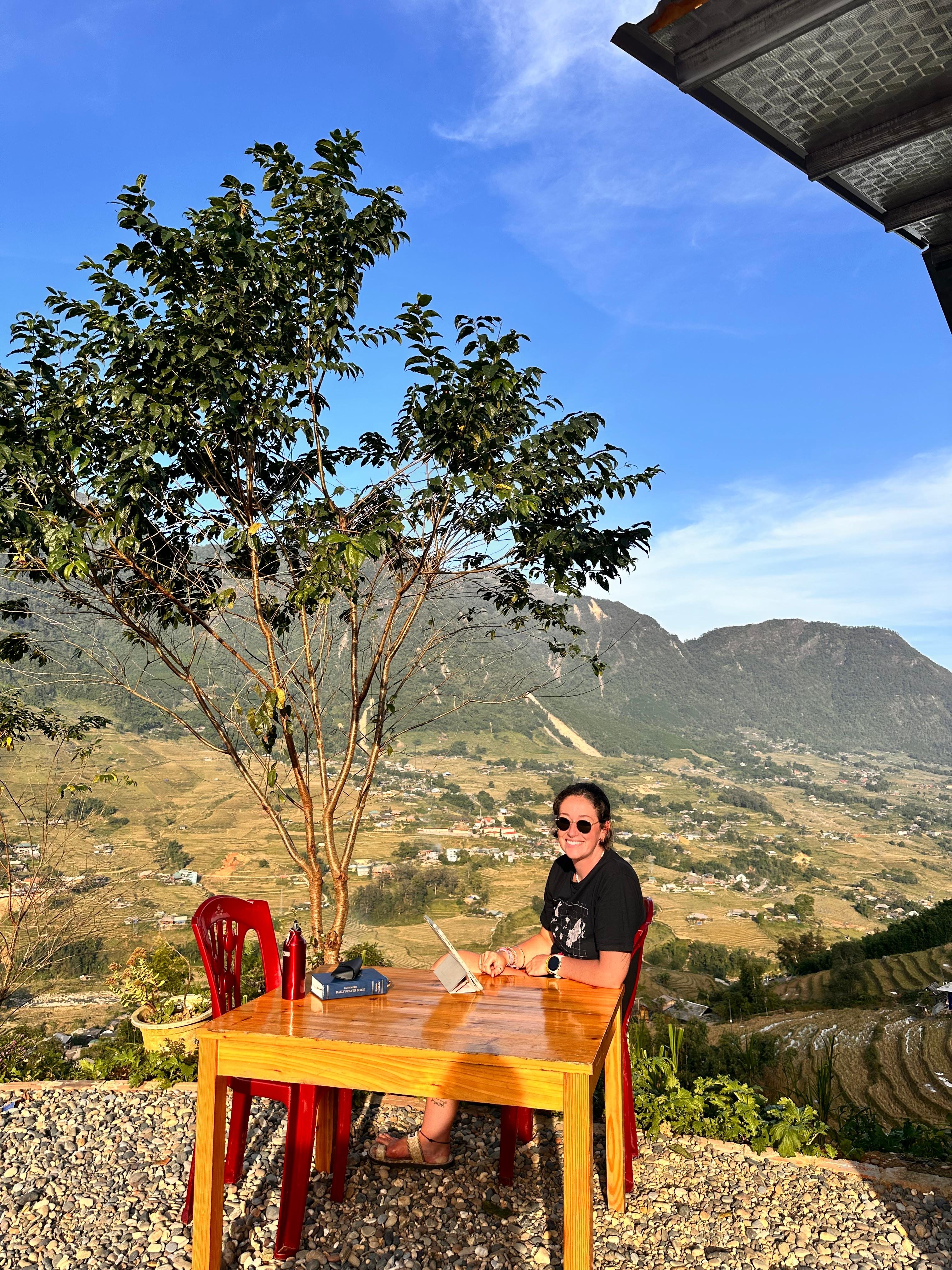
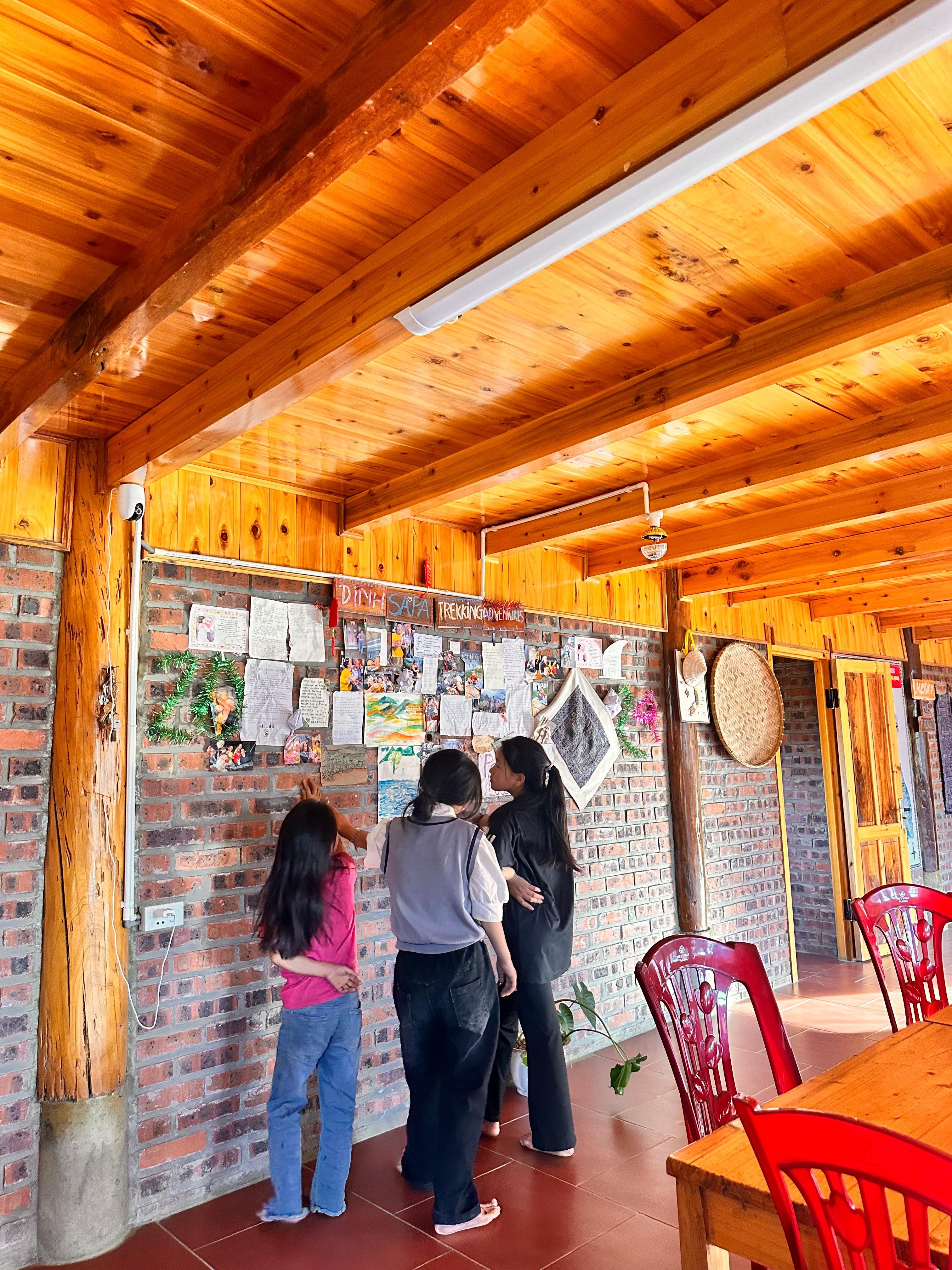
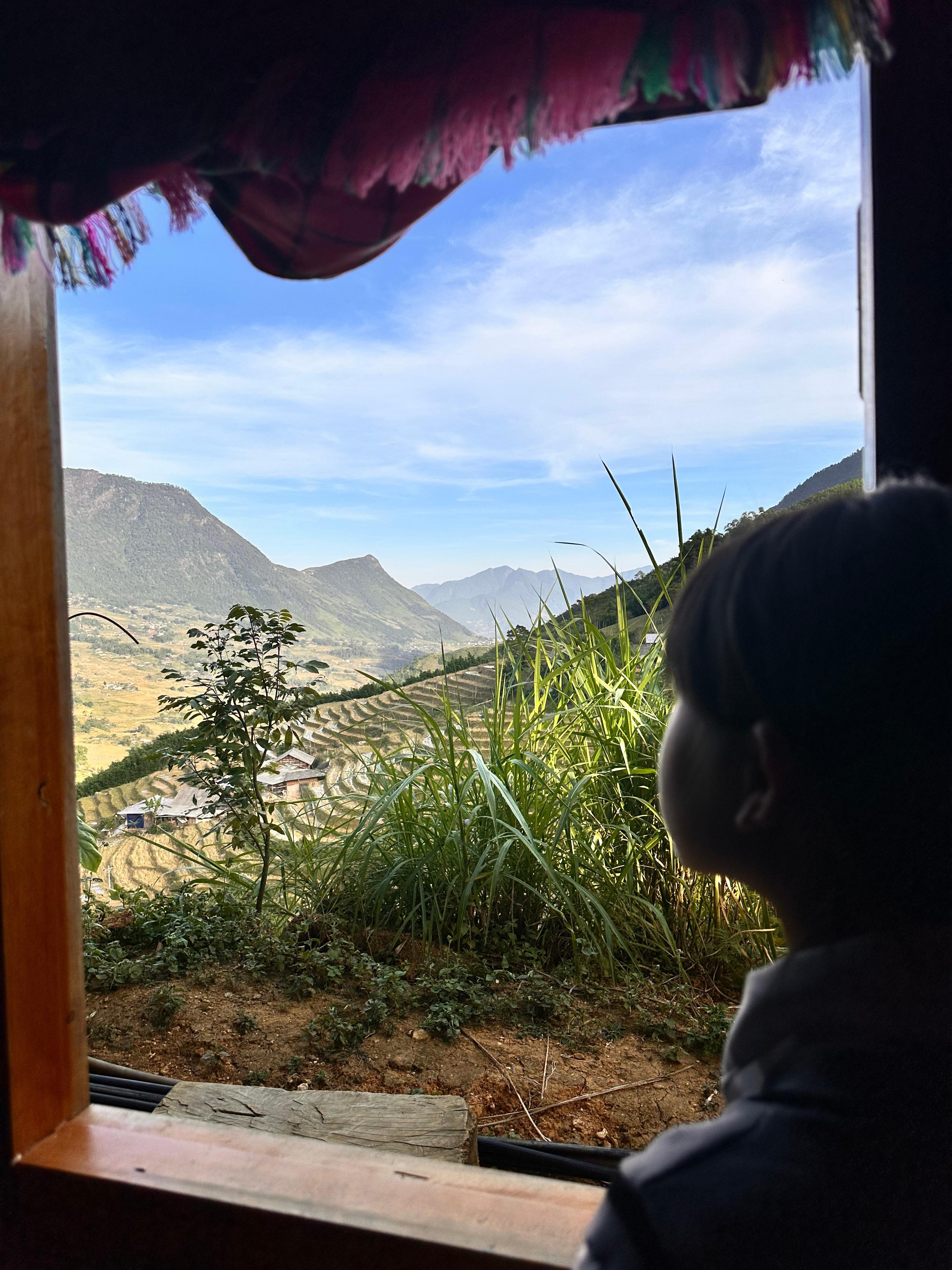
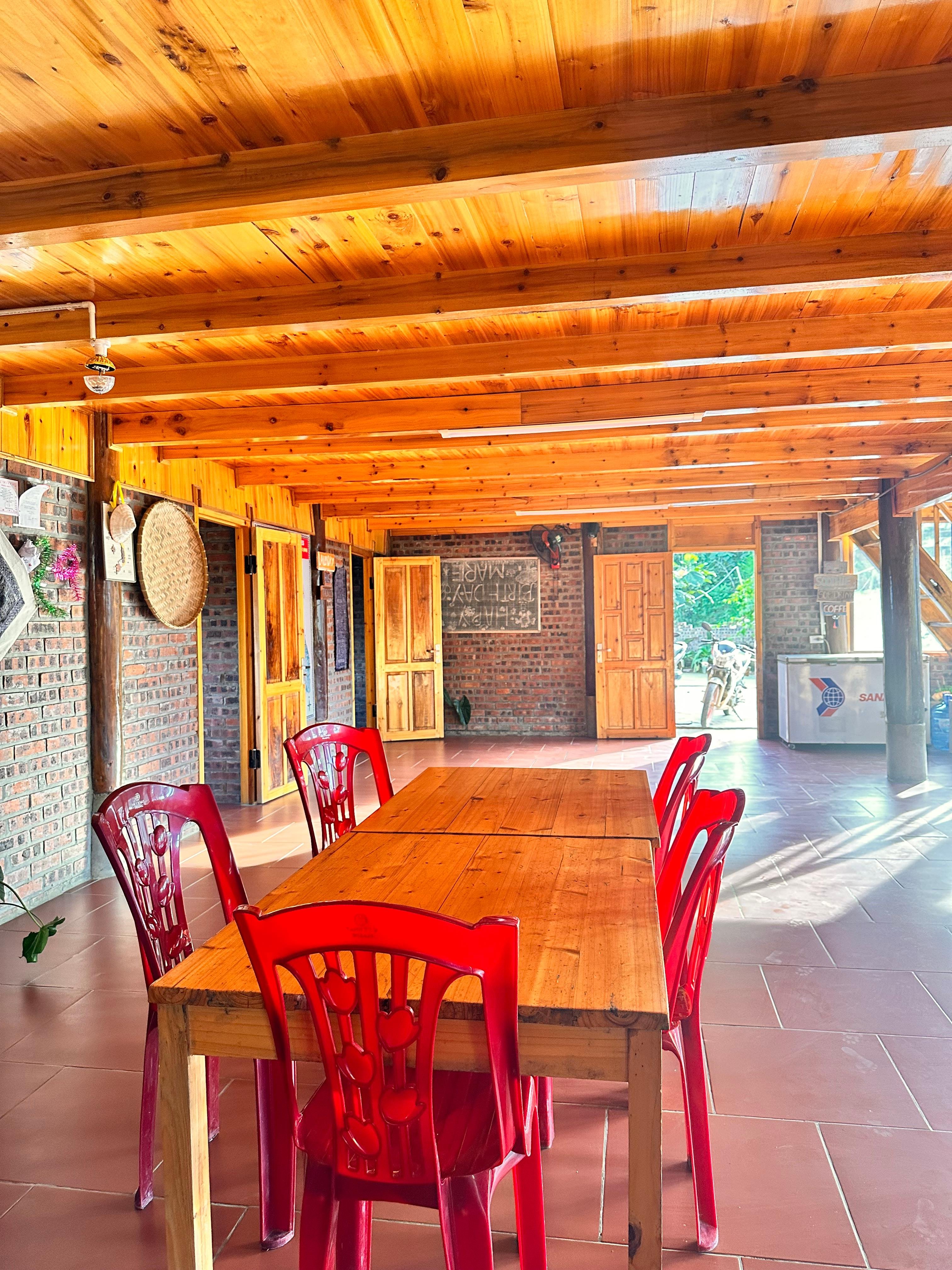
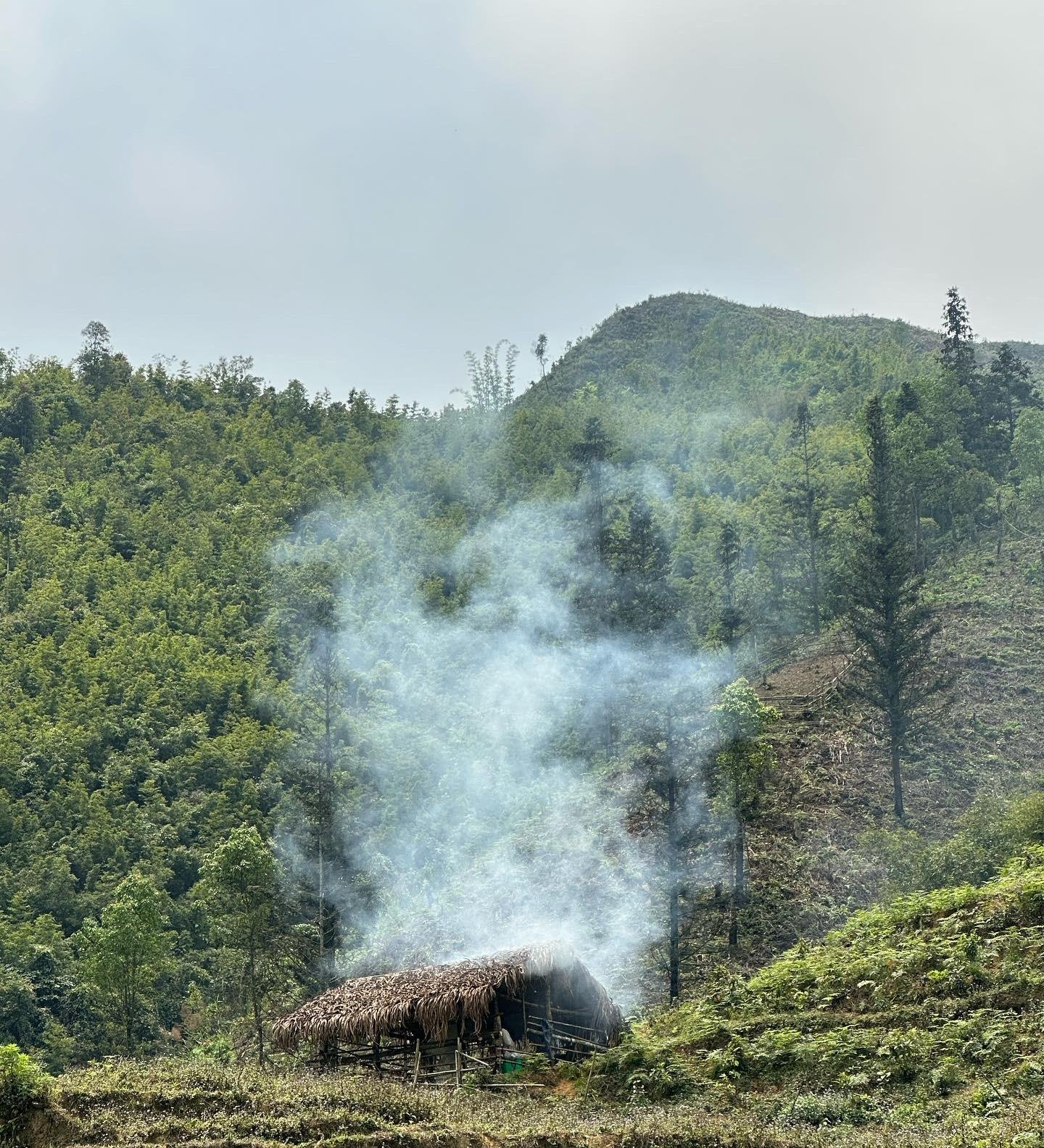
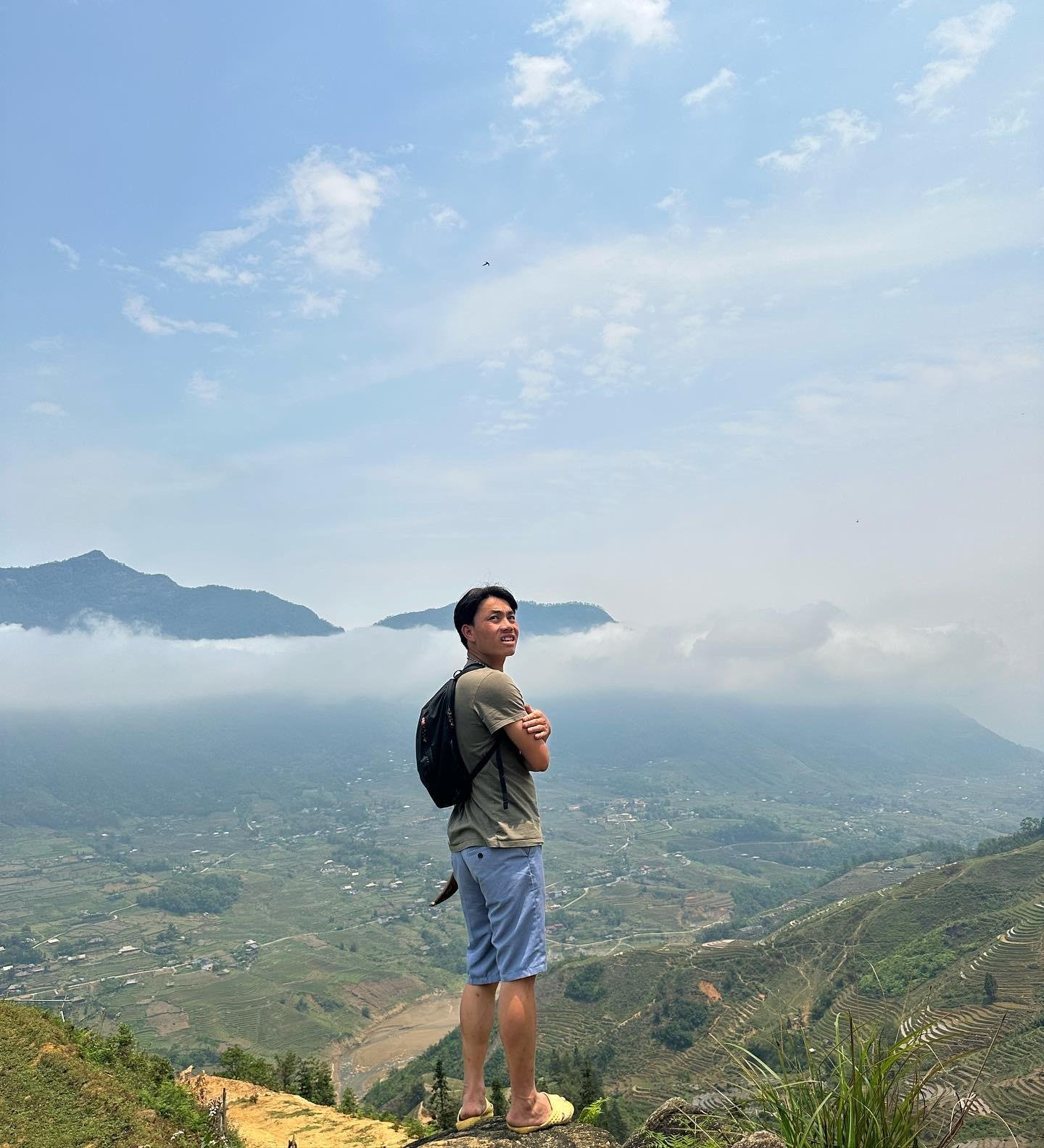
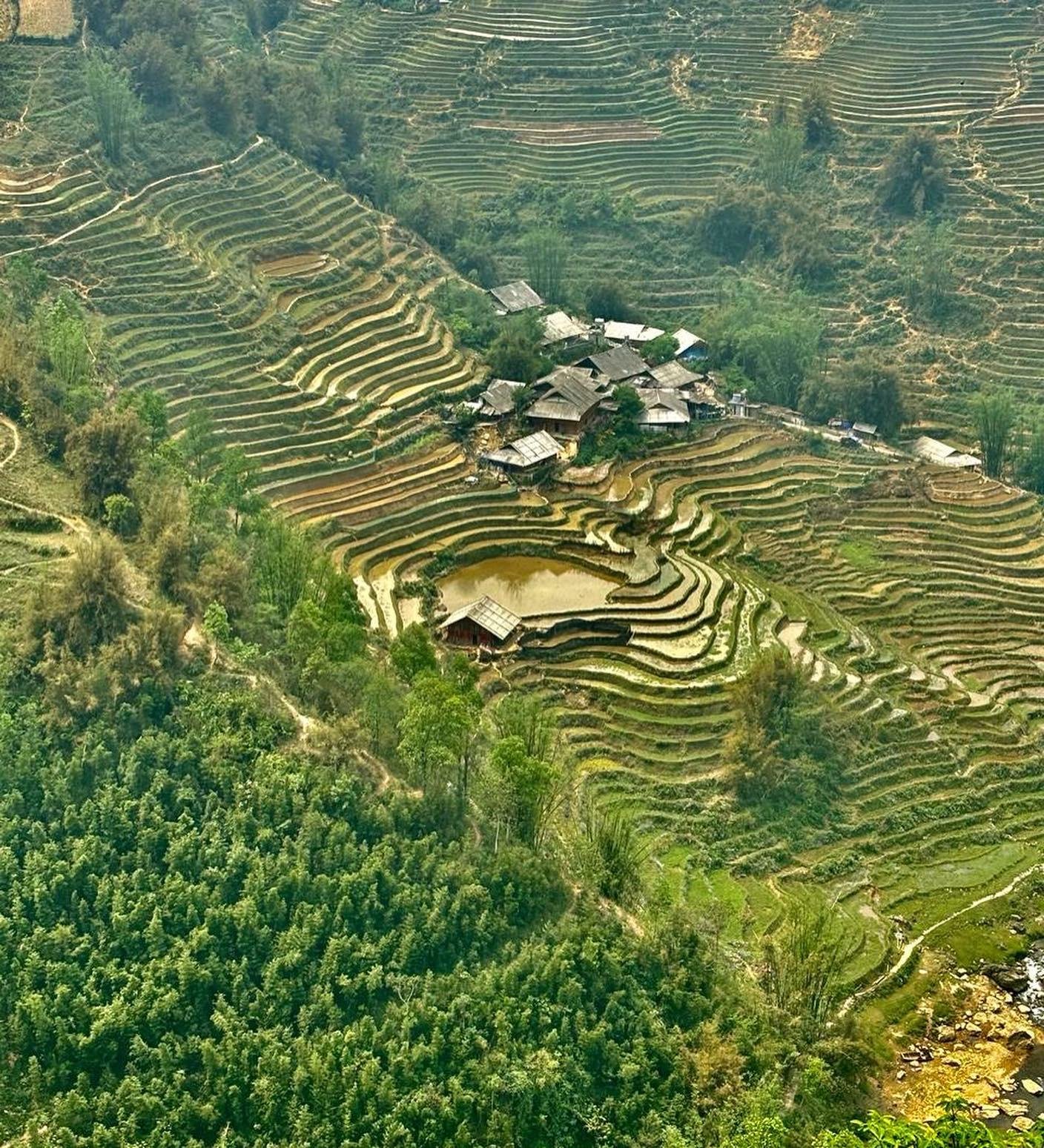
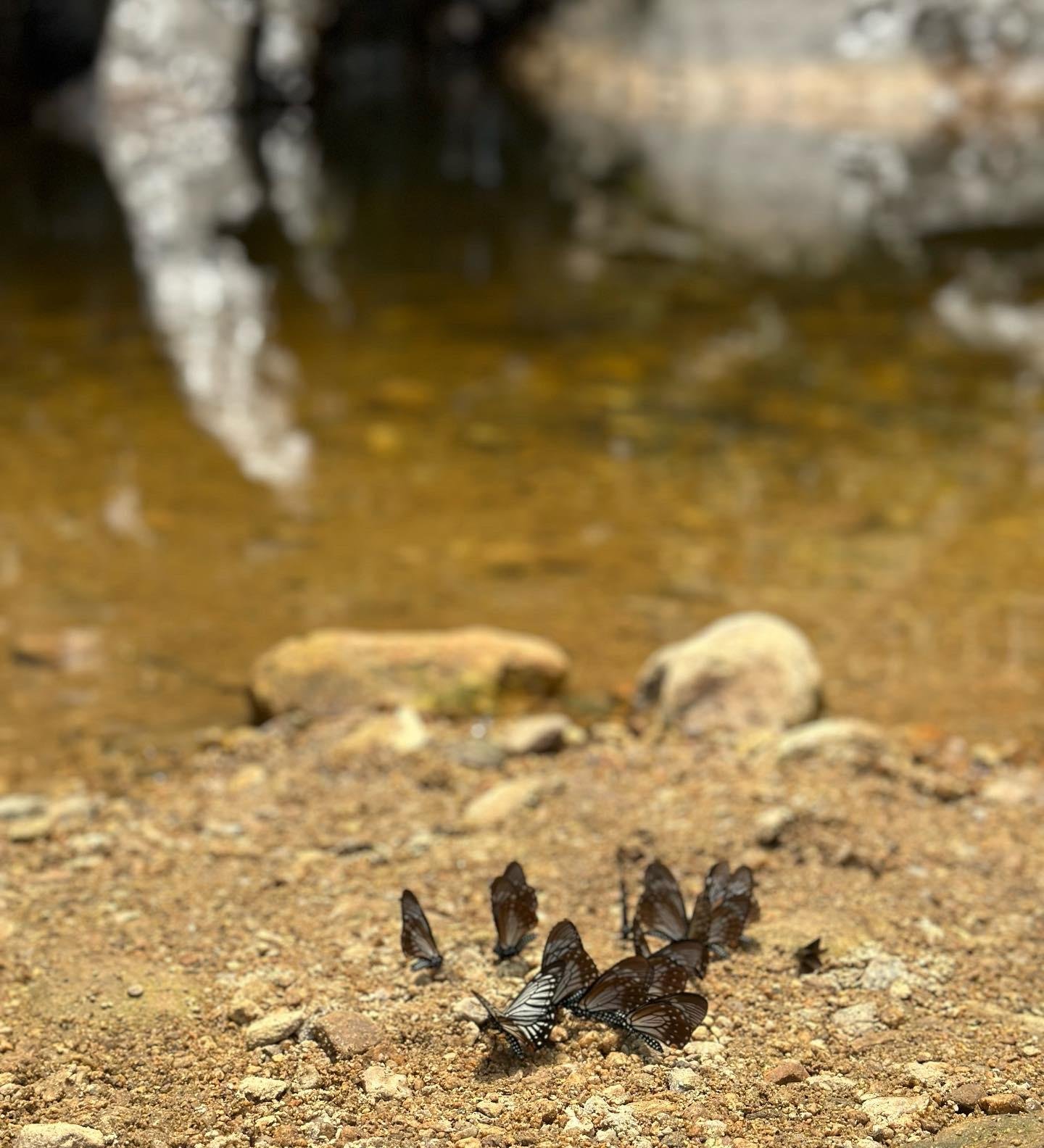
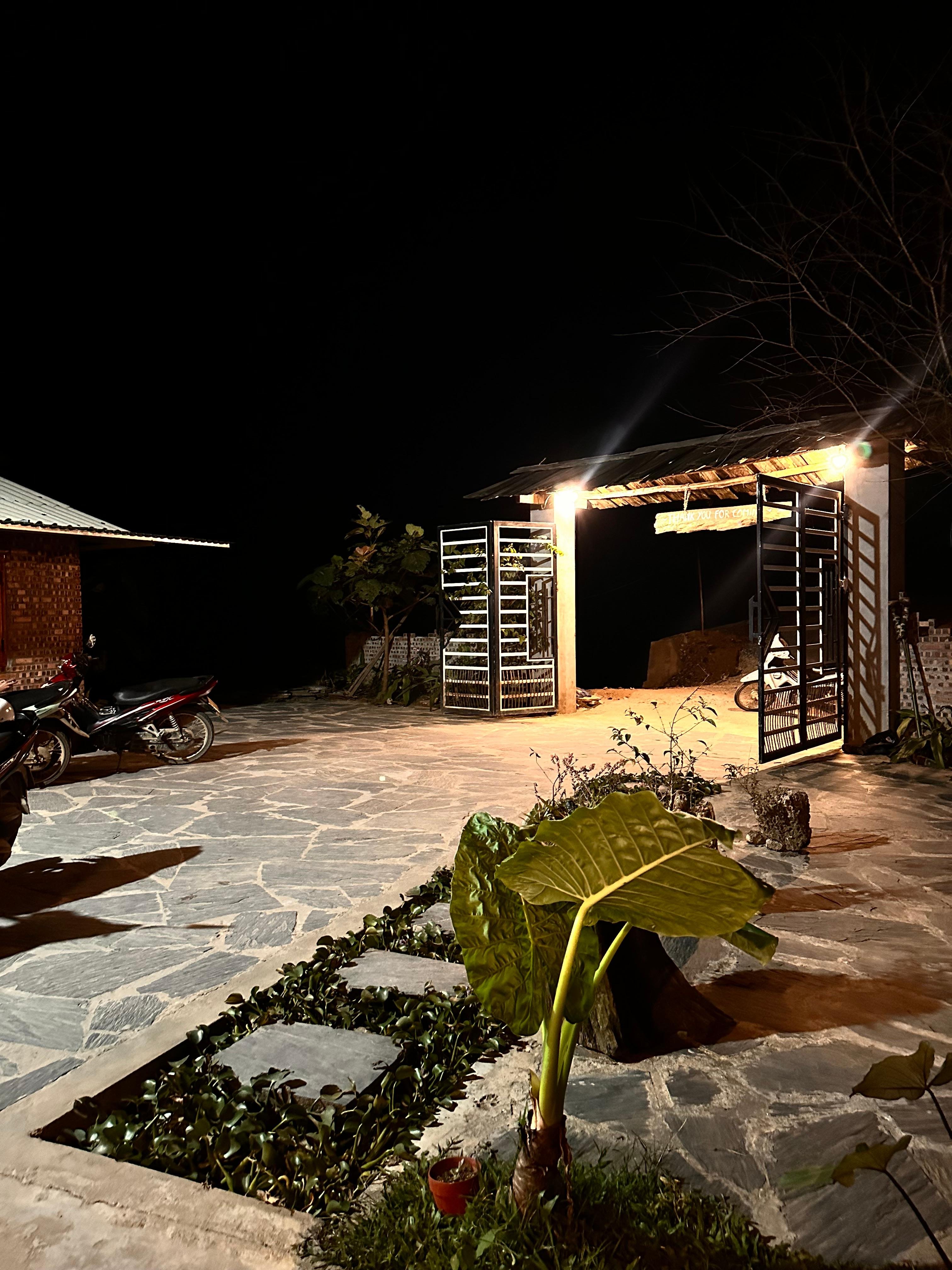
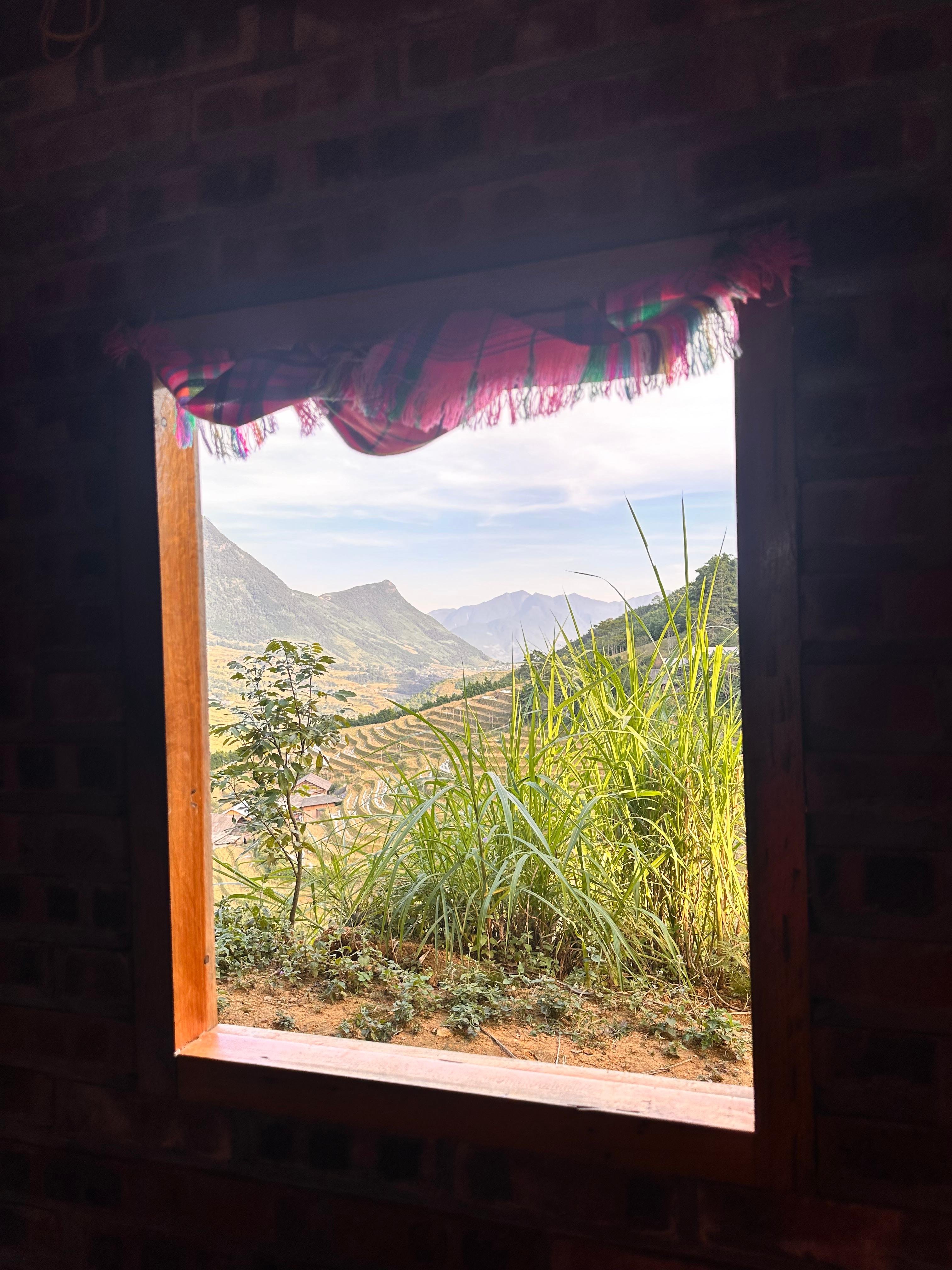
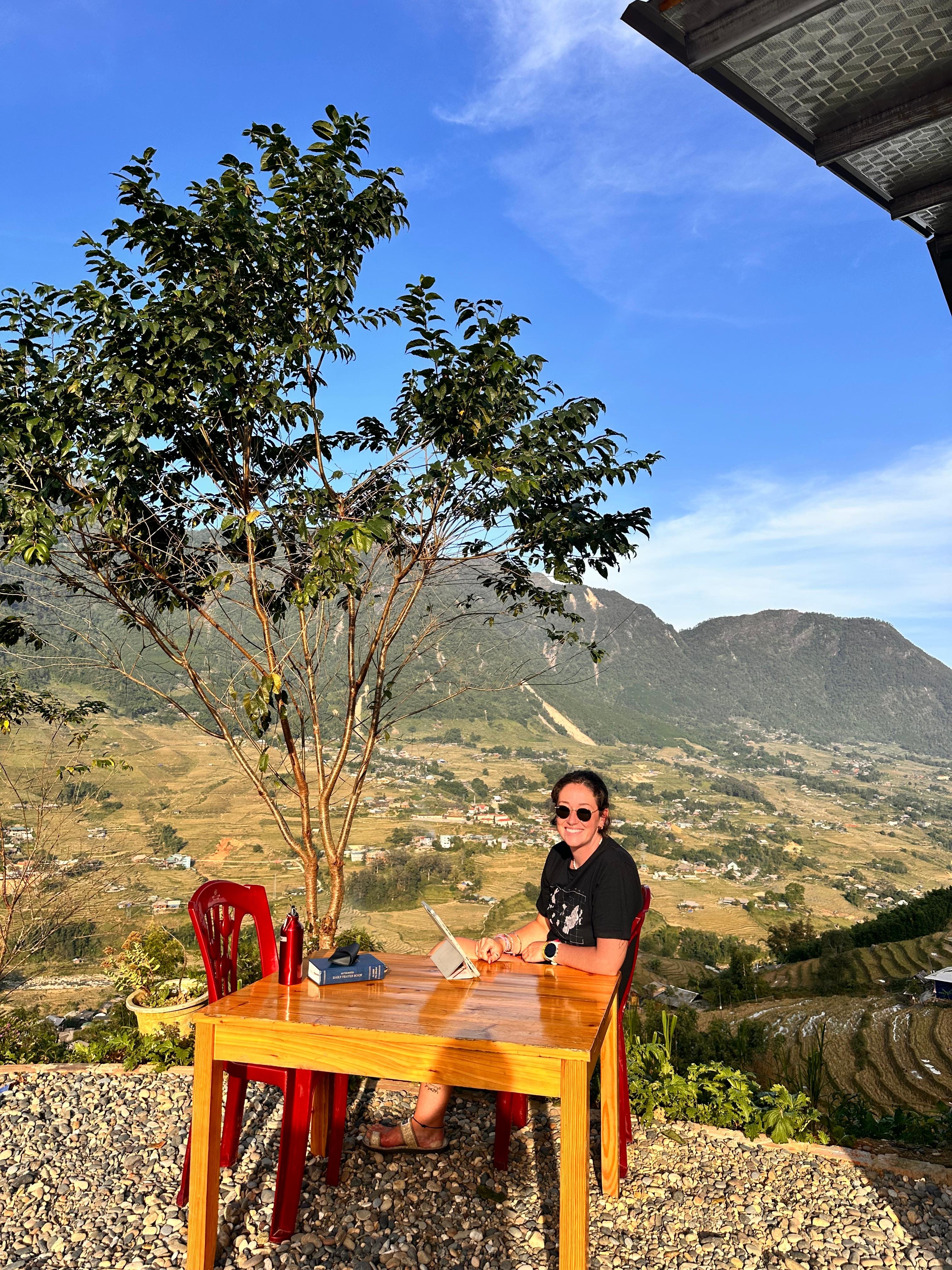
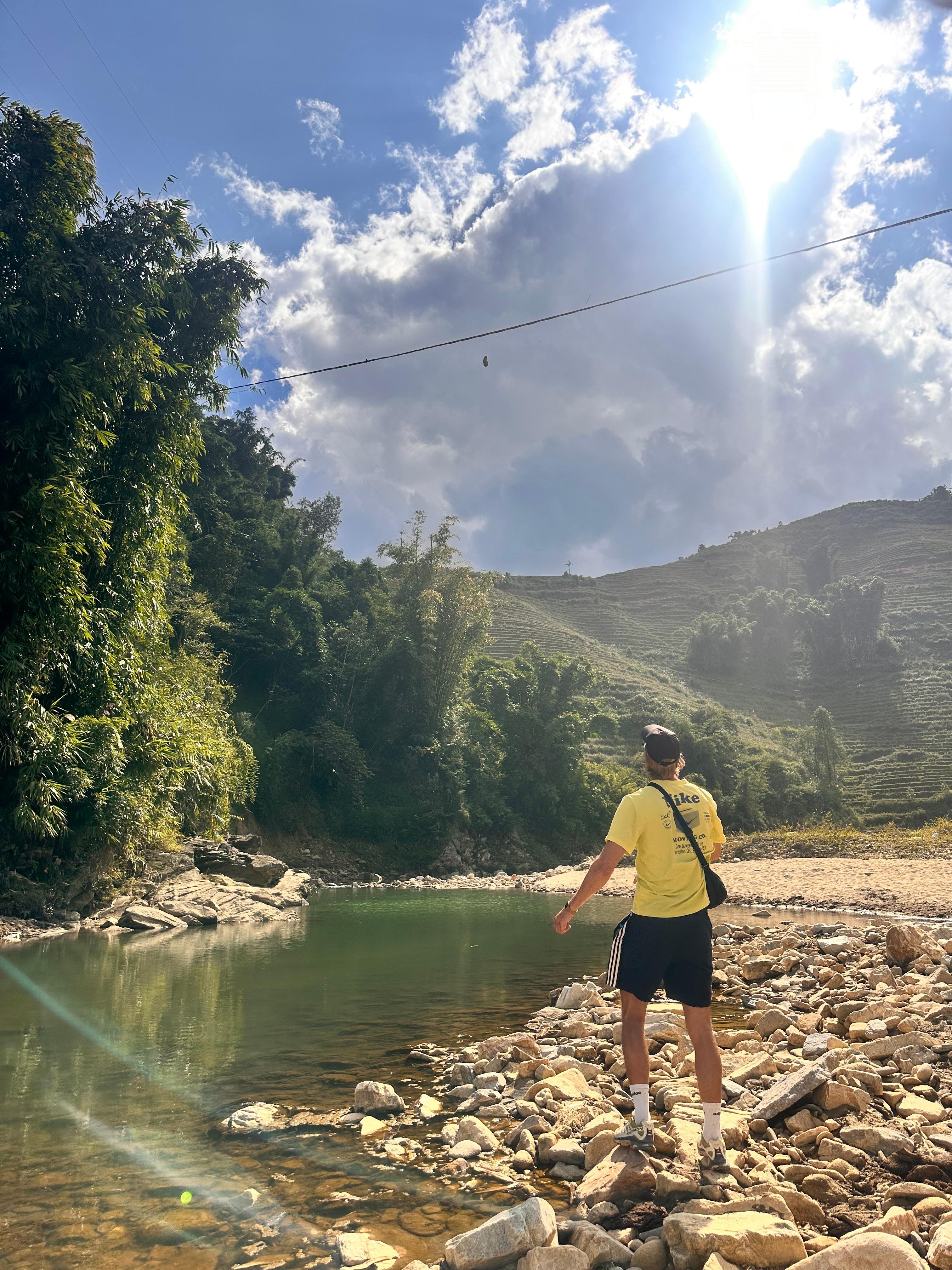
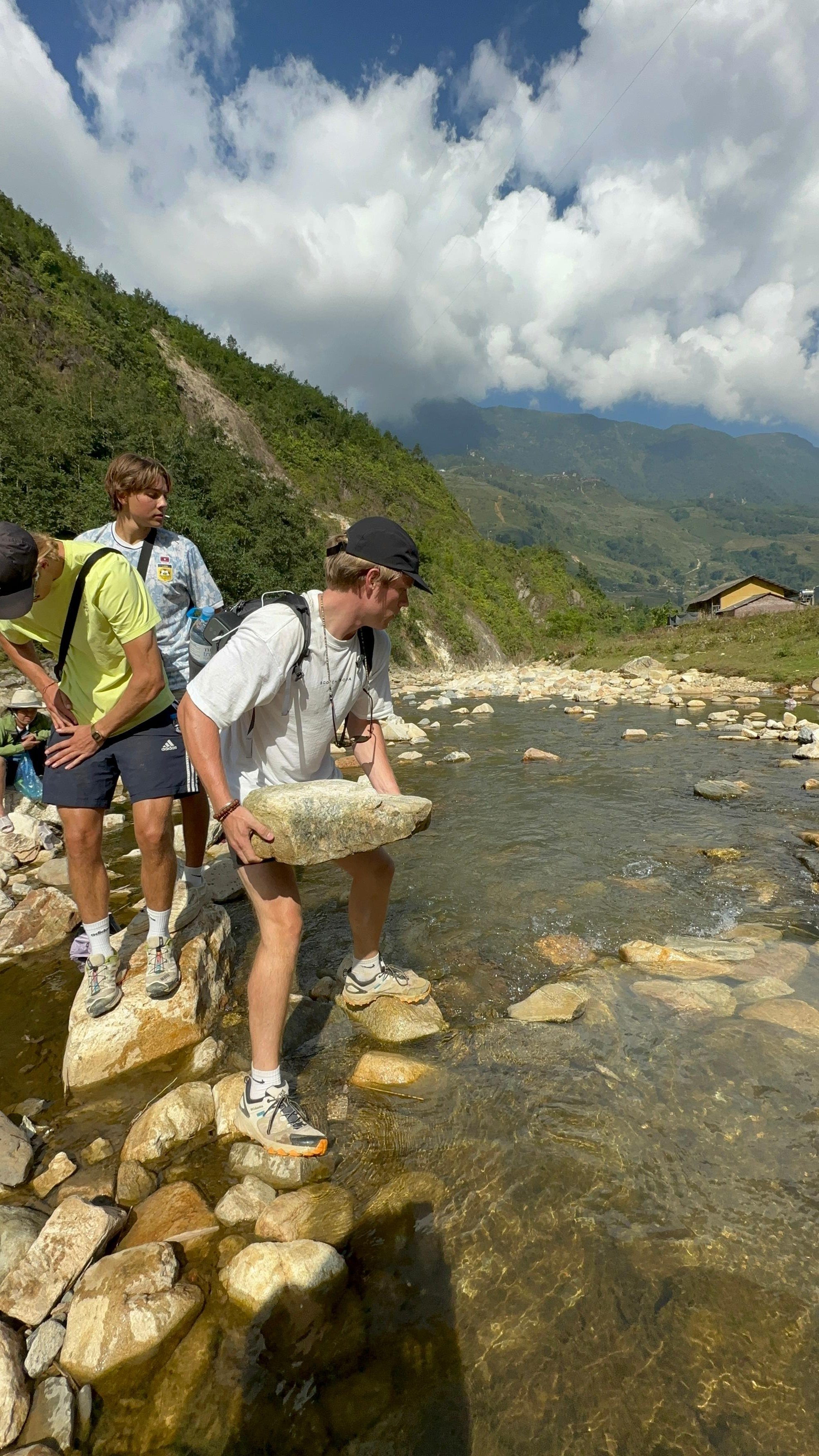
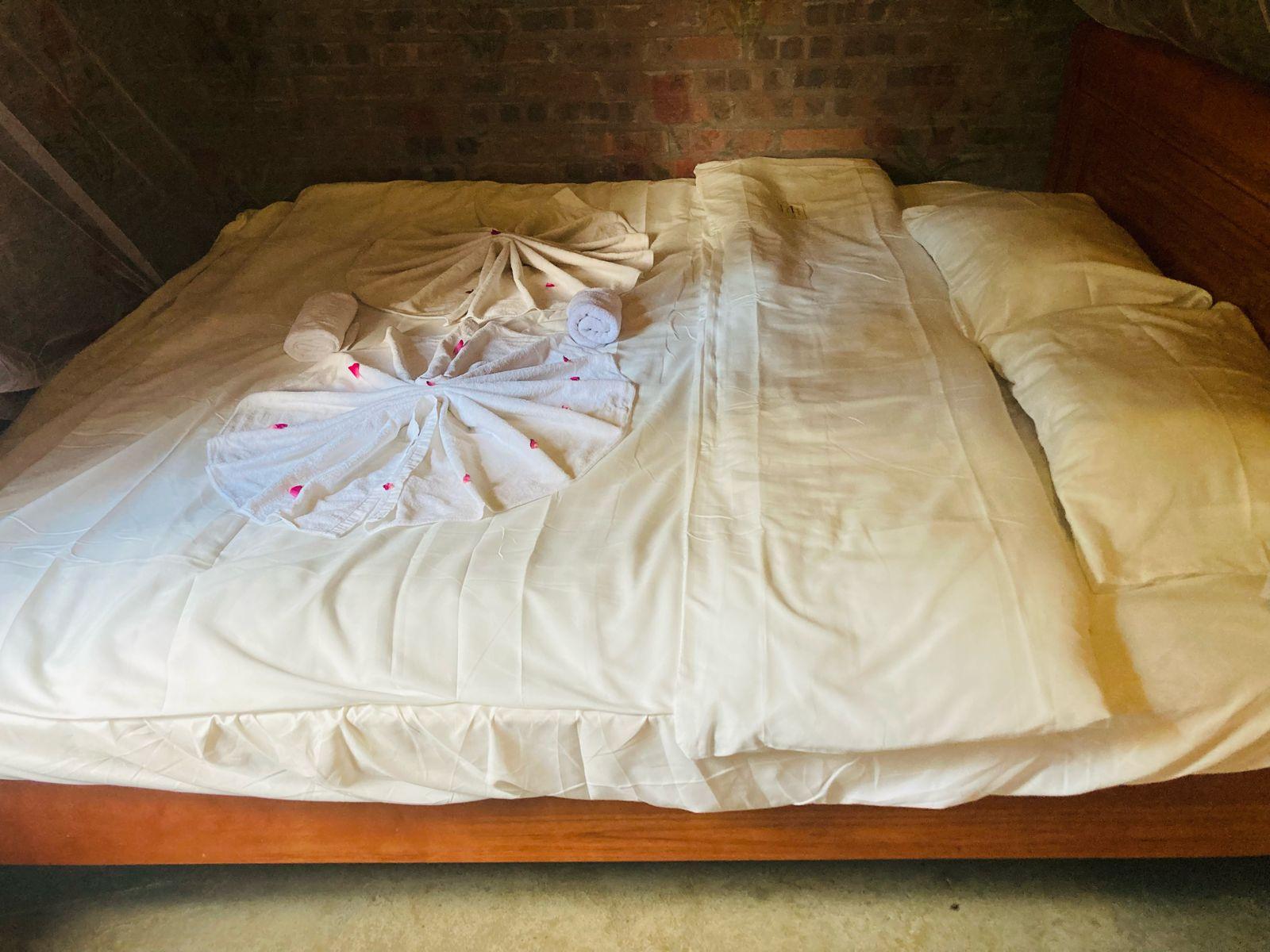
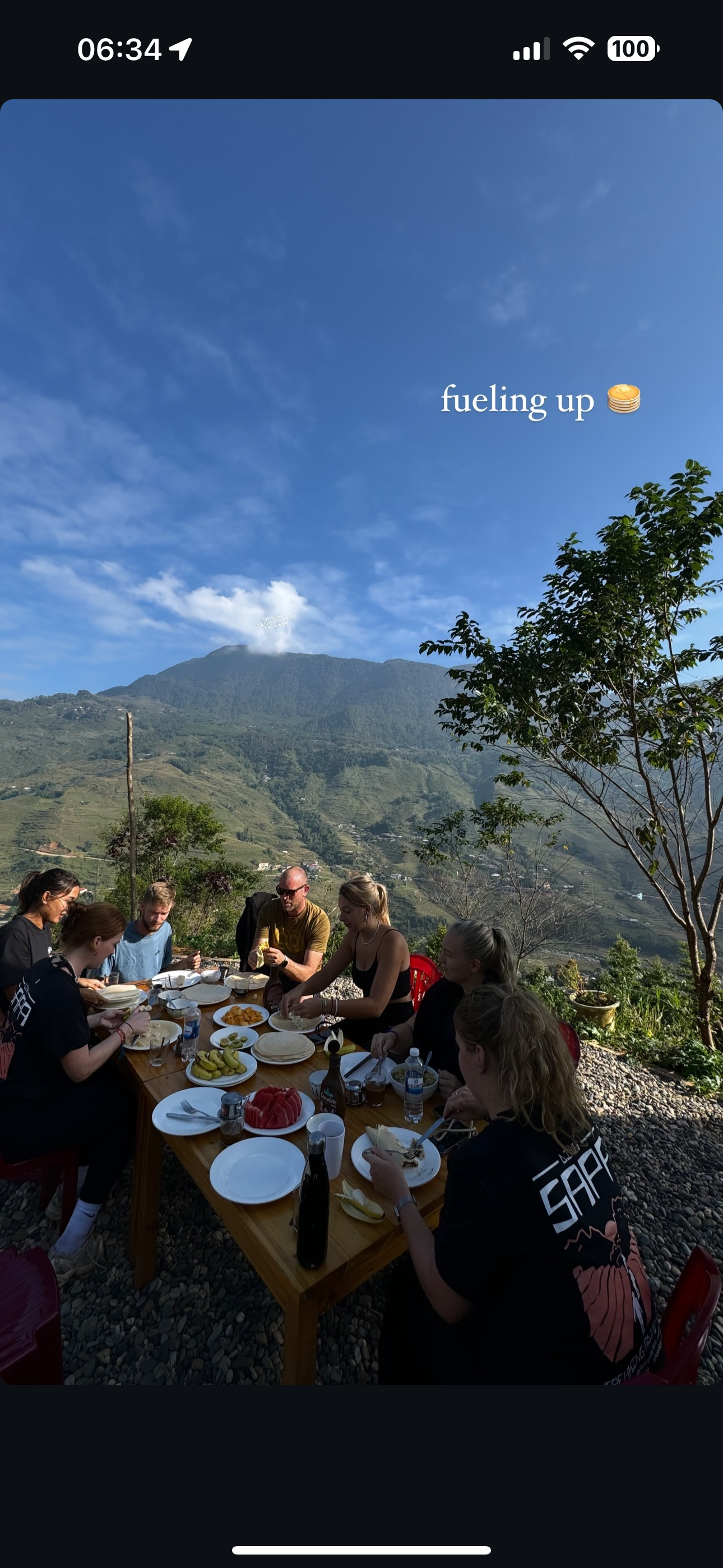
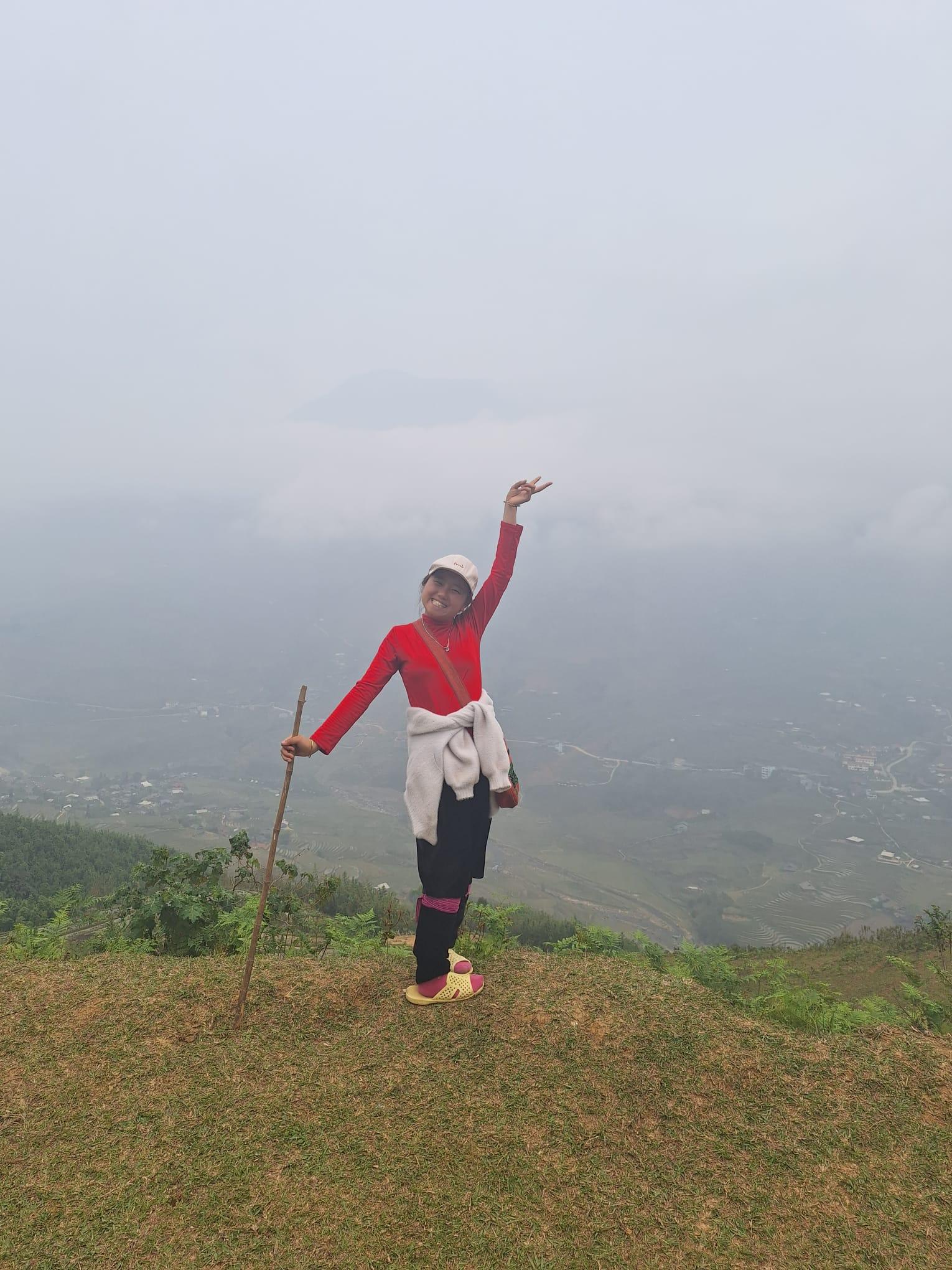
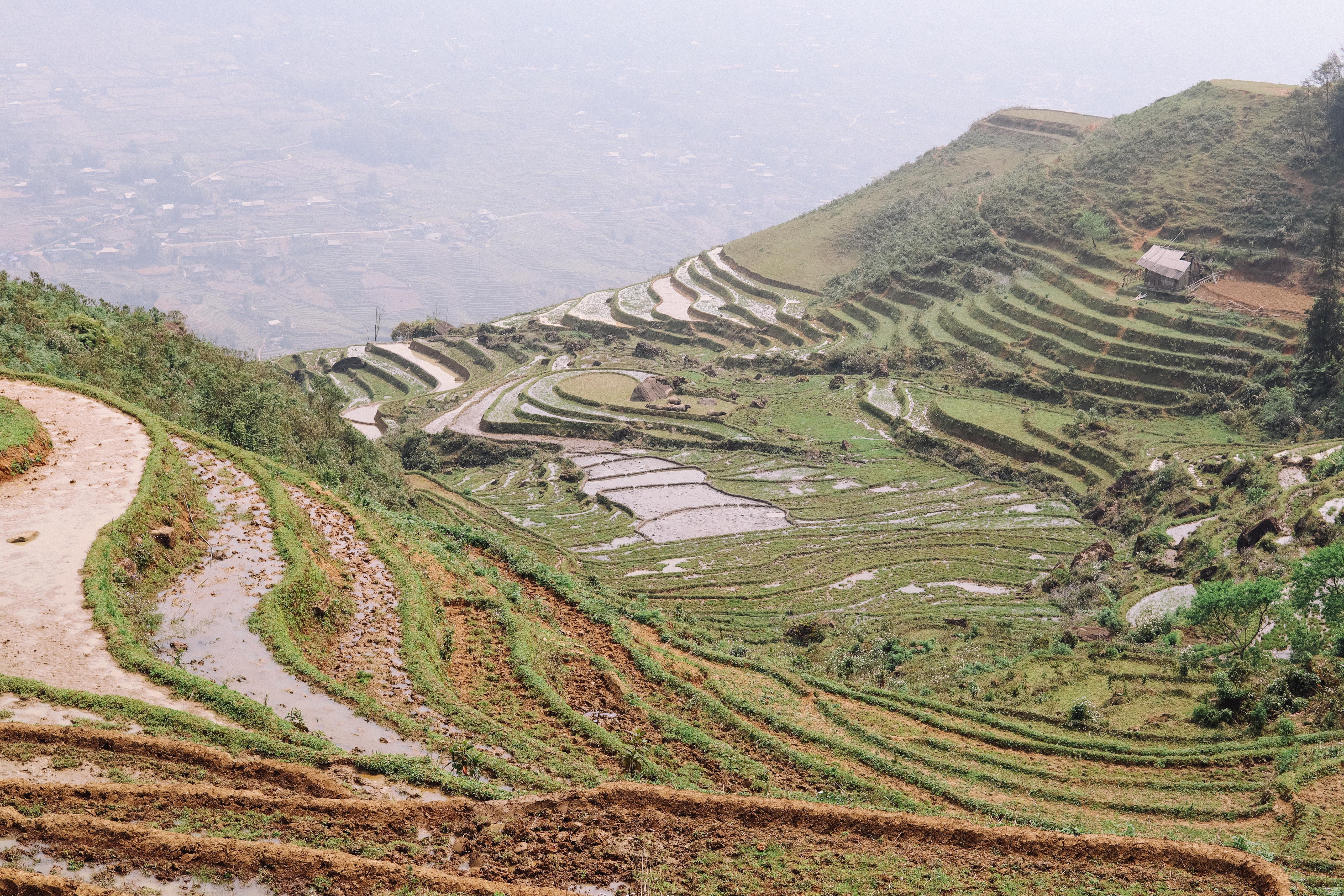
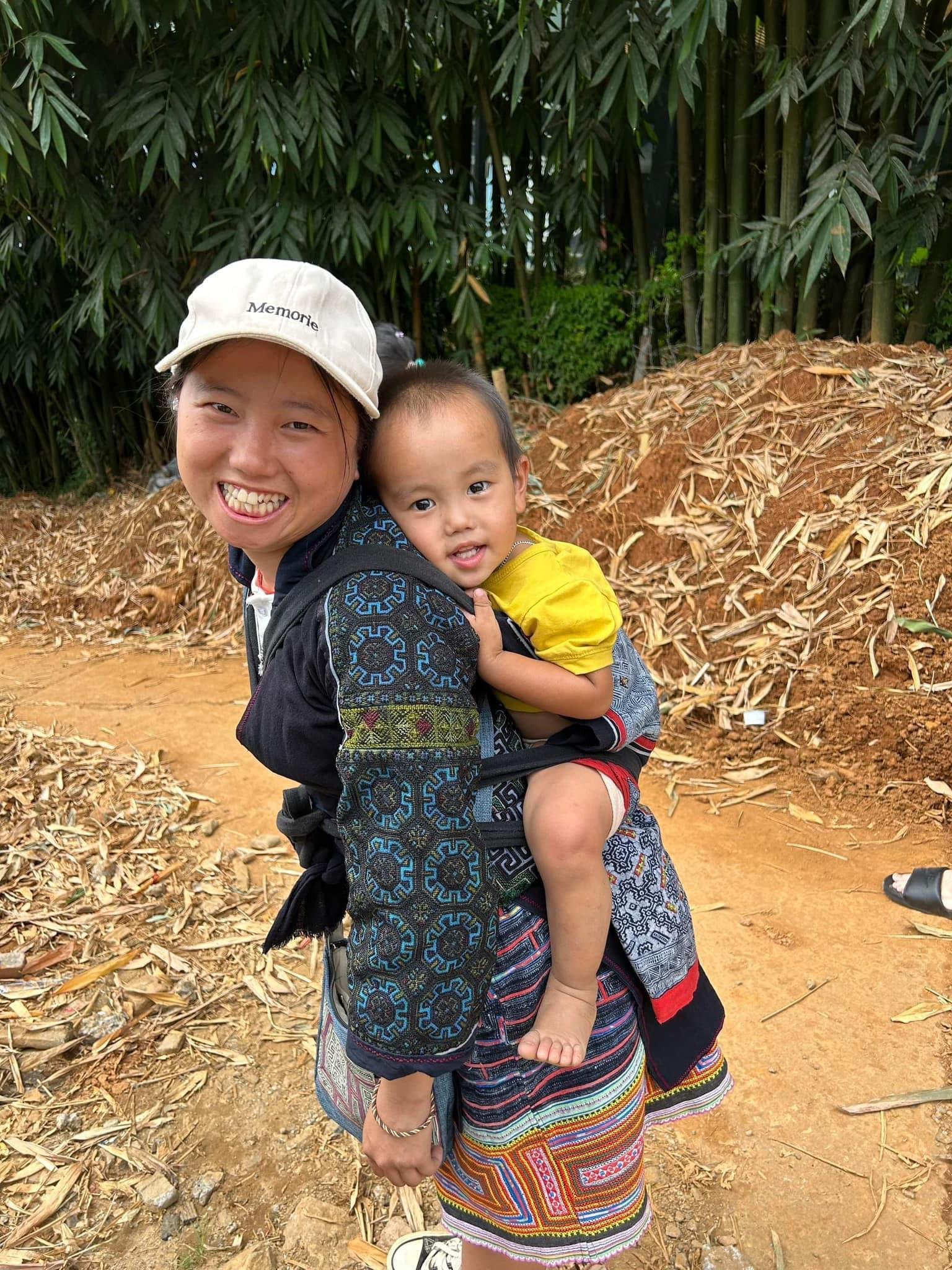
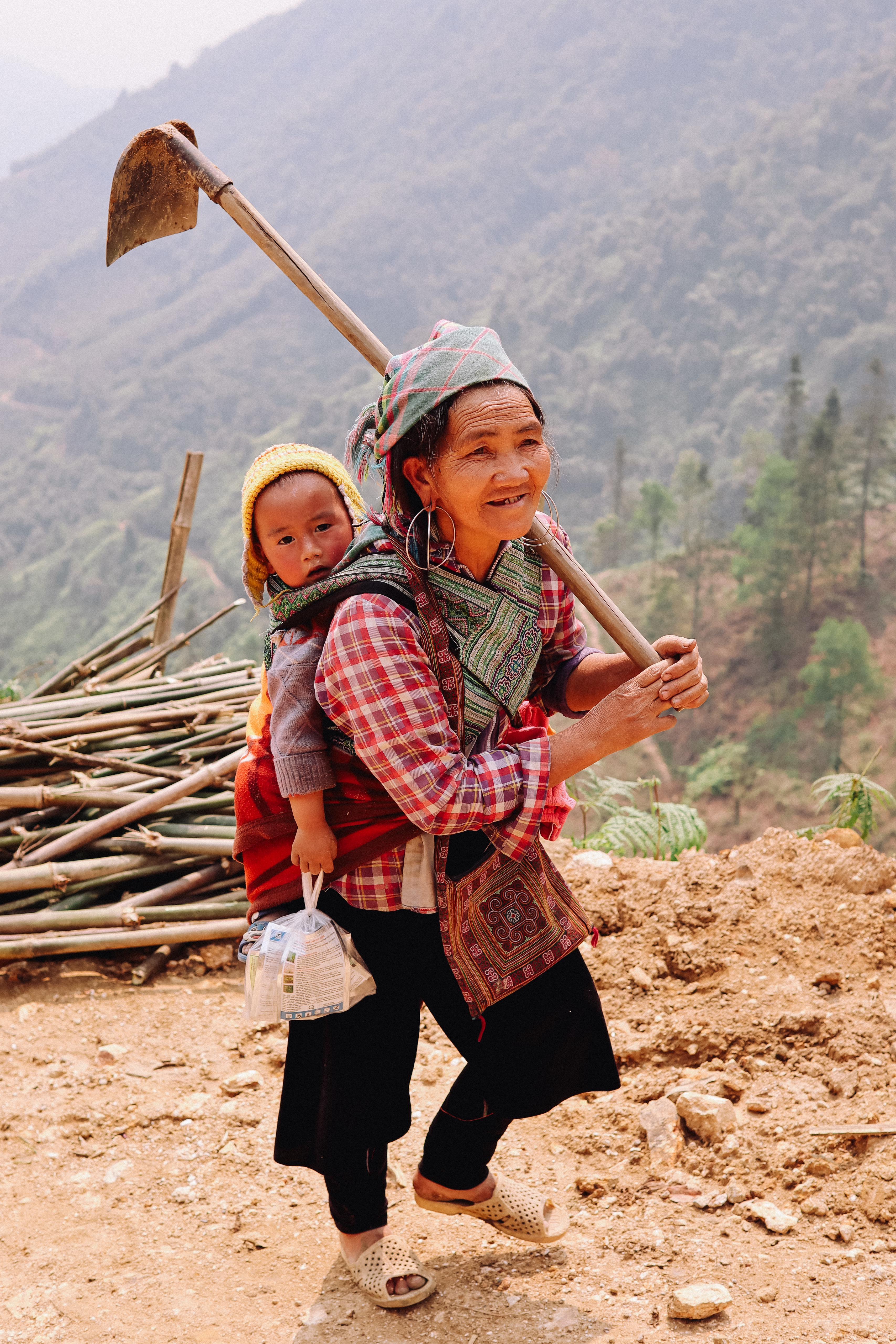
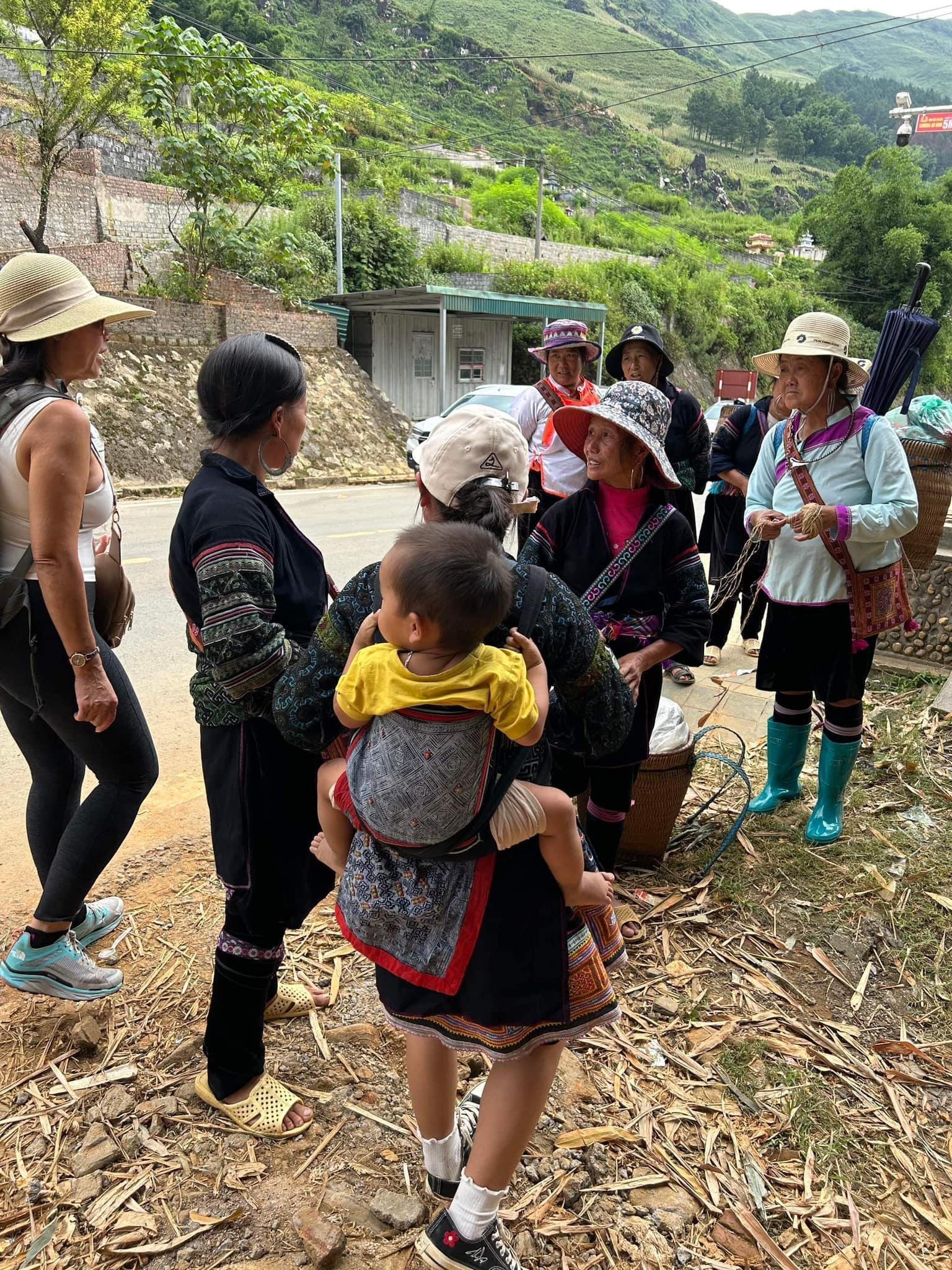
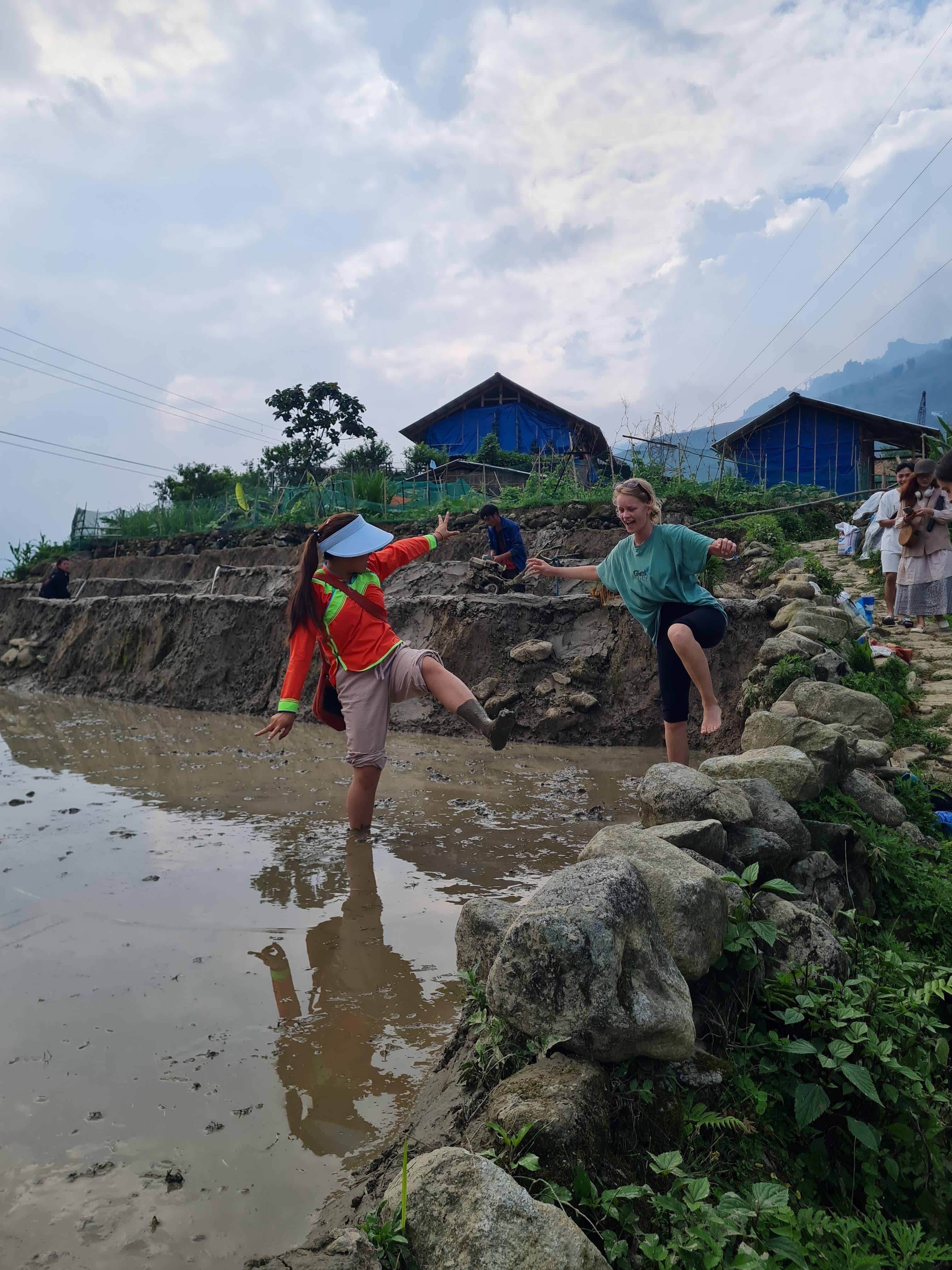
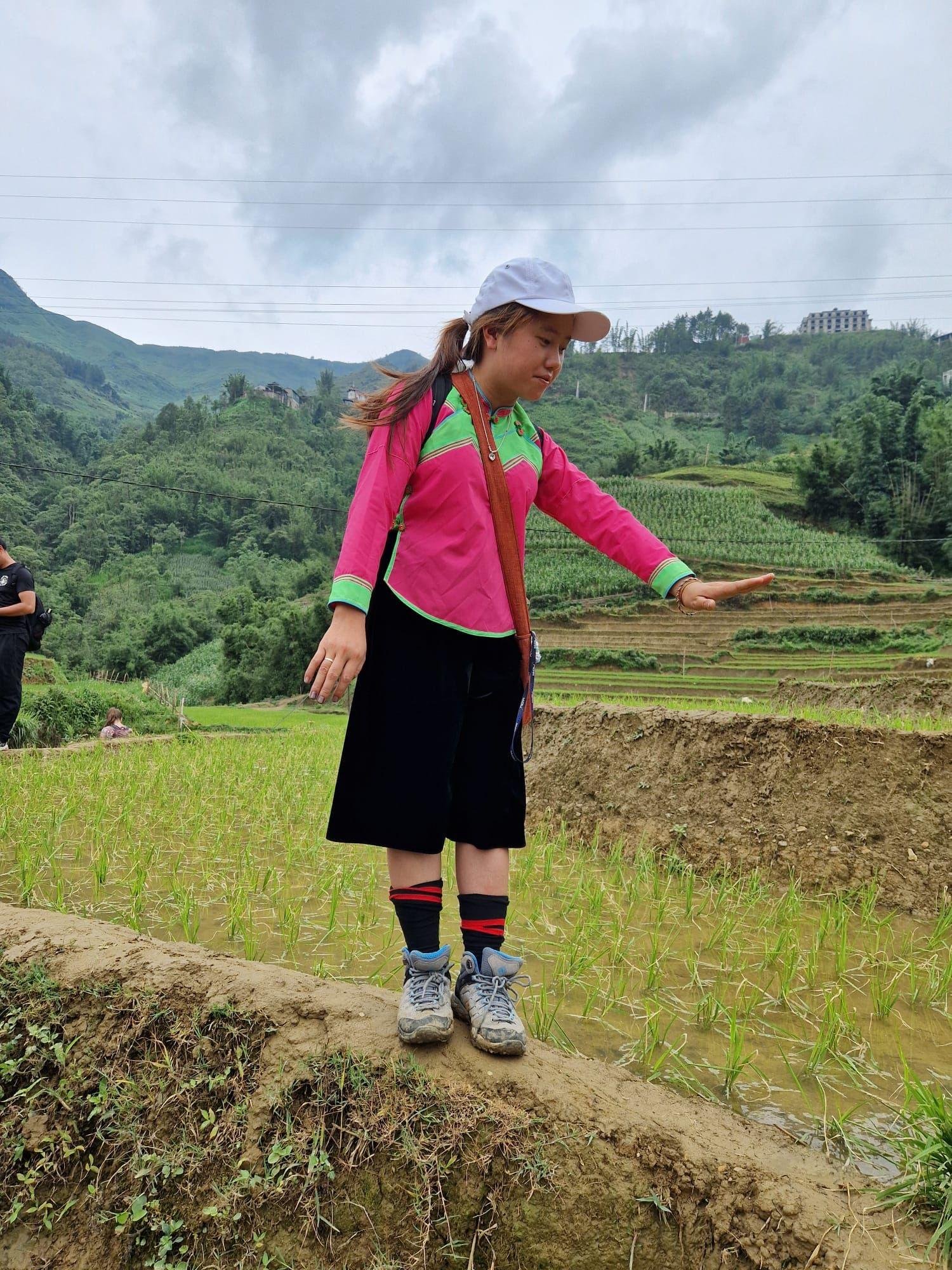
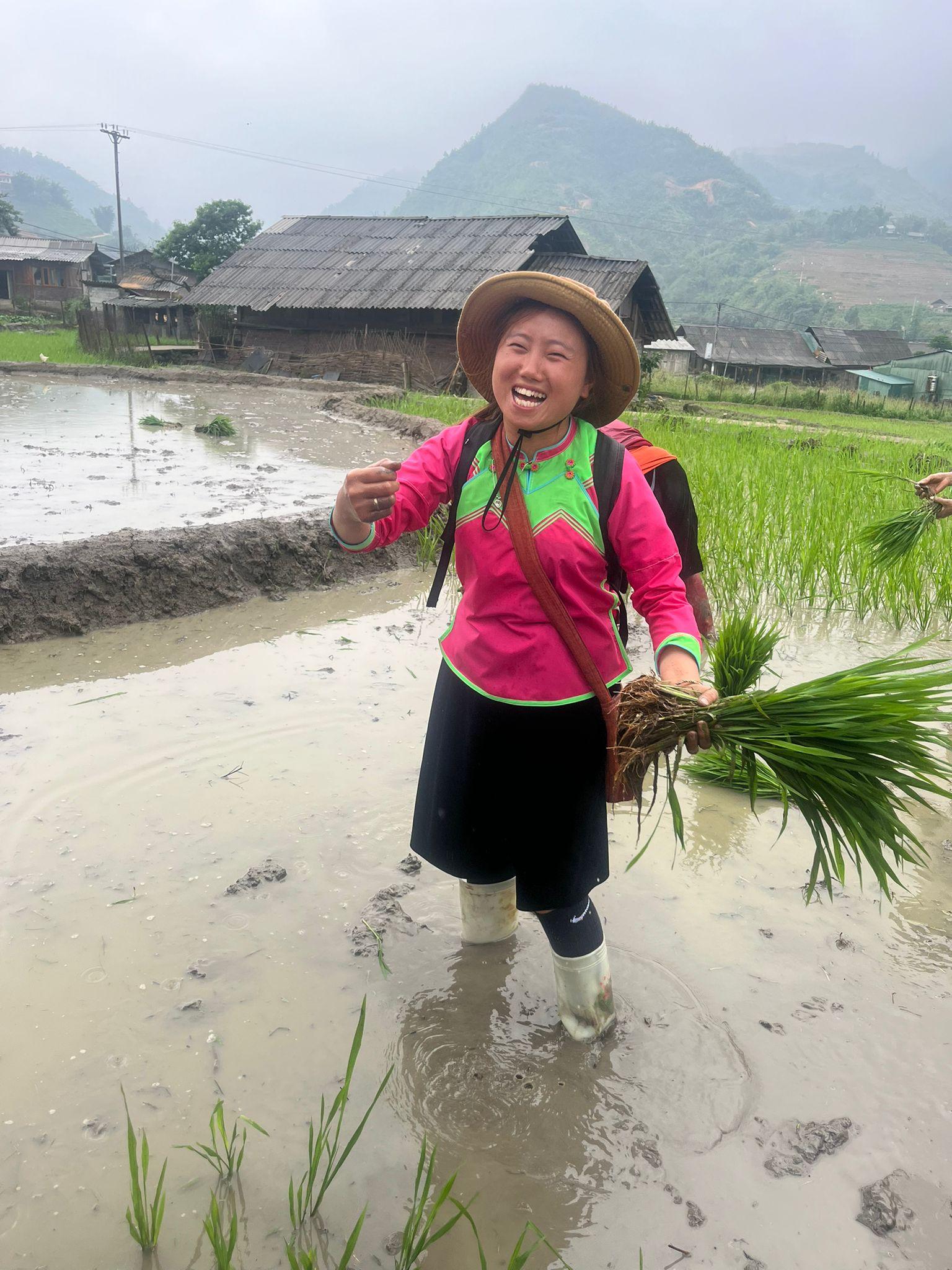
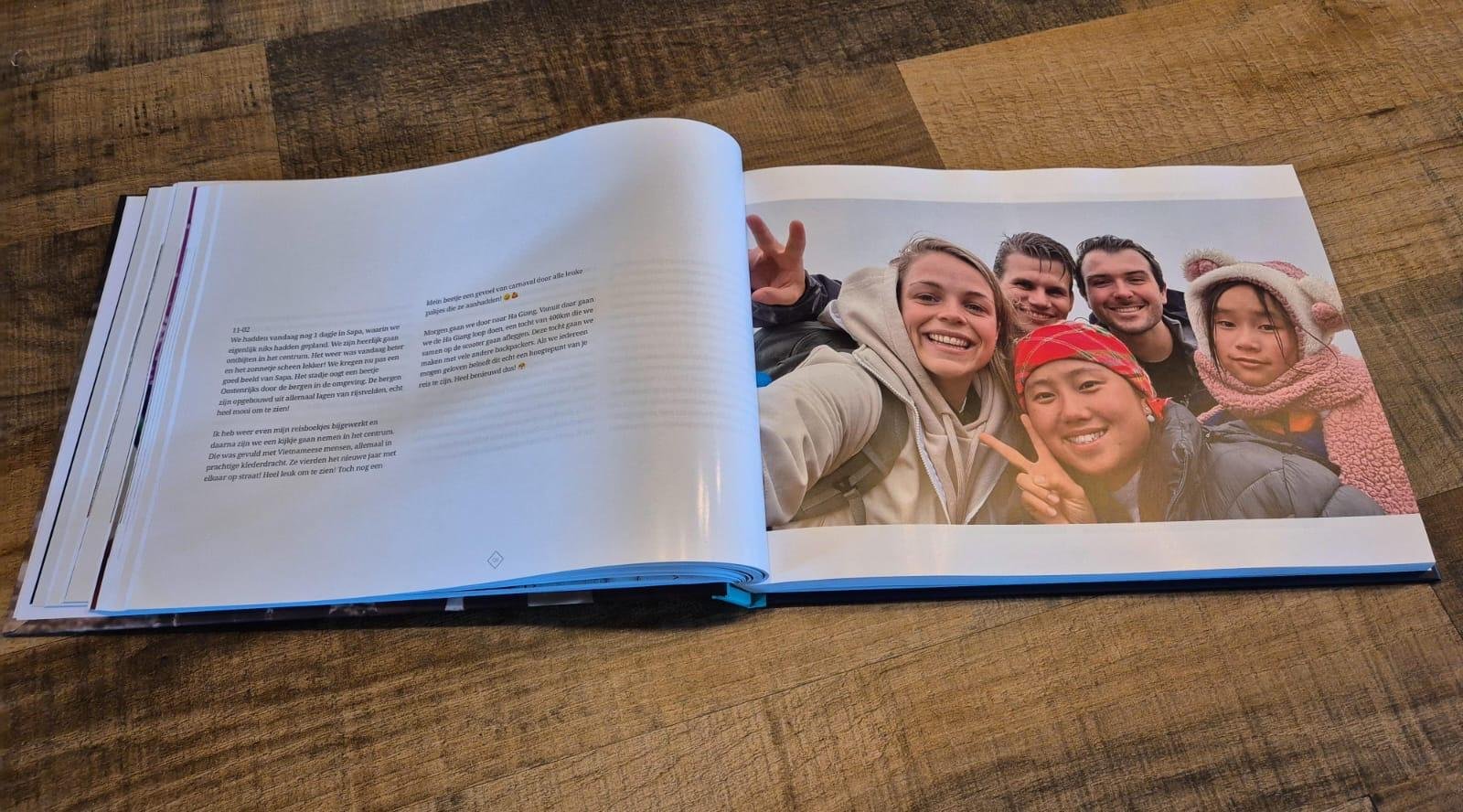
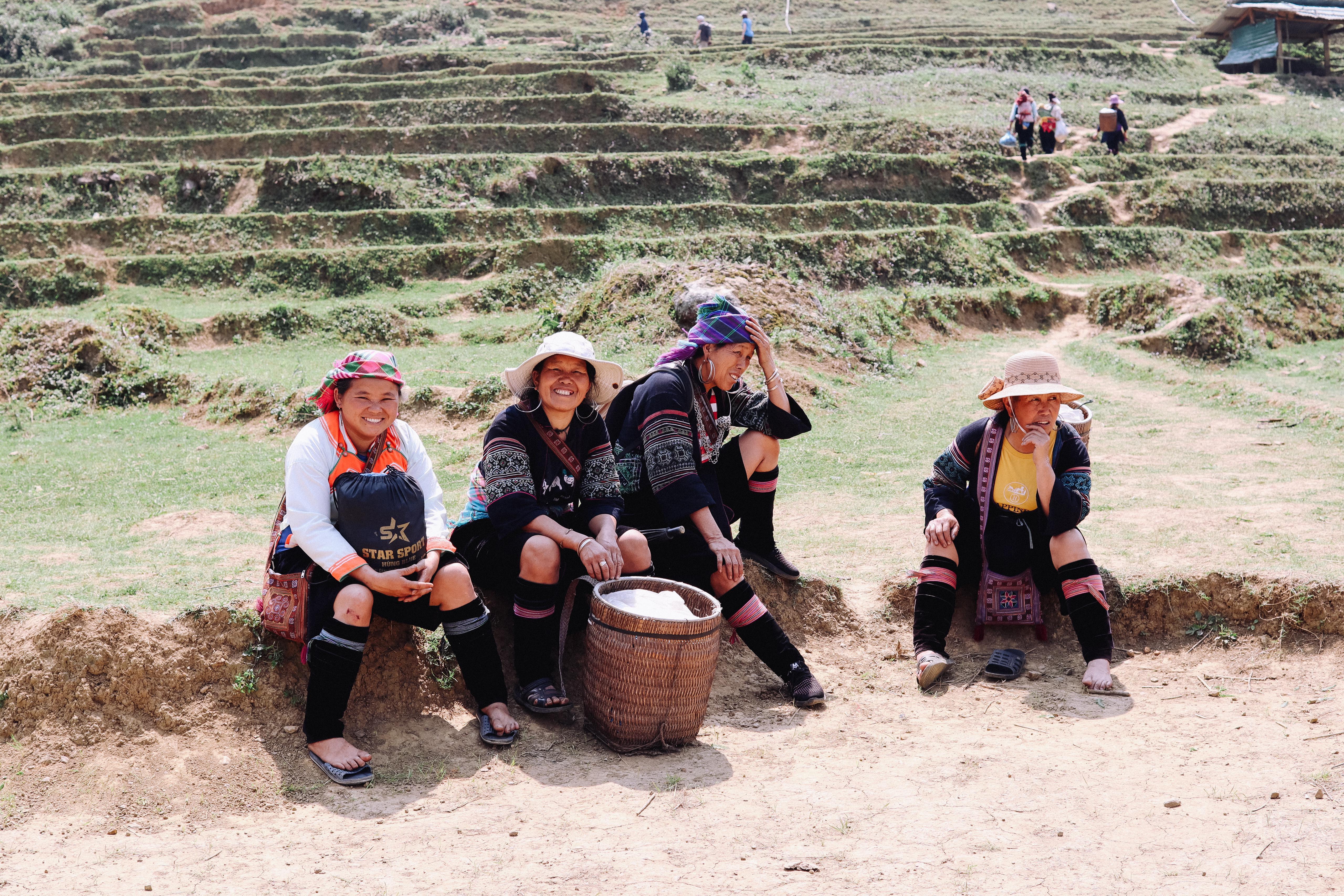
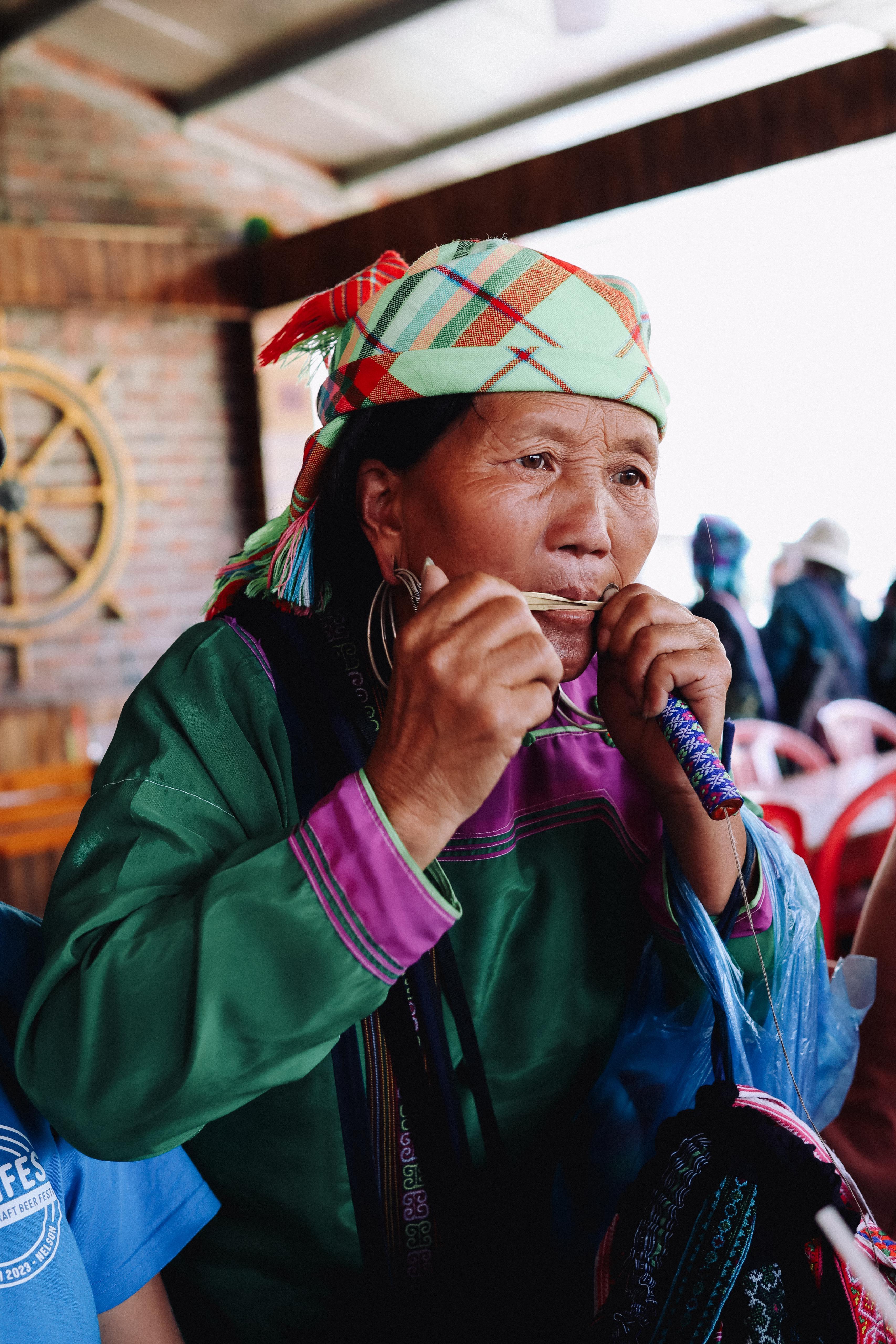
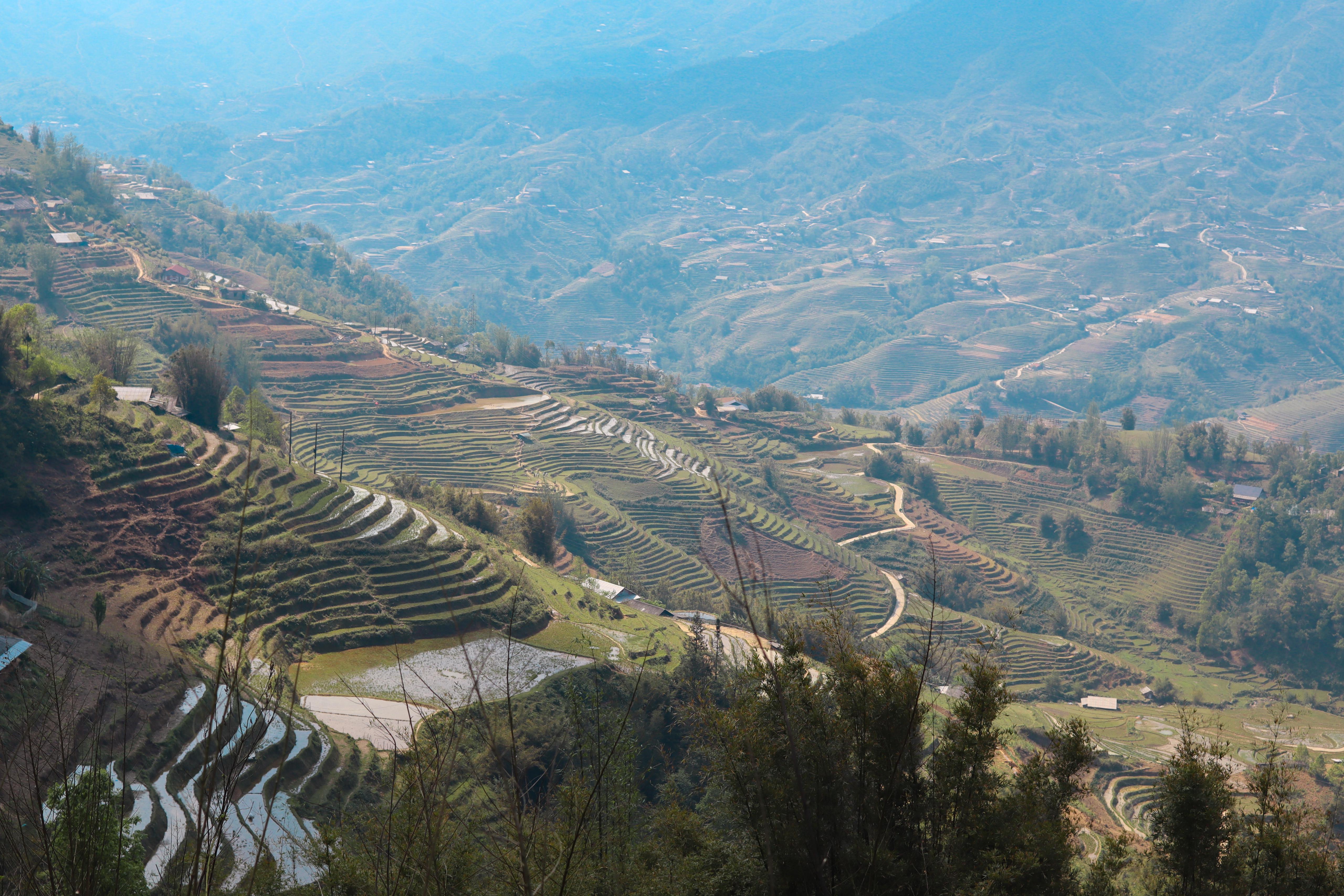
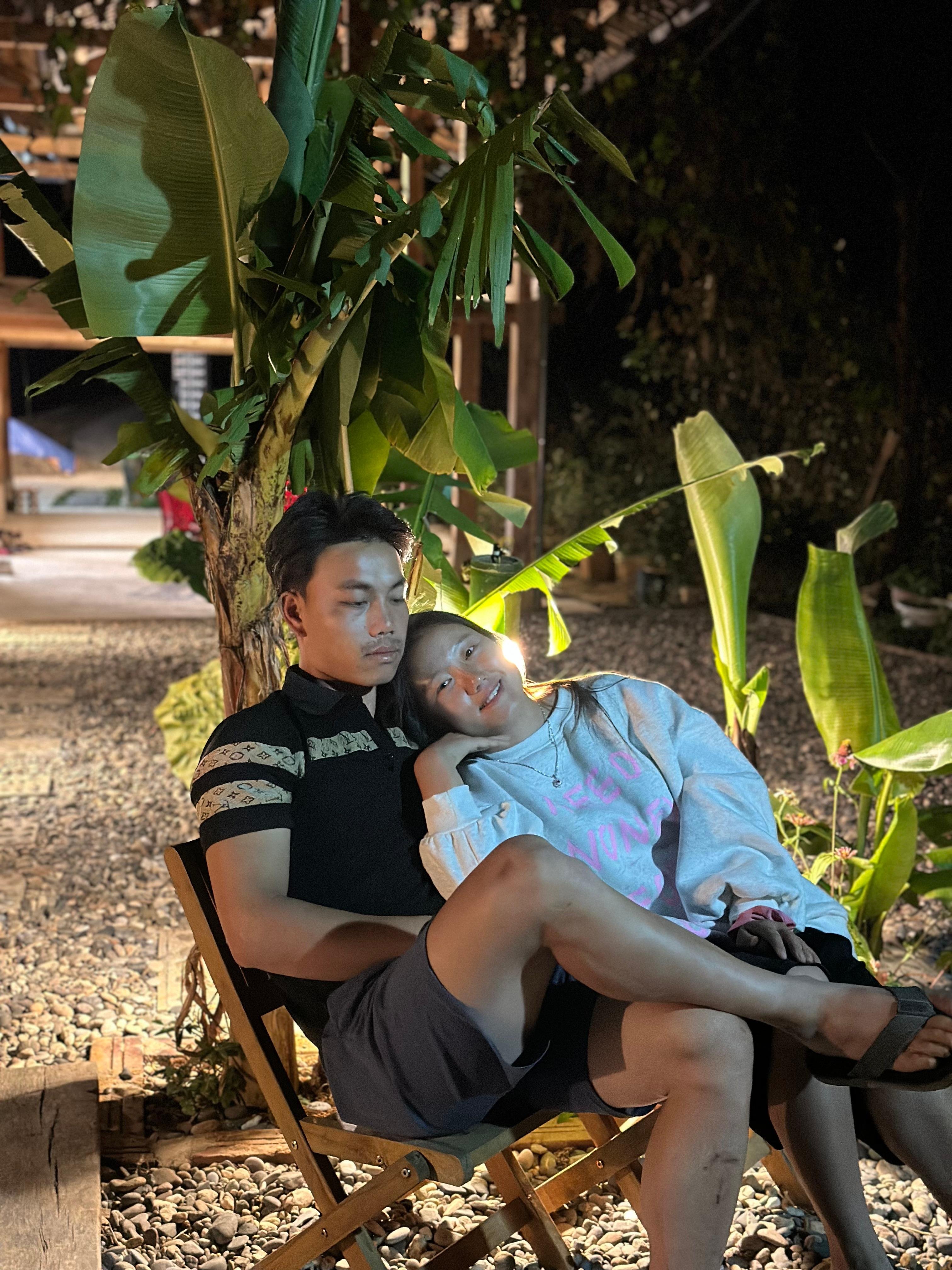
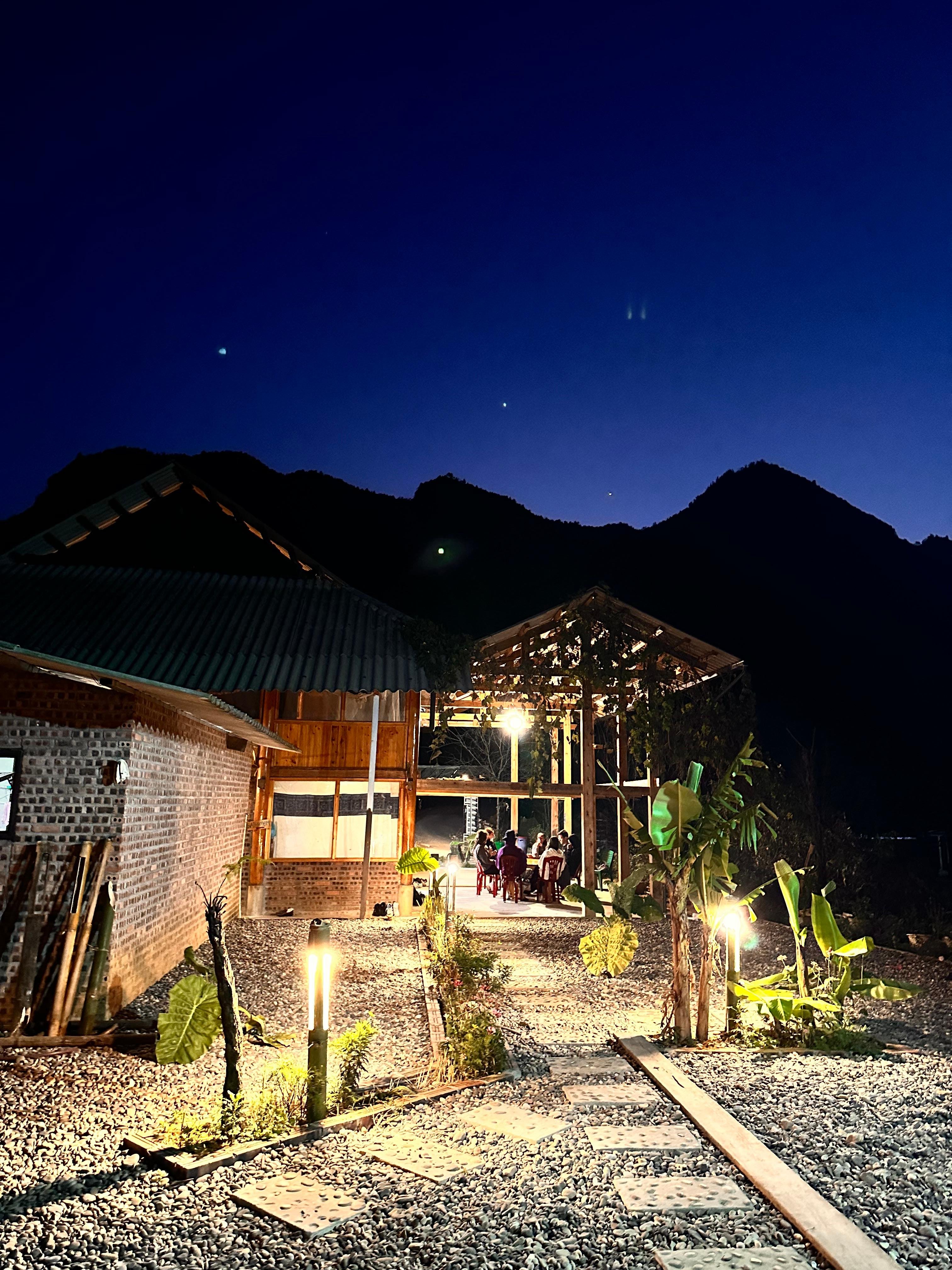
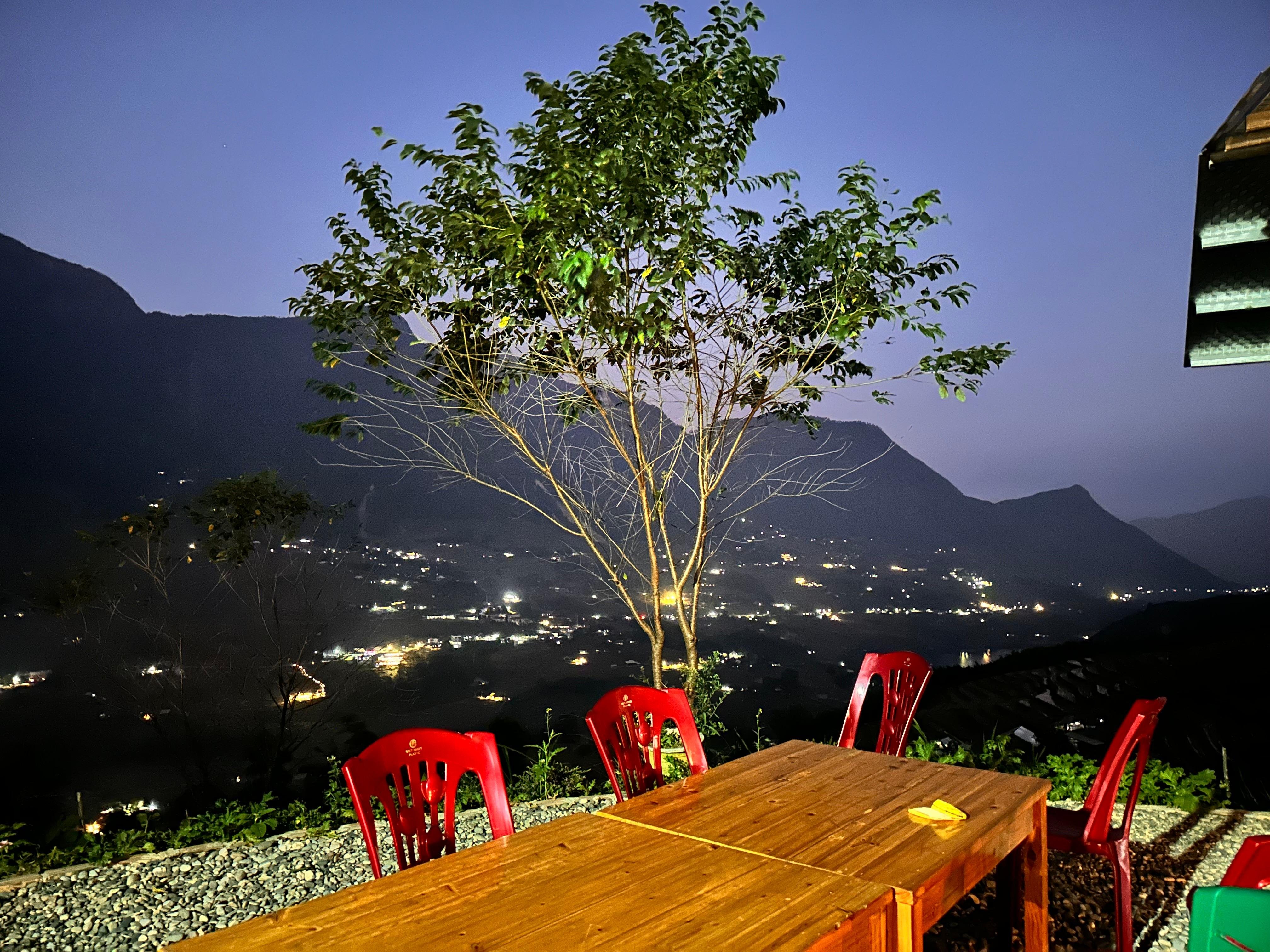
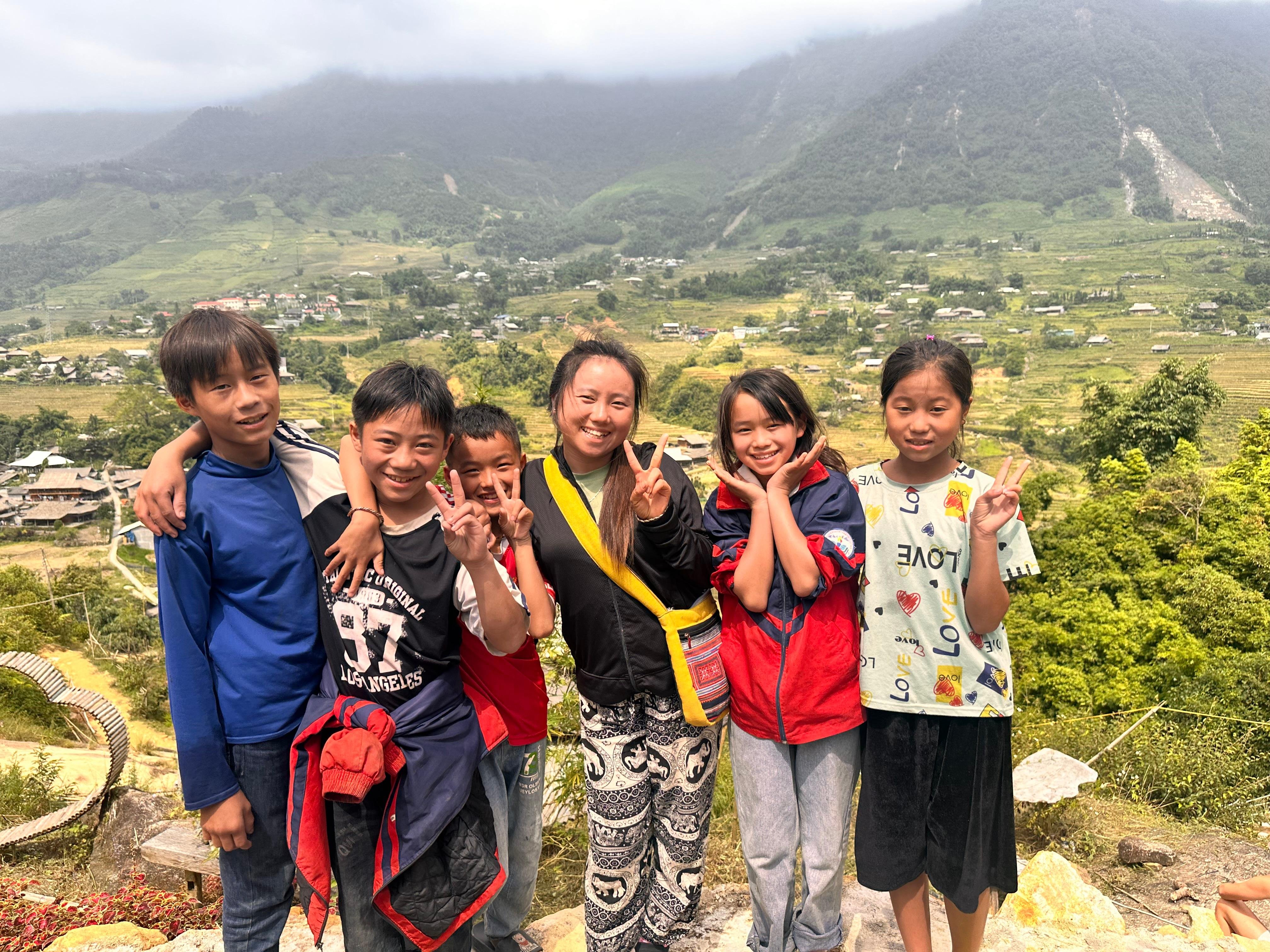
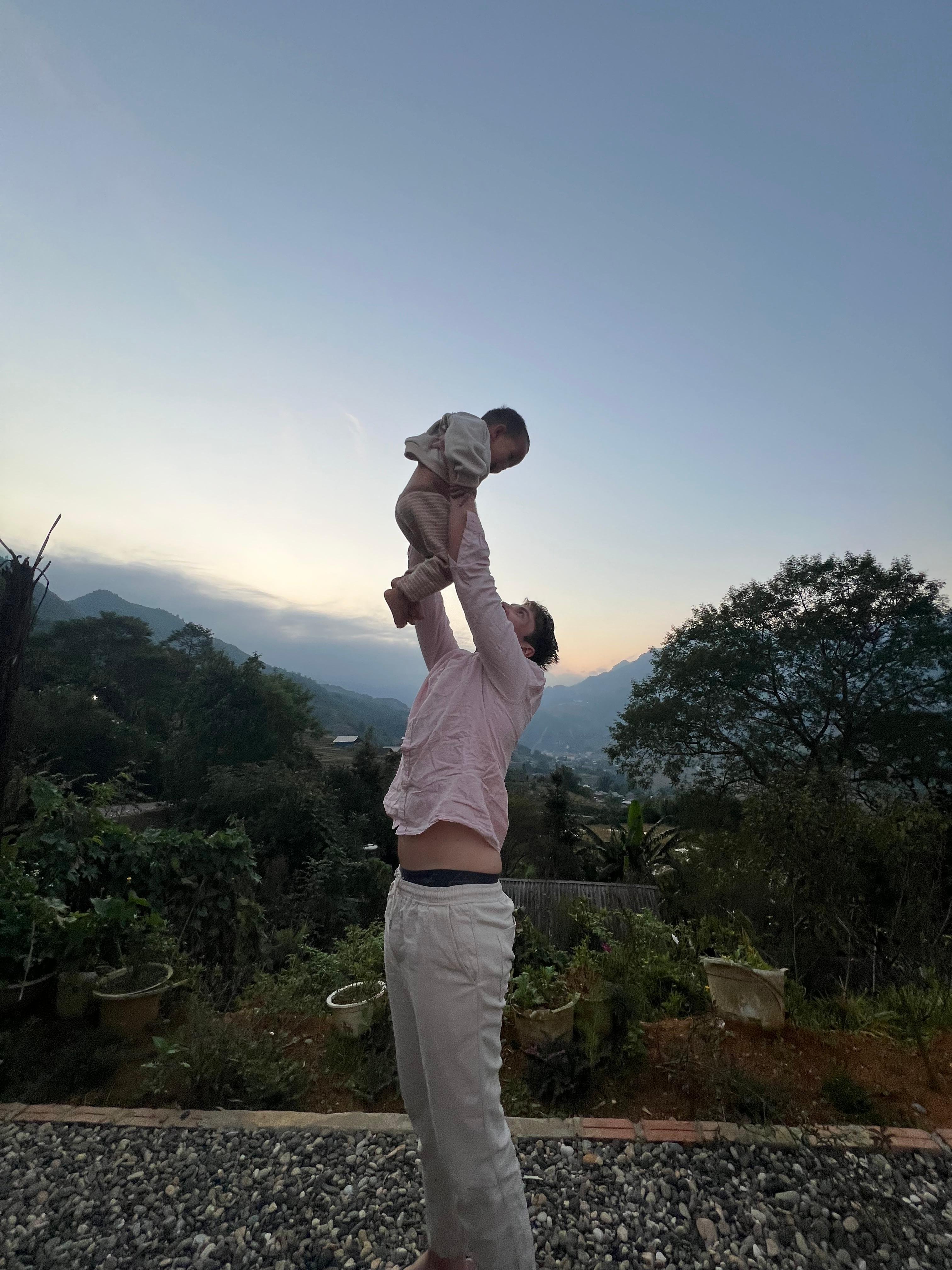
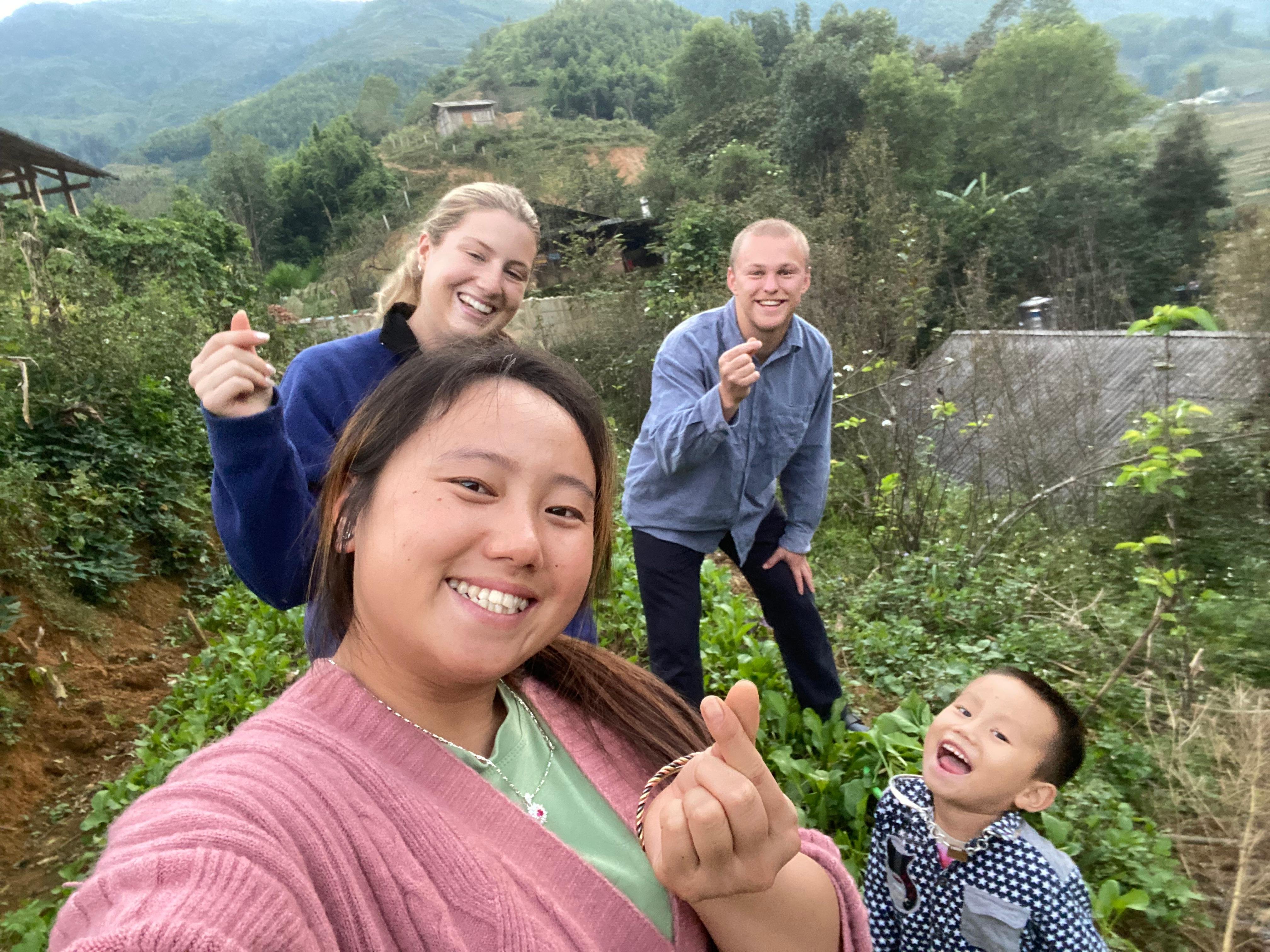
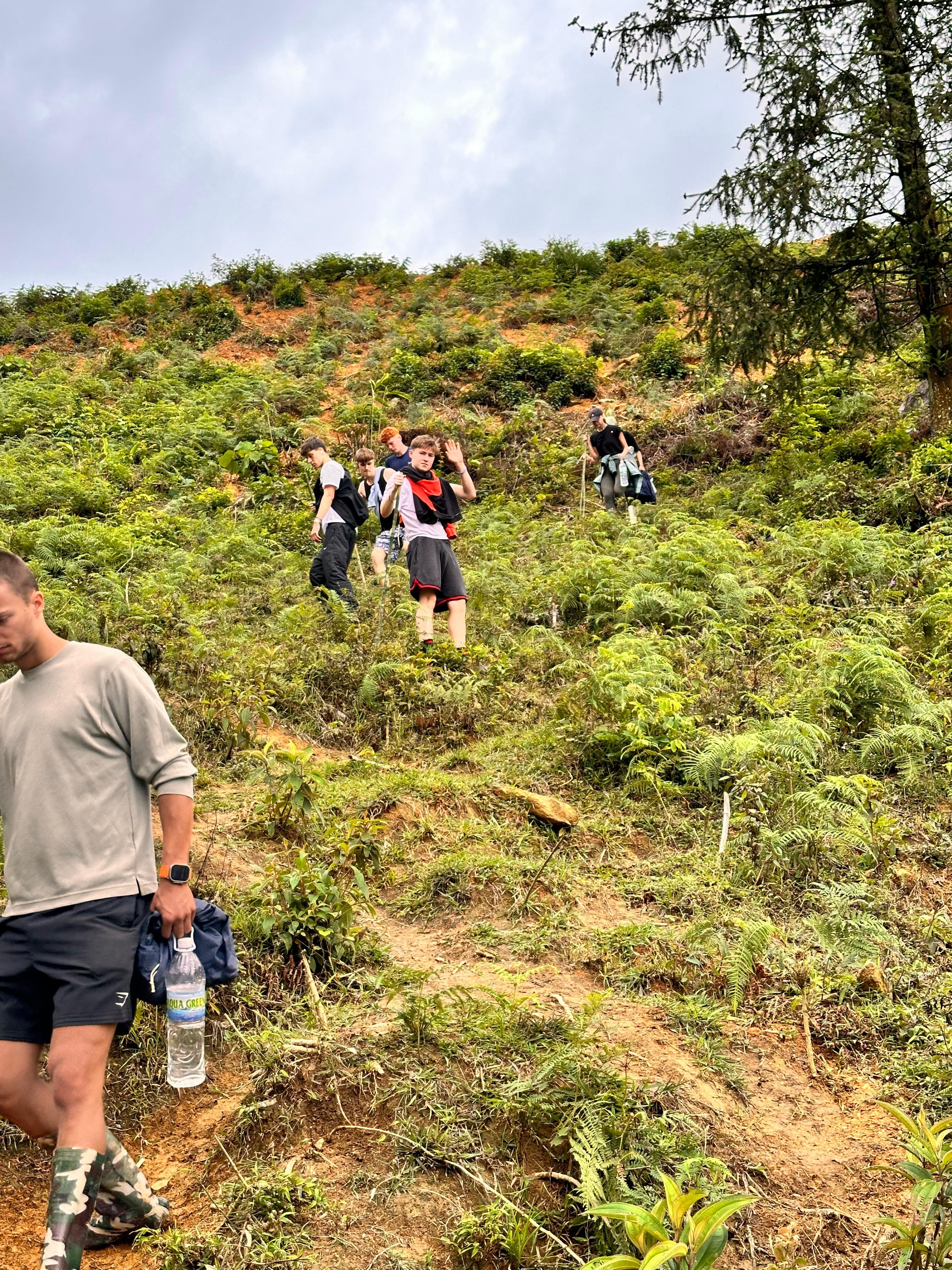
Terraced valleys, mountain villages, and homestay evenings on the Muong Hoa trail — captured along the route.







Book Your Experience
Check Availability & Prices
Select your preferred date and time. Instant confirmation — free cancellation up to 24 hours before departure.
Sapa 2-Day Trek vs the Alternatives
How the guided two-day Muong Hoa Valley trek compares to a single-day trek and going it alone.
| Feature | BEST VALUE Guided 2-Day Trek + Homestay | 1-Day Sapa Trek | Independent / DIY |
|---|---|---|---|
| Format | 2 days, 1 night — overnight in the valley | Single day, back in town by evening | Self-guided, whatever you arrange |
| Trekking | ~8–10 km day one + a shorter day two | ~10–12 km in one push | However far you plan and navigate |
| Homestay Night | ✓ Village family homestay included | ✗ No overnight in the villages | Arrange and pay for your own |
| Local Guide | ✓ English-speaking local guide, both days | ✓ Guide included for the day | ✗ On your own / hire separately |
| Meals | 2 lunches, 1 dinner, 1 breakfast included | 1 lunch included | Buy as you go |
| Village Entry Fees | ✓ Included | ✓ Included | Pay at each village yourself |
| Guest Rating | 4.9/5 (1,096 reviews) | 4.9/5 (480 reviews) | — |
| Free Cancellation | ✓ Up to 24 hours before | ✓ Up to 24 hours before | Not applicable |
| Starting Price | From $45/per person | From $29/person | Trail is free; guide + homestay arranged separately |
| Book Now | View Day Trek |
More Options
More Sapa Trekking & Tour Options
Looking for something different? Browse popular alternatives — all with free cancellation and instant confirmation.
 BEST RATED
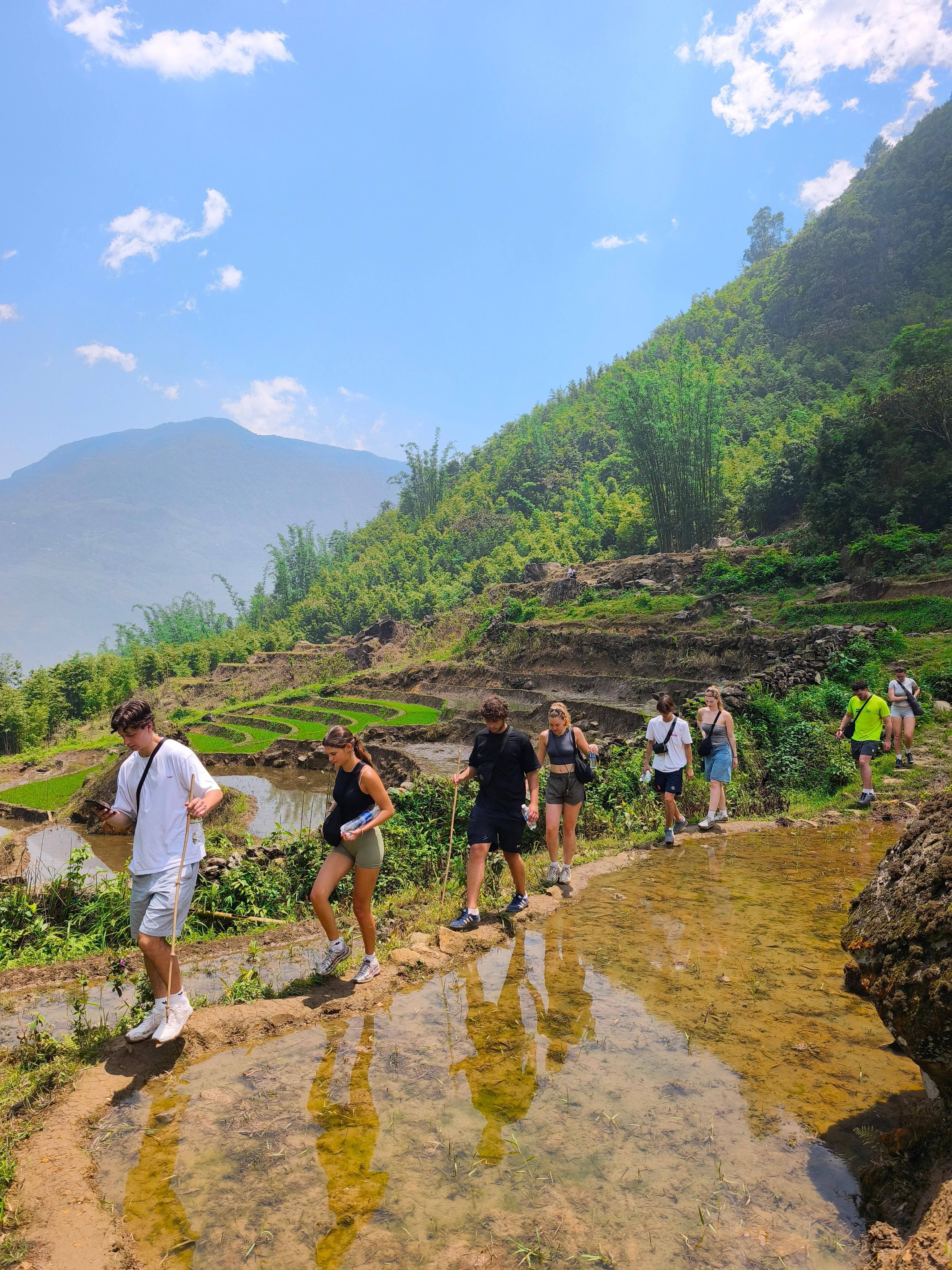
SAPA: 2 DAYS Walking & 1 night at Homestay with LOCAL GUIDE
Two days of walking through the Muong Hoa Valley with a local guide and one night in a village homestay. A relaxed-pace trek past rice terraces and Hmong and Giay hamlets, with home-cooked meals included.
 MOST POPULAR
2-Day Sa Pa Ethnic Homestay With Long Trek Lao Chai - Ta Van
A long two-day trek on the classic Lao Chai to Ta Van route through the heart of the Muong Hoa Valley, with an overnight family homestay. Covers the most scenic terraced sections between the villages.
 FROM HANOI
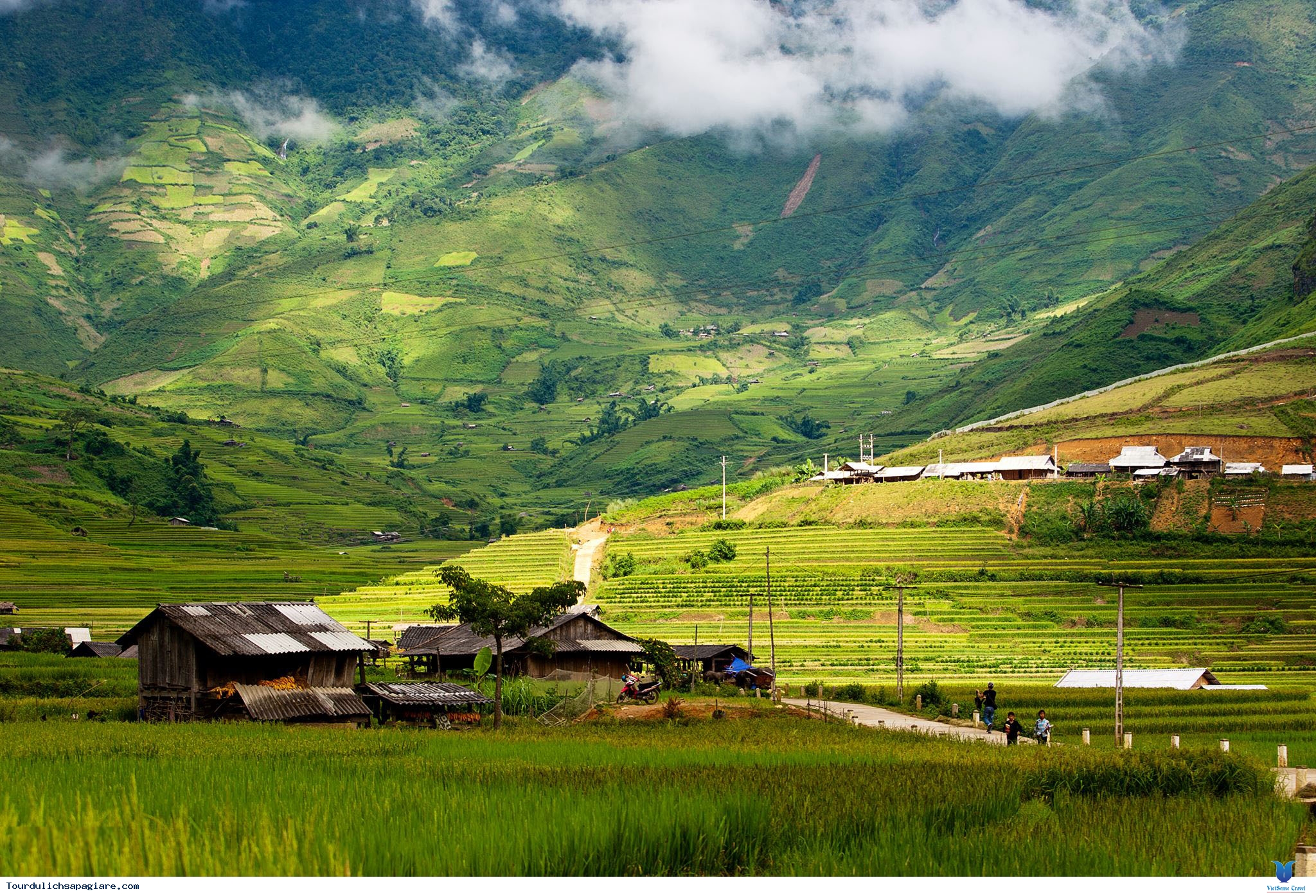
Hanoi: 2 Days Sapa Trekking Tour with Homestay & Local Meals
A two-day Sapa trekking package that starts from Hanoi, bundling the overnight transfer with a guided Muong Hoa Valley trek, a homestay night, and local meals - one booking for the whole trip.
 FANSIPAN
From Hanoi: 2-Day Sapa Limo Bus Tour & Fansipan Peak Visit
A two-day trip from Hanoi pairing a Sapa visit with the Sun World Fansipan Legend cable car up toward the 3,143 m summit, the Roof of Indochina, plus time in Sapa town and nearby villages. Lighter on trekking, built around the cable-car highlight.
 3-DAY PREMIUM
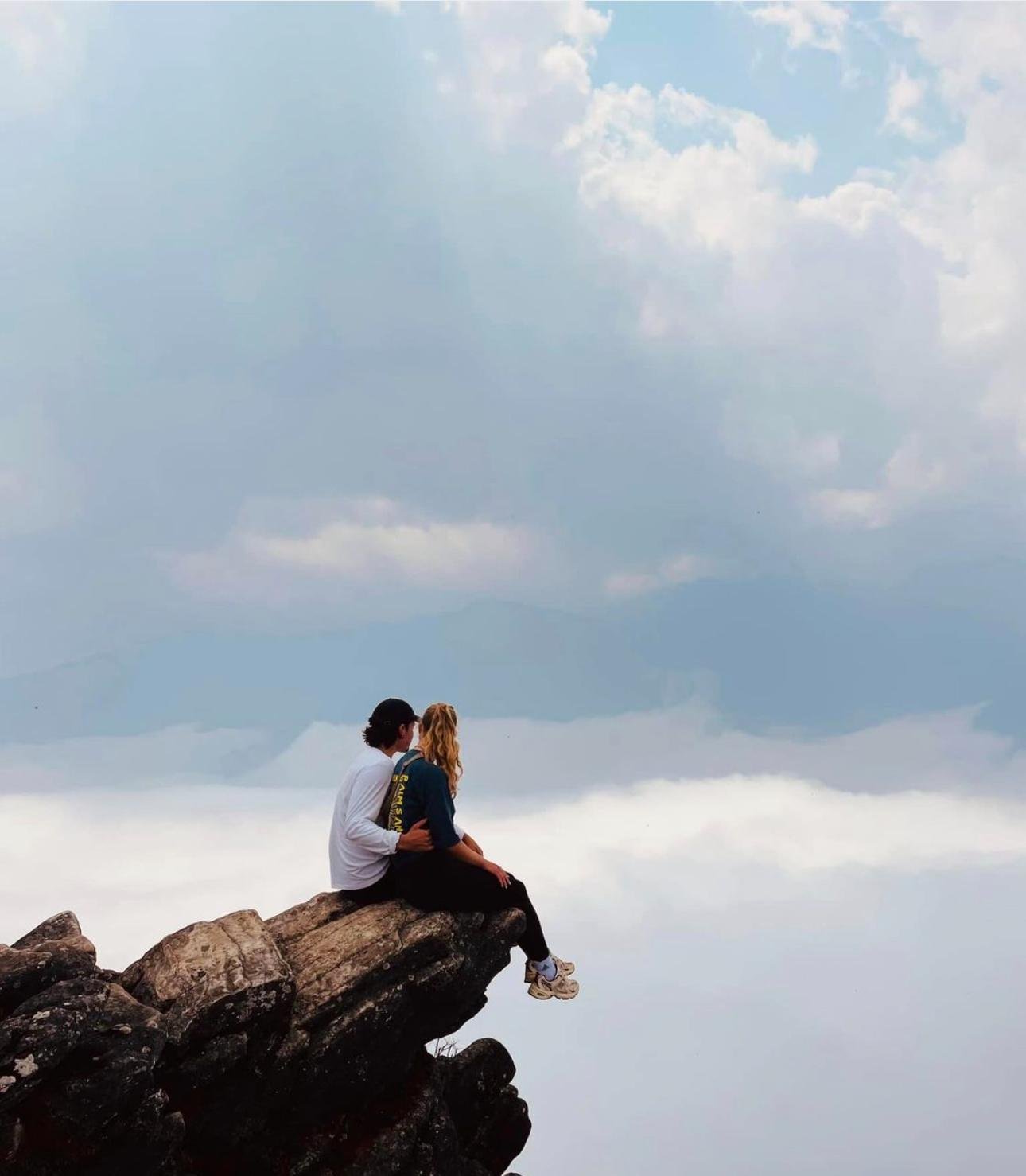
Sapa3D2N TrekkingAdventures,Valleys,Bambooforest,Waterfall
A longer three-day, two-night trek for travelers who want more trail time - deeper into the valleys, bamboo forest, and a waterfall, with village homestay nights and a local guide.
The Complete Guide
Everything to Know About the Sapa 2-Day Tour
What the classic two-day, one-night Muong Hoa Valley trek actually involves — the route, the villages, the seasons, and how to get there.
The classic Sapa 2-day tour is a two-day, one-night trek through the Muong Hoa Valley, the long terraced valley that drops away below Sapa town in the mountains of Lào Cai province, northern Vietnam. You spend the first day walking down into the valley between rice terraces and mountain hamlets with a local guide, sleep the night in a village family homestay, and finish a shorter stretch of trail on the morning of day two before heading back to town. It is the format most travelers settle on because a single day feels rushed, while three days or more is more trail than many visitors want — two days is long enough to walk the most scenic terraced sections, share a meal and a night with a host family, and still keep the trip manageable.
The Muong Hoa Valley and its rice terraces
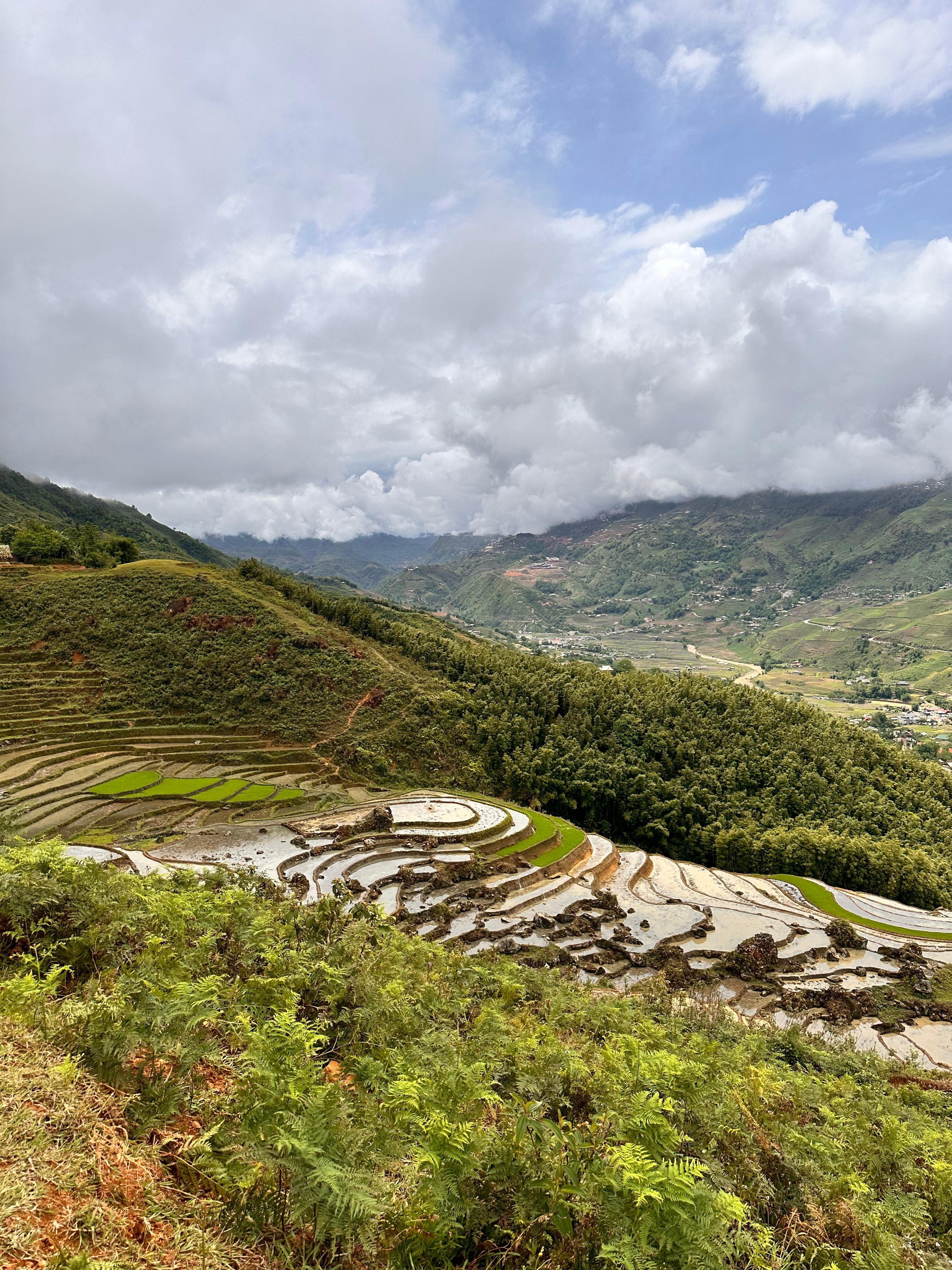
The terraces are the reason most people come, and what they look like depends entirely on the month. Roughly from late April into May and early June, farmers flood the terraces to transplant rice, and the valley becomes a staircase of mirror-like pools that catch the sky. Through June, July and August the fields fill in lush green. The most photographed window is the golden harvest, from about mid-September into early October (as of June 2026), when the ripe rice turns the whole valley amber before it is cut. Timing shifts a little year to year with the weather, so treat those months as a guide rather than a guarantee.
Sapa town sits at around 1,500 metres, and the local saying about “four seasons in one day” is earned — sun, mist, and a sudden cool shower can all pass through in an afternoon. September and October are generally the clearest, driest, and most comfortable for walking. Summer is green but wet, and winter (December to February) is cold and often fogbound, occasionally dipping near freezing, with a rare dusting of snow on the high ground some years.
The villages and the people who live there
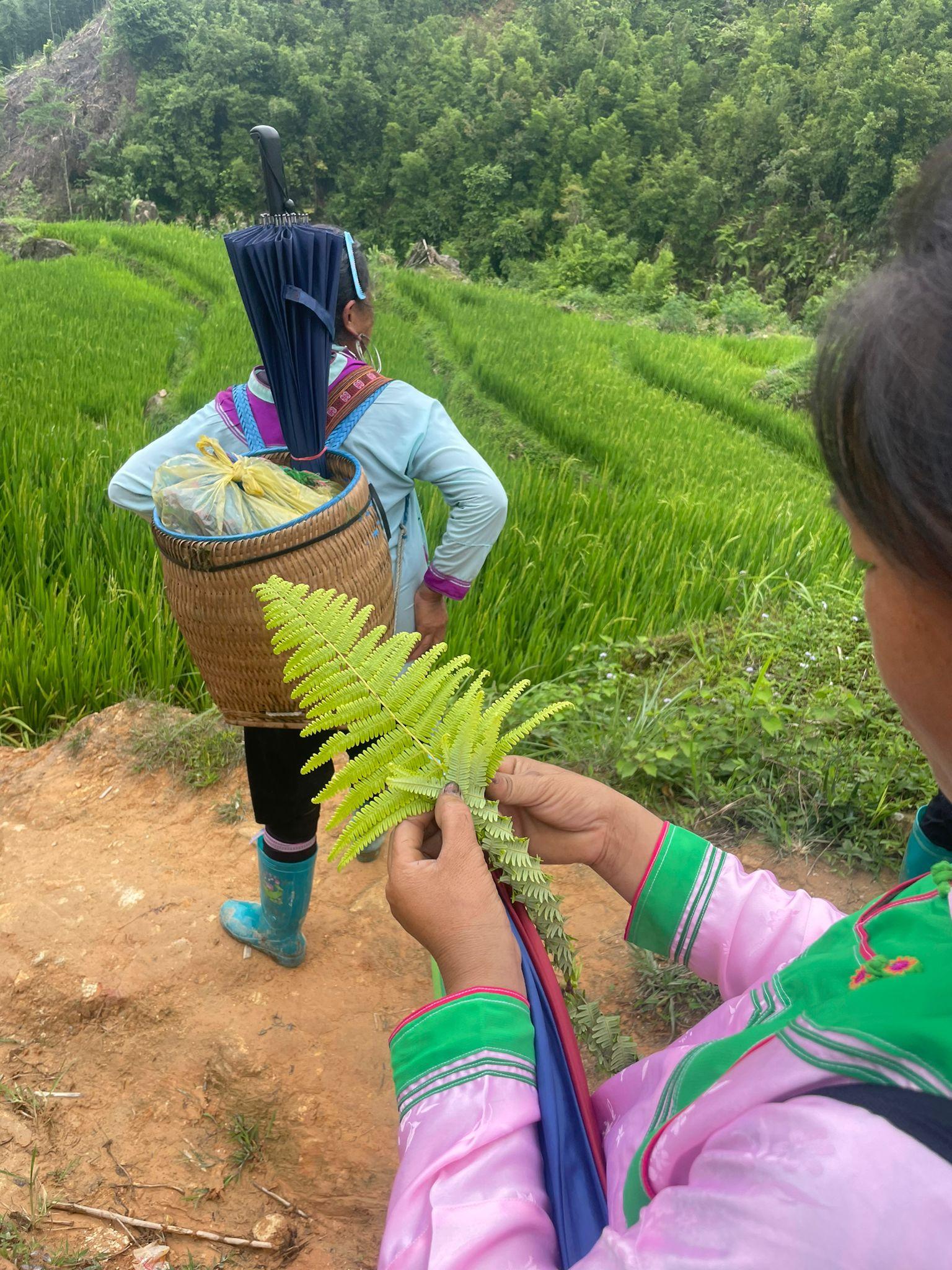
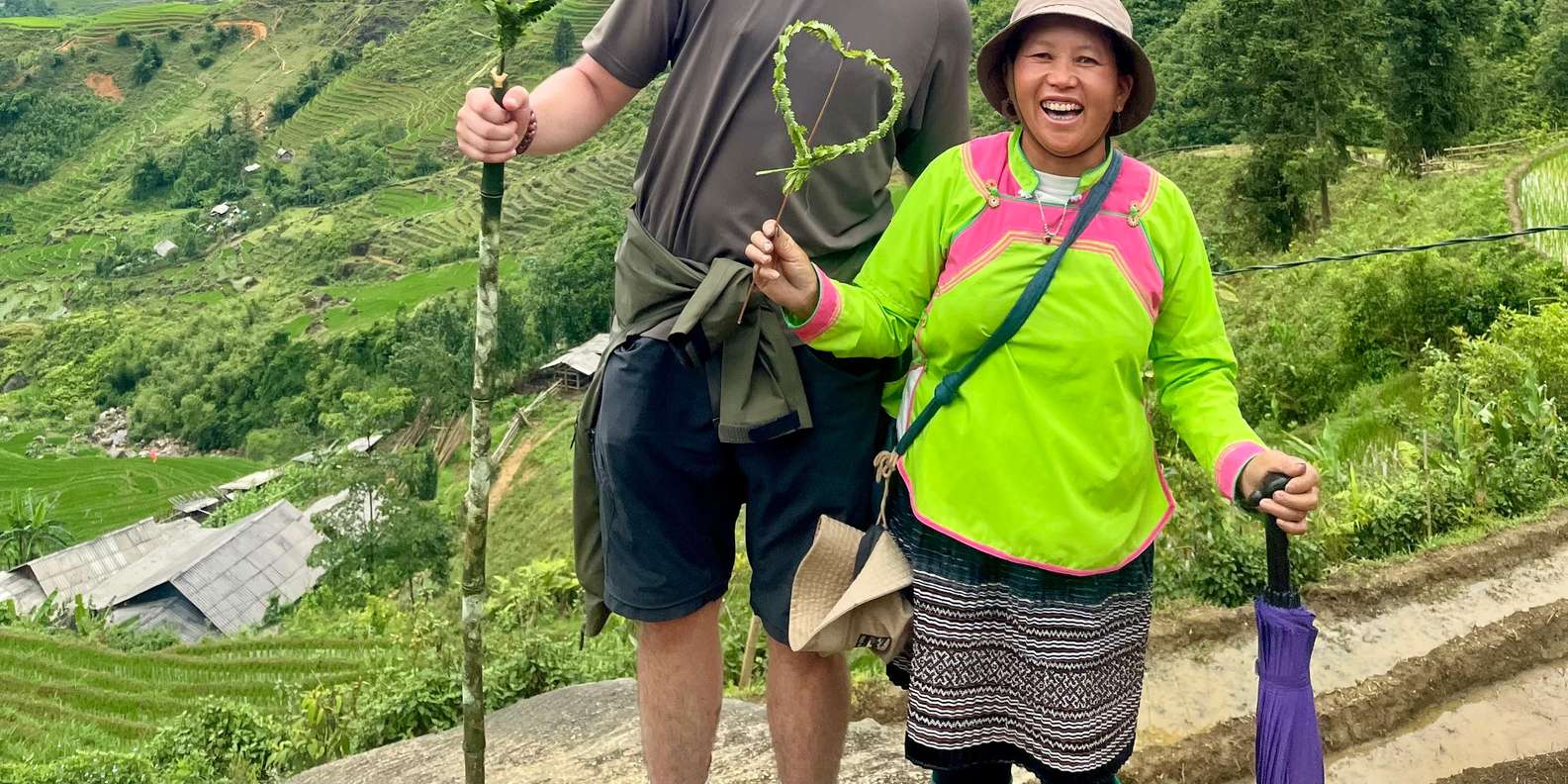
The trail threads through working communities, not a stage set. The largest group around Sapa is the Black Hmong, with villages including Lao Chai and Cat Cat; the Giáy are concentrated lower in the valley around Ta Van, where many homestays are; the Red Dao are associated with Ta Phin and villages such as Giang Ta Chai on the day-two route; and the Tày farm the lower valleys. These are living, farming households — many residents, especially Hmong and Dao women, work as guides or sell hand-woven textiles, and a respectful visit means asking before photographing people and following your guide’s lead on local customs. A good operator frames the day as an exchange, not a spectacle.
What the trek is actually like
The standard route runs from above the valley down toward Lao Chai and Ta Van, often around 8–10 km on day one (roughly 3.5–4 hours of walking) and a shorter stretch on day two. The difficulty is moderate: manageable for anyone reasonably fit, but the dirt paths get genuinely muddy and slippery after rain, which is when most slips happen. Pack broken-in shoes with grip, layers and a warm top (the weather swings fast), a rain jacket or poncho, sun protection, and cash in Vietnamese đồng, since card payment in the villages is unreliable.
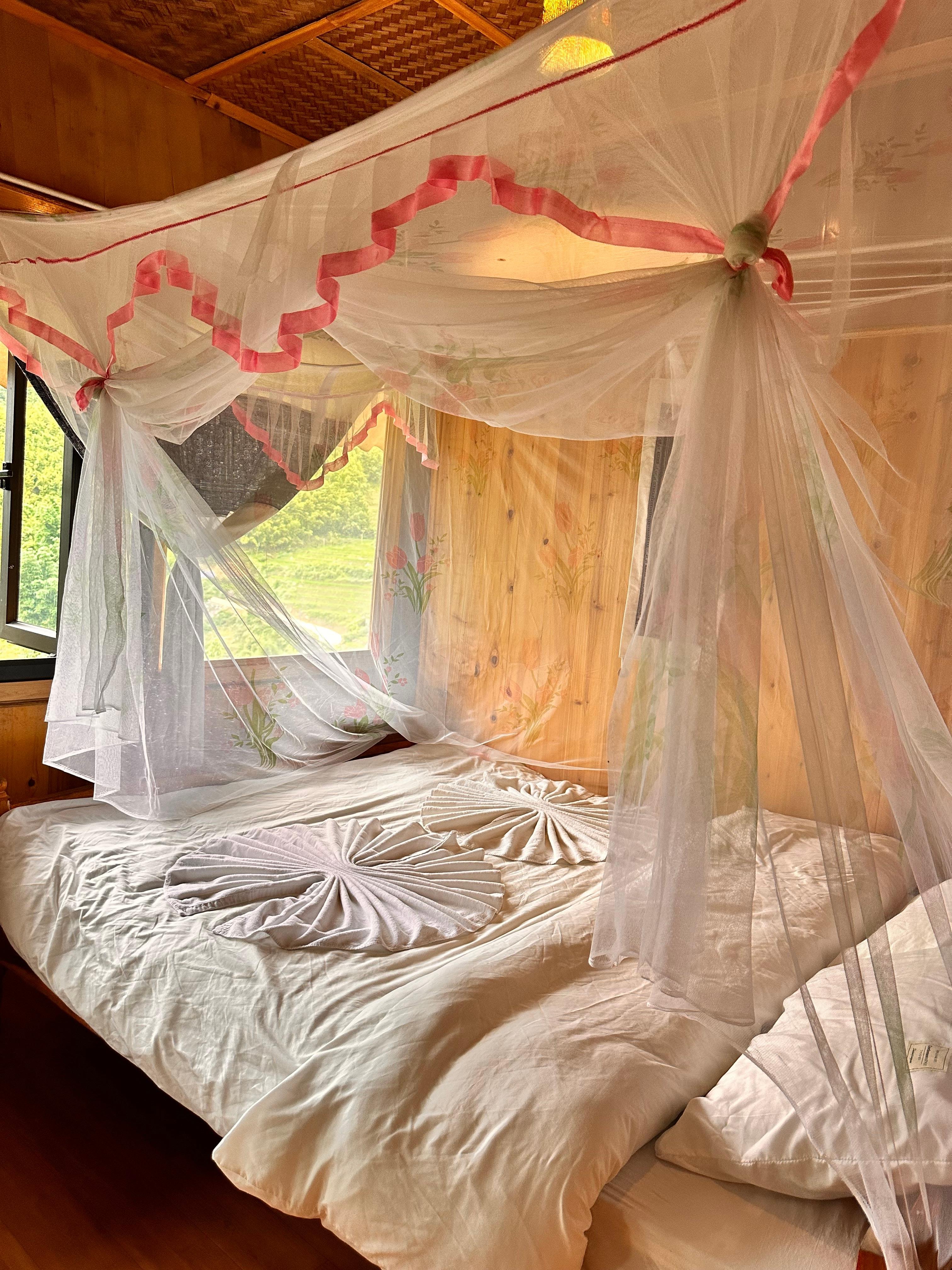
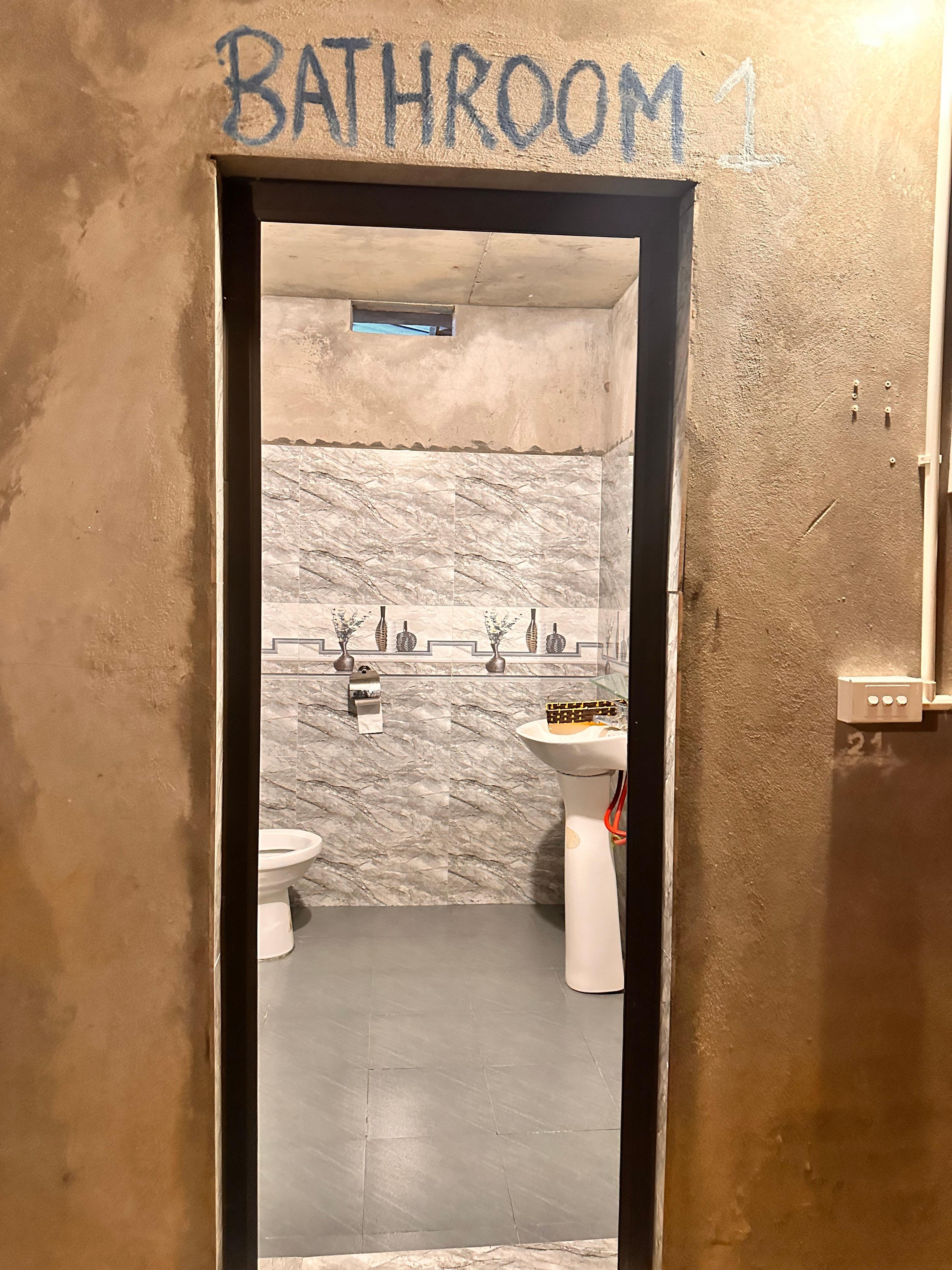
The homestay night is the heart of the trip and is deliberately simple — a shared space in a Hmong or Giáy family home, usually with mattresses, blankets and mosquito nets, often with a hot shower, and a home-cooked dinner and breakfast. Expect basic, communal, and warm rather than hotel comforts.
Adding Fansipan
Some two-day packages pair the valley with Fansipan, at 3,143 metres the highest peak in Vietnam and all of Indochina — the “Roof of Indochina.” The Sun World Fansipan Legend cable car climbs from near Sapa toward the summit in about 15 minutes (it holds two Guinness records for length and elevation gain), with roughly 600 steps or a short funicular from the top station to the actual peak. Round-trip adult tickets run around 850,000 VND (about US$35), and a little more on weekends and holidays (as of June 2026) — prices change, so confirm on the official Sun World site. You can still trek to the summit the old way, but as of 2026 that requires a licensed guide and a national-park permit; independent summit hiking is no longer allowed.
Getting there from Hanoi
Sapa town has no train station of its own. The traditional approach is the overnight sleeper train from Hanoi to Lào Cai (about 8 hours), then a roughly one-hour, 35-km transfer by road up to Sapa. The more popular option now is a limousine van or express bus straight from Hanoi, about 5.5–6 hours on the Nội Bài–Lào Cai expressway. Many tours sold as “2 days from Hanoi” simply bundle that overnight or daytime transfer into the package, so you book once; others assume you are already in Sapa and meet you in town in the morning. Check which kind you are booking — it is the single most common point of confusion.
Booking honestly
This site is an independent booking guide, not a tour operator, and the trips here are run by independent local companies in Sapa — there is no single “official” Sapa trek. The featured two-day trek is rated 4.9/5 across more than 1,096 verified guest reviews, departs from Sapa town, and includes the local guide, village entry fees, meals, and the homestay night, with free cancellation up to 24 hours before. Compare it against the other options below — a relaxed homestay walk, a higher-mileage three-day trek, a from-Hanoi package, or a Fansipan combo — and pick the one that matches your fitness, your schedule, and the season you are travelling in.
Guest Reviews
What Our Trekkers Say
5/5
from 1096 verified guests
"Dinh and her family are beyond amazing. From the beginning they had such a fabulous and welcoming aura which enabled everyone in the group to feel relaxed and excited. Dinh set this company up herself and you can clearly feel the love she has for it by the effort given to us. We were welcomed into her beautiful home and we got to meet the beautiful children she sponsors from the money she makes here. I feel so blessed to of met her, her family too and had such a fabulous experience, thank you! 🤍"
"Truely amazing, the guide was so nice and the accomodation was very good as well"
"One of the best things I did on 4 weeks in Vietnam. Doh, the guide and her family were the funniest and most joyous people ever. The trek was so good, interesting and varied. So much knowledge and an absolute delight. Not too strenuous in the heat. Home stay and food were great and so good they give back to the community. Can't fault. Highly recommend booking with Dinh and family. Absolutely the best"
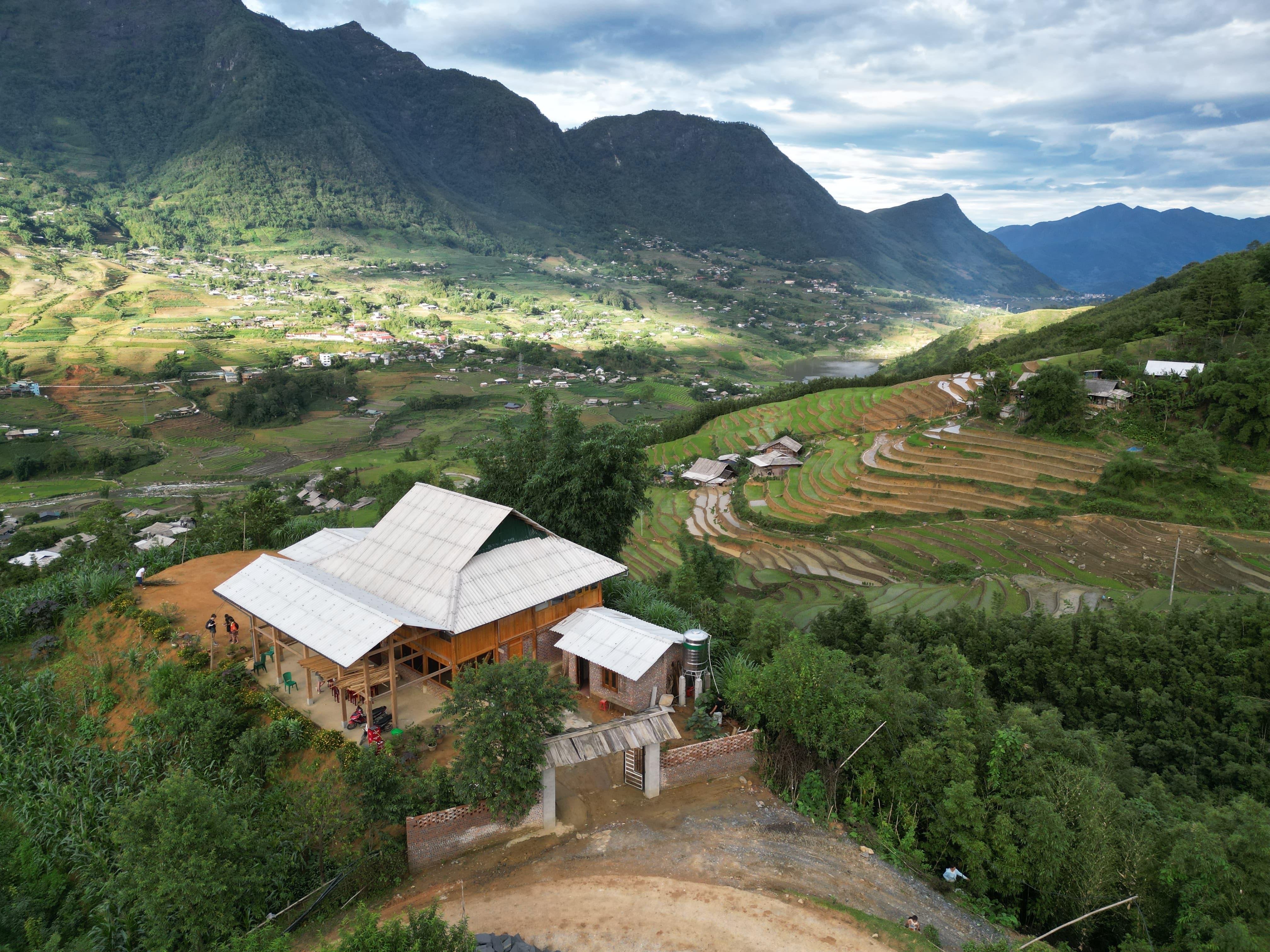
"The 2 day 1 night trekking tour with Dinh was fantastic. Our guide Cha Cha was absolutely amazing, telling us all about the local Hmong people and culture along the way. The home stay was set in a beautiful location with comfortable accommodations and a delicious meal served family style. Dinh’s story is inspiring, and I am so glad I chose her tour. I would highly recommend Dinh’s tour if you are in Sapa."

Read all 1096 verified reviews
See All ReviewsTrek the Muong Hoa Valley — Two Days, One Homestay Night
Join 1,096+ guests who rated this Sapa trek 4.9/5. Two days of guided trekking through the rice terraces, an overnight village homestay, and home-cooked meals — all included. Free cancellation. Starting from $45 per person.
Check Availability & BookCan't Make These Dates?
Browse More Available Options
Find a tour that fits your schedule — all with instant confirmation and free cancellation.
Frequently Asked Questions About the Sapa 2-Day Tour
Everything you need to know before booking your Muong Hoa Valley trek and homestay.
The featured two-day, one-night trek includes an English-speaking local guide for both days, village entry fees, two lunches, one dinner and one breakfast, and the overnight homestay in the valley. Transport back to Sapa town at the end is included. Personal travel insurance, extra drinks, and tips are not included. From $45 per person, with free cancellation up to 24 hours before.
Yes — the classic format is two days with one night in a village homestay. You trek the longer first-day section down into the Muong Hoa Valley, sleep overnight with a host family, and walk a shorter stretch on the second morning before returning to Sapa town.
On the standard 2-day trek you stay in a family homestay in the valley, typically a Hmong or Giáy household around Ta Van. It is a simple, shared setup — mattresses, blankets and mosquito nets, often with a hot shower — with a home-cooked dinner and breakfast. Expect basic and communal rather than hotel comforts. Some packages offer a private room or bungalow upgrade.
The standard route is moderate — roughly 8–10 km on day one (about 3.5–4 hours of walking) and a shorter stretch on day two. It suits anyone reasonably fit, but the dirt paths get muddy and slippery after rain, which makes them noticeably harder. It is not ideal for travelers with mobility issues, especially in wet weather.
Bring broken-in shoes or trekking shoes with good grip (the trails get slick), warm layers and a rain jacket or poncho since the weather changes fast, sun protection, insect repellent, and cash in Vietnamese đồng, as card payment in the villages is unreliable. Day packs are light — your main luggage can usually be left in Sapa town.
September and October are generally the best — dry, clear, and the golden harvest season when the rice terraces are at their most photogenic (as of June 2026). Late April to early June is when the terraces are flooded and mirror-like for transplanting. Summer is green but wet, and winter (December–February) is cold and often foggy, occasionally near freezing.
It depends on the package. The featured trek departs from Sapa town in the morning, so it assumes you are already there. Other options sold as '2 days from Hanoi' bundle the overnight or daytime transfer from Hanoi into the price. Always check which type you are booking — it is the most common point of confusion.
Sapa town has no train station of its own. The traditional route is the overnight sleeper train from Hanoi to Lào Cai (about 8 hours), then a roughly one-hour, 35-km road transfer up to Sapa. The more popular option now is a limousine van or express bus straight from Hanoi, about 5.5–6 hours via the Nội Bài–Lào Cai expressway.
The standard valley trek does not — it focuses on the Muong Hoa terraces and villages. Some two-day packages instead pair Sapa with the Sun World Fansipan Legend cable car up toward the 3,143 m summit, the 'Roof of Indochina.' If Fansipan is a priority, choose one of the Fansipan-combo options; these trade trekking time for the cable-car visit.
The classic route runs through the Muong Hoa Valley toward Lao Chai and Ta Van, often returning via Giang Ta Chai on day two. Lao Chai is a Black Hmong village, Ta Van is a Giáy village where many homestays are, and Giang Ta Chai is associated with the Red Dao. Exact villages vary slightly by operator and conditions.
For most travelers, yes — two days is long enough to walk the most scenic terraced sections and spend a night with a host family, without committing to a longer multi-day trek. The featured trek is rated 4.9/5 across more than 1,096 verified guest reviews. A single day feels rushed if the terraces are your main reason for coming.
There is no single 'official' Sapa trek. The trips here are run by independent local trekking companies based in Sapa, and we are a booking guide rather than the operator. Trust comes from verified reviews, small-group local guides, and clearly listed inclusions — not from any official status.
The featured trek offers free cancellation up to 24 hours before the start time, so you can book ahead and adjust if the weather or your schedule changes. Cancellation terms vary by operator, so check the policy shown on each specific tour before you book.
Still have questions? Email us at info@sapatwodaytour.com